

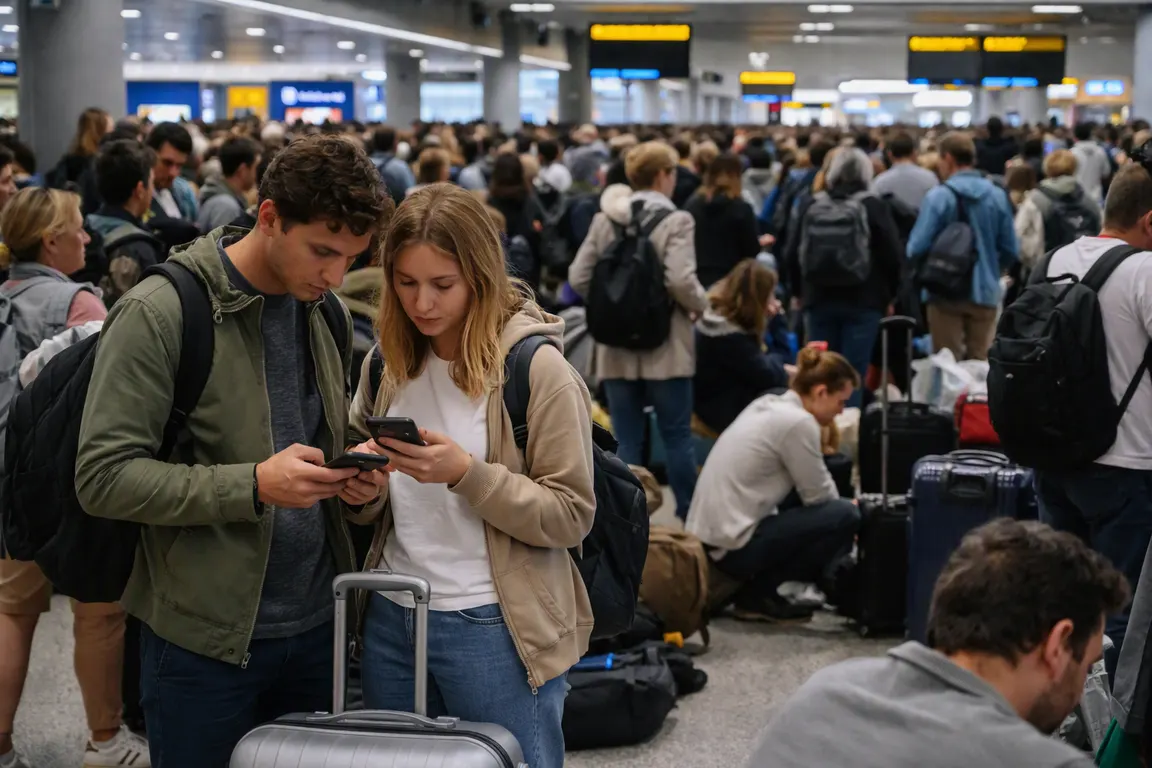
A UK air traffic glitch in the National Air Traffic Services (NATS) system caused a three‑hour outage on Tuesday afternoon, leading to the cancellation of more than 1,900 flights at Heathrow, Manchester, Birmingham and all London airports.
The outage, which persisted into Wednesday, revived concerns about the resilience of the United Kingdom’s air‑traffic infrastructure. Hundreds of thousands of passengers were stranded, airlines scrambled to re‑book connections and airports incurred overtime costs and lost ancillary revenue.
NATS chief executive Martin Rolfe told reporters the problem was a technical issue and ruled out a cyber‑attack. The exact nature of the fault has not been disclosed. The system was back online around 5 p.m., but by the following morning the total number of cancelled flights had risen as airlines adjusted schedules and downstream airports abroad felt knock‑on effects.
Transport Secretary Mark Harper summoned Rolfe for a briefing on Wednesday after opposition MPs and consumer groups called for the chief’s resignation. Harper said the government would review “the robustness of our national air‑traffic control system” and consider whether additional funding or regulatory reforms are needed. No specific policy changes have been announced yet, but the hearing signals a willingness to hold NATS accountable.
Airports set up assistance desks, offered hotel vouchers and arranged alternative transport, but many travellers reported difficulty obtaining compensation. Under UK consumer law, passengers are entitled to refunds or re‑routing, and airlines have begun processing claims, though the volume is expected to strain customer‑service teams for weeks.
Airlines also face immediate financial pressure. The sudden loss of capacity translates into revenue shortfalls, while crew‑scheduling disruptions will ripple through subsequent days. Heathrow’s retail and parking revenues dipped sharply, and the broader economy feels the impact through missed business meetings, delayed cargo shipments and reduced tourism spending.
This is the third major NATS‑related stoppage in just over three years, following incidents in 2021 and 2022 that prompted temporary reviews but no lasting reforms. Experts note that the centralized nature of the UK’s air‑traffic management creates a single point of failure, and they call for a systematic risk assessment and possible diversification of control pathways.
A government report on the outage is expected later this month and will likely shape any regulatory or funding decisions. Until then, passengers and airlines must deal with the aftereffects of one of the most disruptive days in recent UK aviation history.