

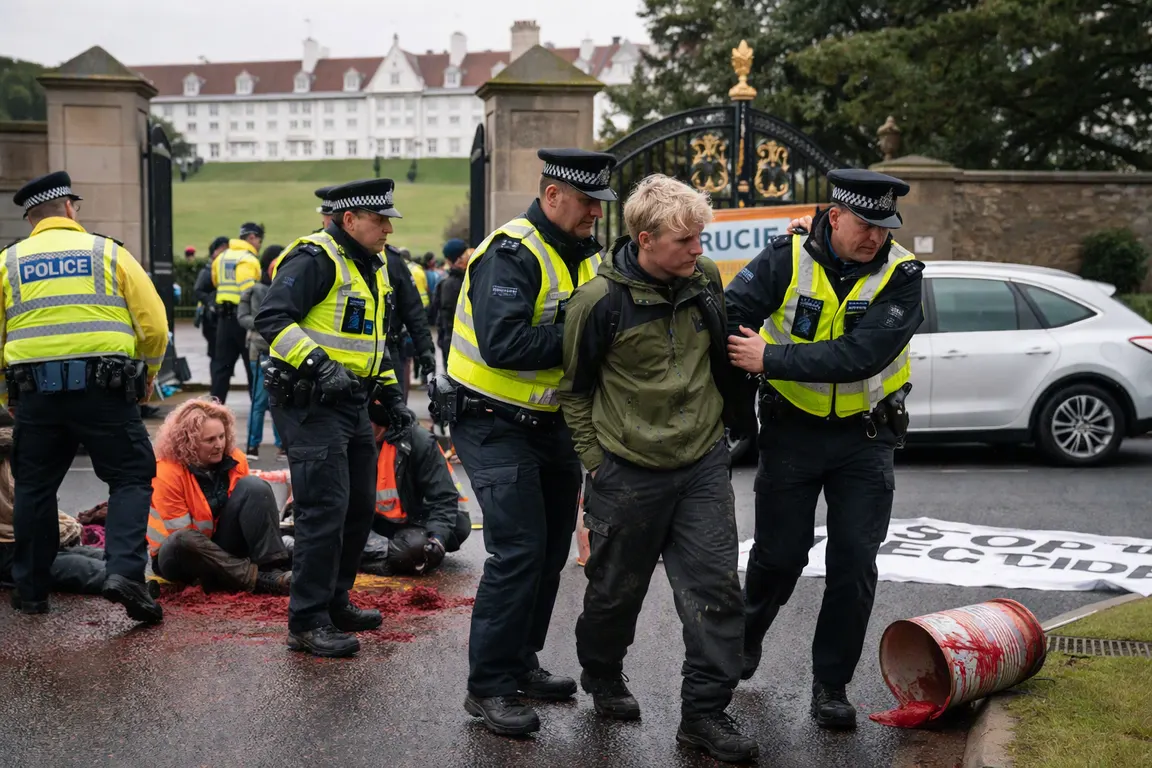
Seven people have been charged in connection with damage to former President Donald Trump’s Turnberry golf resort in Scotland, with prosecutors attaching a "terrorist connection" allegation that could increase any custodial sentences. This Turnberry golf protest terrorism case tests whether politically motivated property damage can be treated as terrorism‑related under Scottish law.
The indictment, filed in 2025, could set a precedent for future prosecutions, shape police responses to protests at high‑profile sites and affect the resort’s economic outlook. In early 2025 activists painted the slogan "Gaza is not for sale" on a green and dug a series of holes across the course. Police traced the activity to a group of seven individuals whose identities have not been released.
The Crown Office charged them with criminal damage and, unusually, added a provision that the acts were linked to a "terrorist connection." The legal basis for that label has not been disclosed, and there is no evidence that the defendants have ties to extremist organisations. Under Scotland’s Terrorism Act, a "terrorist connection" can be attached to offences deemed to further a political, religious or ideological aim through intimidation or coercion.
Prosecutors argue the Turnberry protest was intended to draw attention to the Israeli‑Palestinian conflict and to pressure a high‑profile property owner. Defence lawyers say the actions were a form of civil disobedience that stopped short of violence and warn the terrorism charge may be an over‑reach.
If convicted, the defendants could face sentences that exceed the typical penalties for vandalism, which in Scotland range from fines to a few months’ imprisonment. The terrorism‑related provisions can add several years to a custodial term, reflecting the law’s emphasis on deterring politically motivated attacks on infrastructure.
Turnberry is a major employer in South Ayrshire and a key driver of regional tourism. Any prolonged disruption or heightened security could reduce visitor numbers, strain local businesses and raise operational costs for the golf industry. Industry groups have warned the case may prompt clubs to invest in more extensive surveillance and security personnel, potentially altering the traditionally open‑access culture of golf courses.
For protest movements, the indictment raises a strategic dilemma. Activists targeting high‑visibility assets now have to weigh the risk of terrorism‑related charges against the perceived impact of their actions. Legal scholars note that a ruling confirming the terrorism label could broaden what law‑enforcement agencies deem a "terrorist act," potentially chilling certain forms of civil disobedience.
The court has not set a trial date, but proceedings are expected later this year. Until a verdict is rendered, the evidentiary basis for the "terrorist connection" remains opaque, leaving observers to question how prosecutors will substantiate the claim. The case will be watched closely by legal experts, human‑rights organisations and the tourism sector, all of which have a stake in how the balance between protest rights and national‑security legislation is calibrated.