

Turkey and Pakistan Deploy Troops to Saudi Arabia
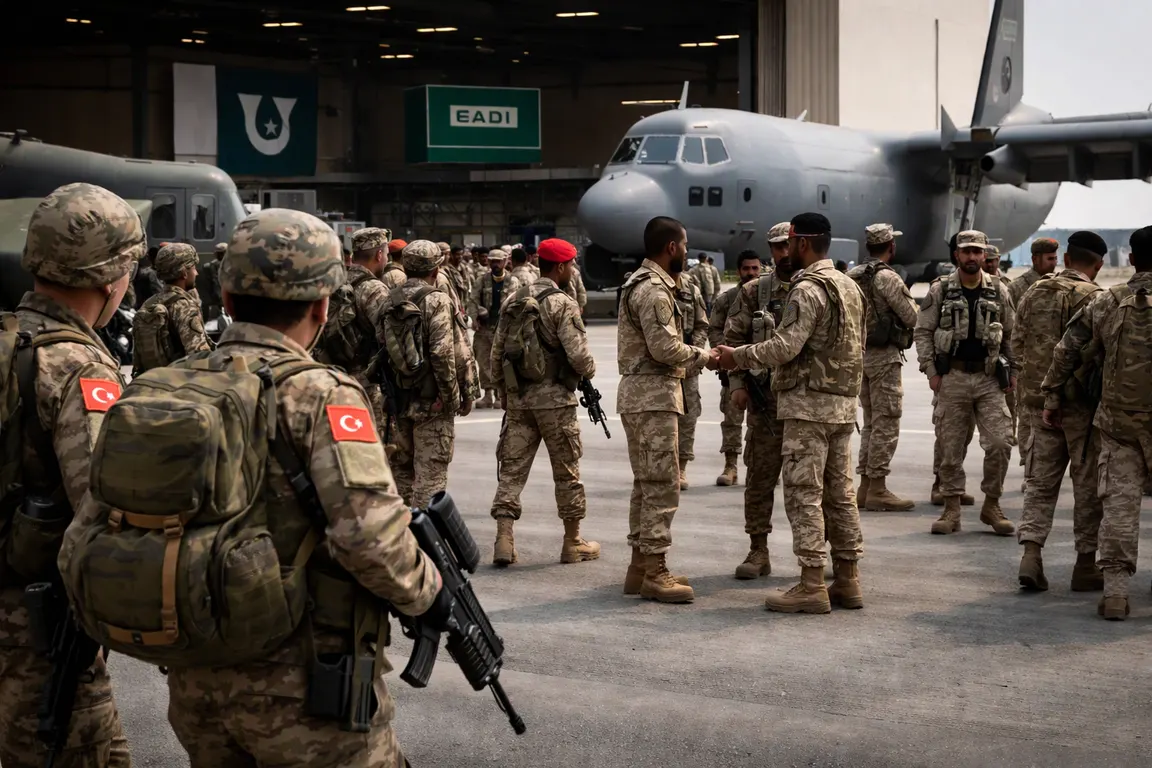
Saudi Arabia secured pledges on Tuesday from Turkey, Pakistan and Saudi Arabia to send rapid‑deployment troops under the August mutual‑defence pact, as Houthi militants claim fresh strikes on Riyadh’s main airport and an Aramco refinery.
The commitments raise the prospect of a broader, extra‑regional front in the Yemen‑Saudi conflict and increase the risk to Saudi oil infrastructure and global energy markets. The United Nations has warned of a “sharp escalation,” and Aramco executives say world oil stocks are already “scarily thin.”
In emergency talks in Riyadh, Turkish and Pakistani officials said they would dispatch rapid‑deployment units to Saudi territory, invoking the August 2023 defence agreement that obliges signatories to assist each other if attacked. Neither side disclosed the size, composition or exact timetable of the forces, but both described the deployment as “immediate” and “tailored to protect critical energy facilities.”
The pledge follows a series of Houthi attacks that the group says hit King Khalid International Airport, an Aramco refinery on the Red Sea coast and other undisclosed sites on Monday. Saudi coalition spokespeople have not confirmed the airport or refinery strikes, instead highlighting recent counter‑operations that destroyed Houthi targets along the Red Sea shoreline and hit weapons depots and naval mines in Hodeida. Independent verification of the claimed strikes is still pending.
The attacks have already caused tangible disruptions. An assault on the East‑West pipeline – the main conduit moving crude from the Gulf to the Red Sea – forced a temporary shutdown of pumping operations, threatening a bottleneck in the kingdom’s export capacity. Aramco chief executive Amin Nasser warned that any prolonged interruption could tighten global supplies and push oil prices higher, a concern echoed by market analysts tracking the war’s spill‑over effects.
On the ground in Yemen, pro‑government forces announced they had cut off the sole supply route to the Houthi‑held port city of Mokha, and some reports suggest the city may have been recaptured. Both Al Jazeera and the Manila Times noted the development, but no official confirmation has emerged, leaving the humanitarian situation in the contested area uncertain.
The rapid‑deployment agreement marks the first time Turkey and Pakistan have pledged ground forces to defend Saudi soil against the Houthi campaign. Both countries have previously supplied arms and advisory personnel to the Saudi‑led coalition, but the new arrangement could broaden the conflict’s geographic scope and introduce additional capabilities such as air‑defence systems and special‑operations units, which have not been publicly detailed.
For Saudi civilians, the prospect of attacks on major transport hubs and oil facilities heightens daily security concerns. For regional markets, any further disruption to the East‑West pipeline or to Aramco’s refining network could tighten global oil supplies, reinforcing price volatility that already reflects broader Middle‑East tensions.
The next steps remain opaque. Saudi officials said the deployment will be coordinated with Riyadh’s existing defence infrastructure, while Turkish and Pakistani ministries indicated forces could be on the ground within weeks. The United Nations will continue to monitor the situation, and the UN secretary‑general’s call for restraint underscores the diplomatic pressure on all parties. Whether the troop commitment deters further Houthi strikes or draws Turkey and Pakistan deeper into the conflict will shape the security calculus of the Gulf and the flow of oil through the Red Sea in the weeks ahead.