

Trump to Address UN General Assembly on Iran and Ukraine
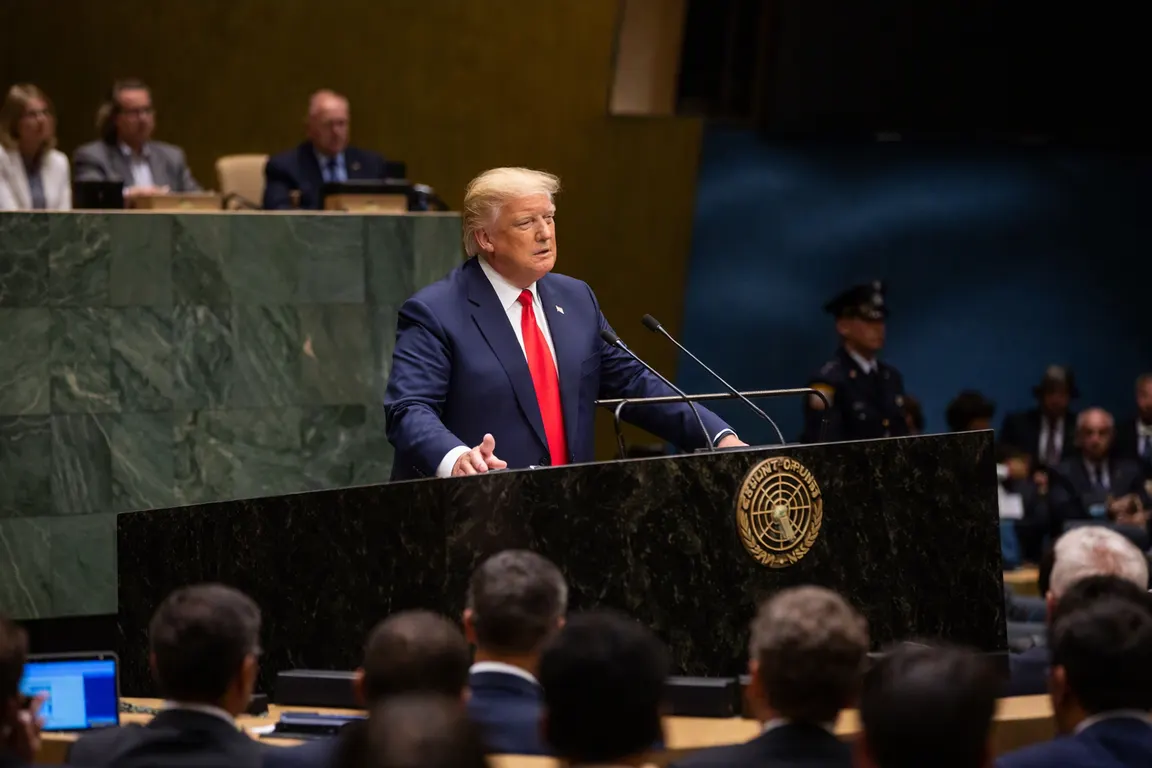
President Donald Trump will deliver a Trump UN General Assembly address on Tuesday, marking the first major public forum where he is expected to outline the United States' stance on the conflicts in Iran and Ukraine.
The timing coincides with heightened tension in both regions and a surge of diplomatic activity, turning the ceremony into a potential policy briefing rather than a routine greeting. Allies will be watching for clues on sanctions, military aid and oil‑supply strategies that could affect coordination, market expectations and the diplomatic calculus of leaders meeting Trump at the UN.
NBC News confirmed the address is scheduled for Tuesday during the UNGA's September 19‑25 session. In the days leading up to the event, Trump posted a series of social‑media messages covering Washington architecture, artificial‑intelligence policy and a self‑curated list of "25 top achievements," a rollout described by The Guardian as unusually eclectic. On Monday, he met French President Emmanuel Macron at Trump Tower to discuss the wars in Iran and Ukraine, according to the New York Post.
The Independent characterises the broader context as "turbulent," pointing to a "rumbling" war involving Iran and the unabated conflict in Ukraine. The BBC notes that a diverse group of world leaders – including representatives from NATO, the Middle East and the Global South – are slated to engage with Trump at the UN, though it does not name them or detail policy content.
Presidents have traditionally used the UNGA podium to set foreign‑policy priorities. In the current environment, remarks carry added weight because allies and adversaries will be watching for indications of U.S. willingness to intervene, expand sanctions on Iran or increase military assistance to Ukraine. Energy markets are also sensitive; a signal that the United States might curb Iranian oil exports or bolster Ukraine's energy resilience could move crude prices and gas futures.
Defense contractors and regional economies could feel ripple effects from any shift in procurement or aid. A clearer U.S. stance might accelerate contracts for weapons systems, while ambiguity could stall spending decisions in allied capitals. Diplomatic teams from countries expected to meet Trump are likely to adjust bilateral talks based on perceived priorities, whether that means pressing for stronger sanctions, seeking security guarantees or negotiating trade arrangements linked to energy stability.
Analysts will monitor the transcript for concrete language on Iran's regional activities, the scope of support for Ukraine's defense and reconstruction, and any reference to energy‑security measures. Trump's recent social‑media messaging, which highlighted domestic achievements and technology policy, may hint at a broader narrative that blends national pride with a call for decisive action abroad.
As the UN session begins, observers will watch market reactions in real time. The speech is expected to shape the agenda of subsequent meetings between Trump and the assembled world leaders, influencing the next steps for sanctions coordination, aid packages and energy‑policy discussions.