

Governor Ron DeSantis declared a state of emergency Tuesday for 25 Florida counties as Tropical Storm Isaias intensified toward hurricane strength. The National Hurricane Center upgraded the system on Oct. 6, noting sustained winds of 40 mph and a forecast that could see it reach Category 2 before making landfall on the northern Gulf Coast later this week.
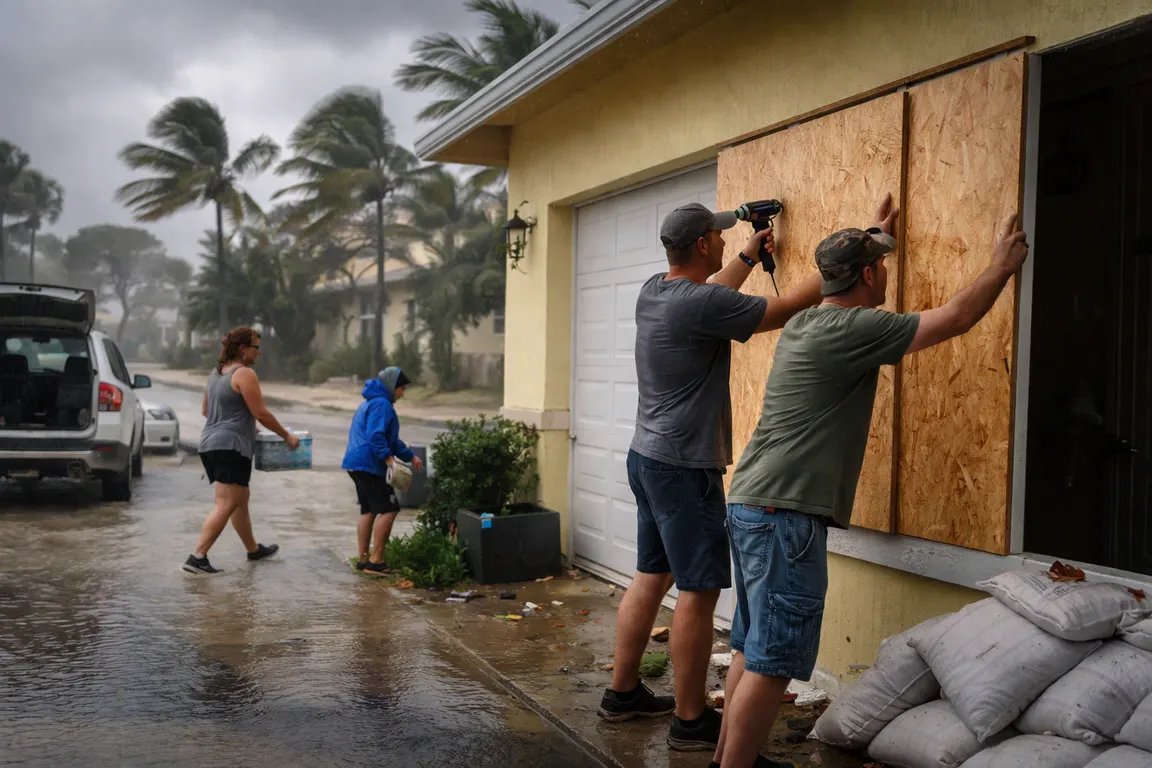
Officials across the Southeast are mobilizing resources and urging residents to ready supplies. Florida’s emergency order authorizes the state agency to stage food, water, generators and sandbags, coordinate shelter operations and deploy road‑clearance crews. Local jurisdictions have begun pre‑positioning sandbags and reviewing evacuation routes for coastal communities. The declaration also enables the state to request federal assistance if conditions worsen.
The NHC projects Isaias to turn north Thursday and approach the Louisiana‑Alabama‑Mississippi‑Florida Panhandle corridor by Friday, with a possible hurricane‑strength wind field by 1 p.m. Friday. Expected rainfall is 3‑6 inches across the northern Gulf Coast, with isolated totals up to 10 inches; the Carolinas and the Tennessee Valley could see 1‑3 inches. The storm is expected to move northeastward, weakening to a tropical depression over the Midwest by early Sunday.
In the energy sector, Chevron announced the evacuation of non‑essential personnel from its Gulf platforms and has begun protective measures at its 369,000‑barrel‑per‑day Pascagoula refinery, which lies within the forecast impact zone. Other operators have reported similar actions, citing the risk of high winds and wave action that could damage offshore equipment and disrupt feedstock deliveries. If several rigs and refineries curtail production, the region could see short‑term fuel shortages and upward pressure on gasoline, diesel and jet‑fuel prices.
Isaias also ends a 32‑year stretch without a September Atlantic hurricane, underscoring the rarity of the event. Timing for a hurricane upgrade remains uncertain. The NHC’s Tuesday advisory suggested a possible hurricane by Friday afternoon, while a later forecast anticipated the transition on Thursday. No official hurricane watches have been issued yet, and evacuation orders in the Gulf states are pending.
Residents of the 25 Florida counties now face decisions about sheltering, securing property and stocking essential items. Emergency managers advise those in low‑lying areas to monitor local alerts, keep a battery‑powered radio and flashlights handy, and store enough water for at least three days. Coastal towns along the Panhandle are urged to review evacuation routes as the threat of storm surge grows with the storm’s projected intensity.
The next critical step will be the issuance of hurricane watches, likely later Wednesday, followed by possible warnings and evacuation orders on Thursday. As Isaias approaches, officials in Florida, Louisiana, Alabama and Mississippi will continue to update the public on preparedness measures, while energy companies finalize contingency plans to mitigate supply disruptions. The unfolding situation will test the capacity of state agencies and Gulf‑Coast energy infrastructure to respond swiftly to a storm that could become the season’s first hurricane.