

A Nashville judge on Tuesday ordered state officials to secure all Tennessee execution evidence from the failed lethal‑injection of death‑row inmate Christa Pike, a step that could determine whether the state attempts a second execution.
Pike, convicted of a 1997 murder, regained consciousness during the execution. Her attorneys described her as “angry and confused” as she asked for water and tried to understand what was happening. Execution staff halted the protocol and medical personnel provided emergency care.
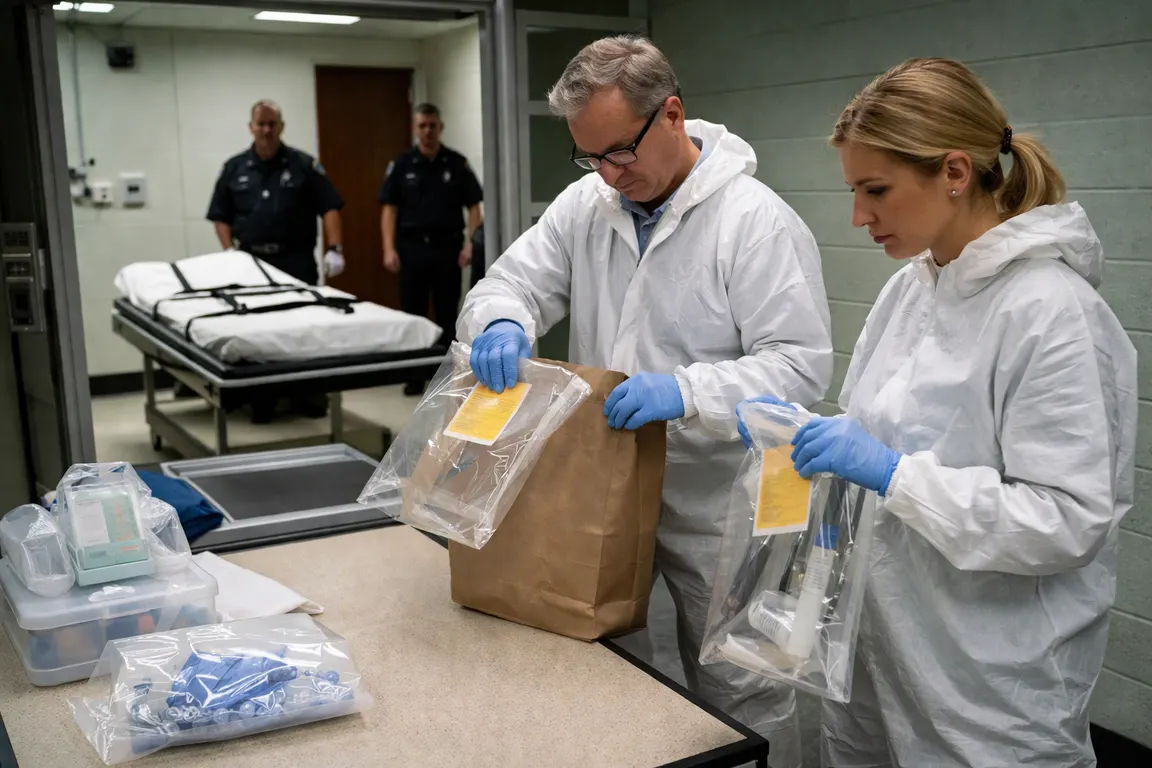
Judge William C. Taylor issued an order requiring the Tennessee Department of Corrections, the state pharmacy and the execution team to preserve every item linked to the procedure. The preservation includes the lethal‑injection drugs, syringes, video recordings and electronic monitoring data that captured Pike’s vital signs. The order does not change the state’s lethal‑injection protocol; it simply prevents disposal or alteration of evidence while courts and attorneys investigate the failure.
Legal analysts say the retained evidence will be crucial in any challenge to a repeat attempt. Without it, prosecutors may struggle to show that a second execution would meet constitutional protections against cruel and unusual punishment. Defense counsel is expected to argue that the botched first attempt violated those protections, making the preserved record central to any appeal.
The incident revives scrutiny of Tennessee’s three‑drug lethal‑injection cocktail, which has faced similar problems in other states. While lawmakers have not introduced new legislation, the judiciary’s involvement highlights procedural gaps that emerge when an execution does not proceed as planned.
The fallout extends beyond Pike. Other death‑row inmates could be affected by any changes to the protocol, and families of victims may face renewed uncertainty about closure. The state could also incur additional costs if new drug formulations or testing procedures are required.
Tennessee officials have not set a timeline for a second execution. The preservation order leaves the question open: will the state schedule a new date, and what legal hurdles must it clear? The next hearing is slated for later this month, when the court will review the retained evidence and consider motions from both the defense and the prosecution. Until then, the fate of Pike’s sentence and the future of Tennessee’s lethal‑injection system remain unresolved.