

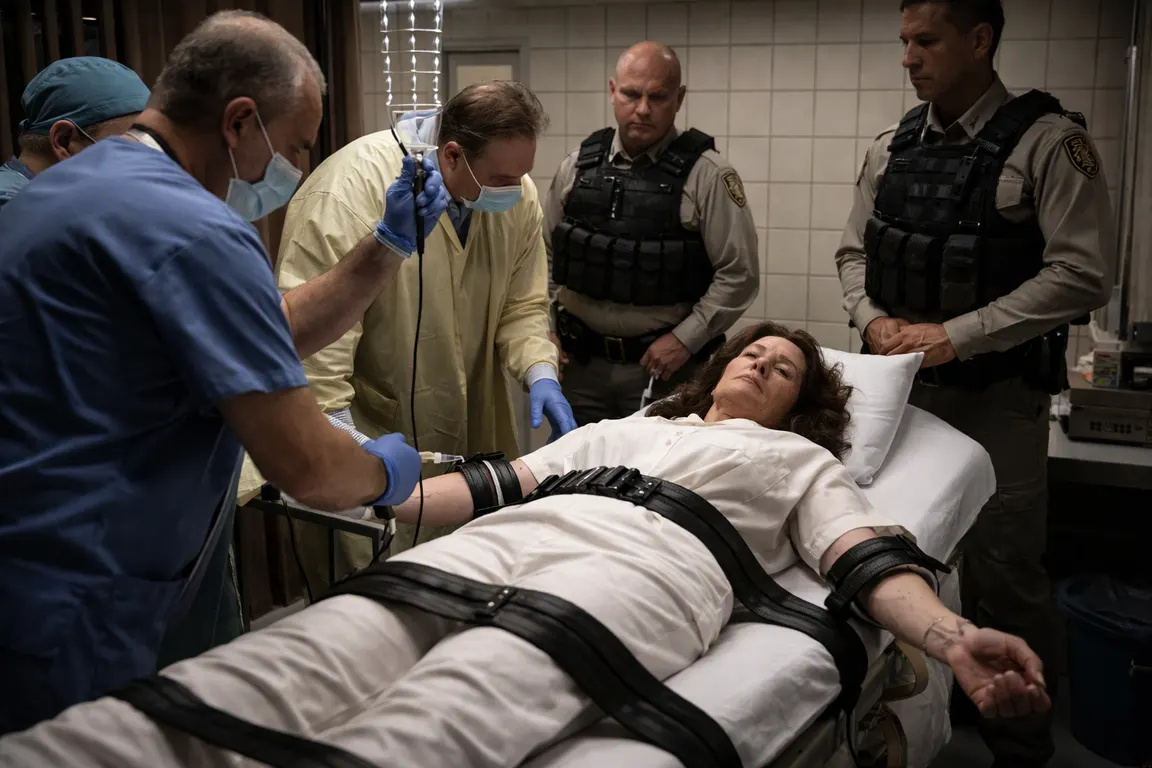
A Tennessee execution botched left 50‑year‑old death‑row inmate Christa Pike alive and conscious after two doses of pentobarbital were administered. State officials began the lethal‑injection with a single dose, then gave a second dose when Pike showed no apparent response. Hospital staff later confirmed she was awake, able to answer questions, and required intensive medical care. Pike’s attorneys praised the medical team for treating her "like a human" and providing "exceptional care."
The incident occurs amid nationwide shortages of execution drugs and growing legal challenges to the secrecy surrounding their procurement. Tennessee, like several other jurisdictions, relies on compounding pharmacies for the barbiturates used in lethal injections. The lack of transparency makes it difficult to verify drug potency and composition, a factor investigators may examine.
Medical professionals operate in a legal gray zone. The Eighth Amendment bars cruel and unusual punishment, but the Constitution does not require a licensed physician to participate in an execution. Pike’s survival highlights the tension between medical ethics, which prohibit physicians from taking part in executions, and the state’s duty to carry out a lawful sentence.
Legal analysts say the failed attempt could open new avenues for challenge. Pike’s defense team is likely to argue that the botched procedure violated her constitutional rights, potentially halting future executions until the protocol is reviewed. Other death‑row inmates in Tennessee and elsewhere could cite the case in appeals, contending that the risk of a similar failure makes the method unconstitutional.
The broader policy implications extend beyond the courtroom. Correctional budgets may need to allocate additional resources for alternative drug supplies or for developing new execution methods. Pharmaceutical companies, wary of reputational damage, have increasingly restricted sales of barbiturates to prisons, prompting states to explore less‑tested compounds.
Victims’ families, who have long awaited closure, now face renewed uncertainty about when, or if, the state will be able to carry out its sentences. The emotional toll on both sides adds a human dimension to the technical and legal debates.
Tennessee officials have not released a detailed explanation of why the two‑dose regimen failed, nor have they announced a pause or review of the execution process. Pike’s attorneys said they will explore all legal remedies, while advocacy groups are calling for a moratorium on the death penalty until the protocol undergoes independent examination.
The case highlights a growing crisis in the United States’ capital‑punishment system: without reliable, transparent drug sources and clear medical guidelines, executions risk becoming unpredictable events that challenge legal standards and erode public confidence.