

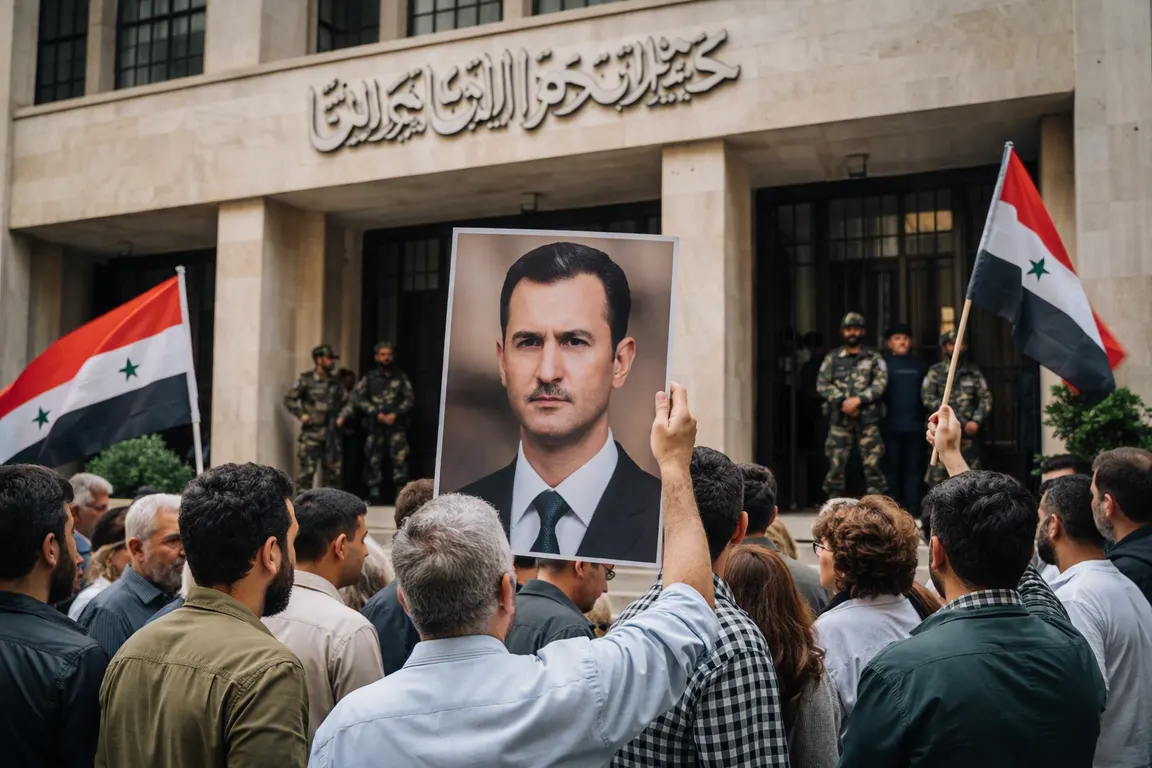
A Syrian court has sentenced former president Bashar al-Assad to death in absentia for war crimes and crimes against humanity. The sentencing marks a significant development in the pursuit of accountability for atrocities committed during Syria's 14-year civil war, which resulted in approximately 500,000 deaths.
The civil war, which lasted from 2011 to 2025, was marked by widespread human rights abuses and violence. Assad, who fled to Russia in December 2024 after being ousted, was tried in absentia. His brother, Maher, was also sentenced to death in absentia. The sentencing is the first under the transitional authorities who began trying figures from the former government this year.
The trial was held in absentia as Assad is currently living in exile in Russia. The people of Syria, particularly those affected by the civil war, are impacted by this sentencing as it marks a step towards accountability for the atrocities committed during the conflict. The sentencing comes after Assad's ousting in December 2024, and the transitional authorities' efforts to try figures from the former government.
The international community will be watching to see how the transitional authorities will proceed with the prosecution of other former government officials. The sentencing of Assad is a significant step towards accountability, but it is only the beginning of a long process of reconciliation and healing for the people of Syria.
The next steps in the pursuit of accountability for those responsible for atrocities during the civil war are unclear. Russia's response to the sentencing of Assad, who is currently living in exile there, is also uncertain. The sentencing raises questions about the future of Syria and its people, and how the country will move forward in the aftermath of the civil war.