

Syrian Prison Commander Sentenced to 60 Years by U.S. Judge
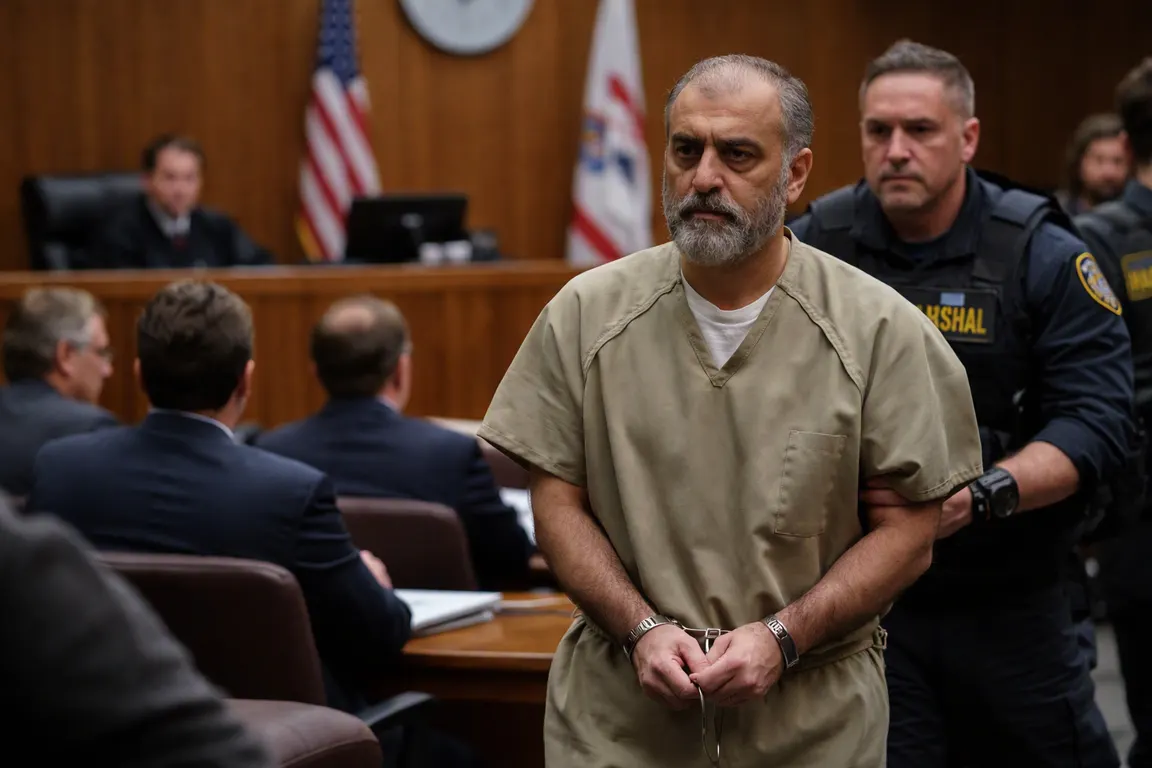
The Syrian prison commander sentencing marks a historic moment as a Los Angeles federal court sentenced Samir Ousman Alsheikh, former commander of the punishment wing at Syria’s Adra prison, to 60 years in prison on May 17, 2025. The case is the first high‑profile conviction of an Assad‑era official by a U.S. court and highlights the expanding reach of American human‑rights enforcement.
Prosecutors argued that Alsheikh’s presence in the United States offered a rare chance to hold a senior torturer accountable, sending a clear signal that refuge in the United States does not guarantee immunity. For victims and their families, the sentence provides formal acknowledgment of the abuse and opens the door to potential restitution, even as the broader fight for justice in Syria continues.
Alsheikh, 74, oversaw the punishment wing of Adra prison from 2005 to 2008, where detainees were beaten, suspended from pipes and subjected to a device known as a “waist‑folding” torture contraption. In March 2024, a federal jury convicted him on six counts, including torture, conspiracy to torture, immigration fraud and false statements. The conviction rested on survivor testimony, forensic evidence linking him to the prison’s command structure, and documents showing he concealed his role while applying for a green card and later U.S. citizenship. He was arrested at Los Angeles International Airport in July 2024 after the Syrian Emergency Task Force, a U.S.-based opposition group, identified him from a 2022 tip provided by a refugee.
During sentencing, U.S. District Judge Hernan D. Vera noted the severity of the crimes and the lasting trauma inflicted on the victims. Prosecutors had sought an 80‑year term; the judge imposed 60 years, citing Alsheikh’s age, reported medical and cognitive conditions, and the defense’s request for a five‑year term coupled with a proposal to deport him to Syria. The judge left the question of deportation to future proceedings, noting that removal would depend on diplomatic and security considerations.
The ruling arrives as Syria grapples with post‑civil‑war instability. Although President Bashar al‑Assad remained in power through December 2024, the country continues to experience sectarian violence and a fragile political environment. The sentence therefore carries diplomatic weight, illustrating how U.S. law can intersect with foreign conflicts.
Legal experts say the case could influence future immigration vetting. Alsheikh entered the United States in 2020, obtained permanent residency and later pursued citizenship without disclosing his involvement in torture. The conviction highlights gaps in the vetting process and may prompt tighter scrutiny of applicants with suspected ties to human‑rights abuses.
A restitution hearing is scheduled, though a timeline has not been confirmed. Victims hope the hearing will result in financial compensation, testing the capacity of U.S. courts to provide tangible redress for crimes committed abroad. The outcome will shape future efforts to hold perpetrators of wartime atrocities accountable.
The sentence sets a precedent for prosecuting other former Syrian officials who have sought refuge in the United States. Authorities will need to balance evidentiary challenges, diplomatic negotiations and defendants’ rights as appeals and possible deportation proceedings move forward.