

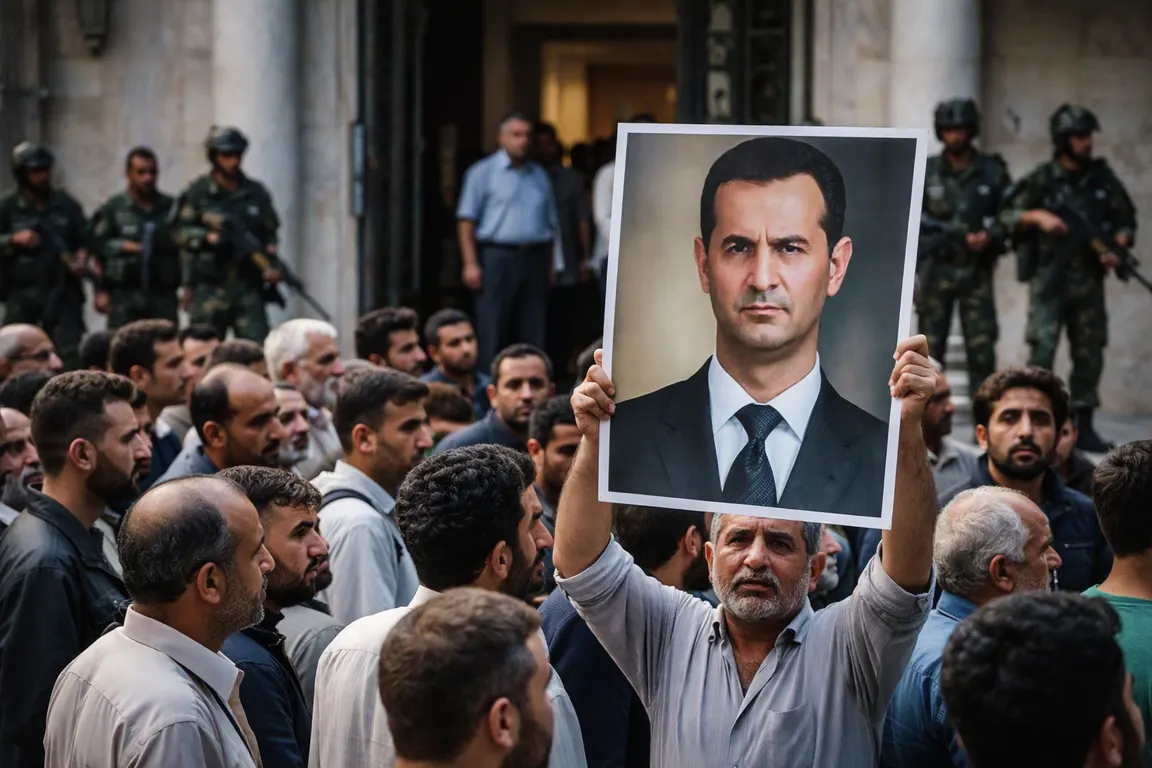
A Syrian court has sentenced former President Bashar al-Assad to death in absentia for crimes against humanity and war crimes. The August 11 sentencing marks a significant development in the country's pursuit of justice and accountability for atrocities committed during its nearly 14-year civil war.
The conflict has resulted in over half a million deaths and millions displaced, with tens of thousands of people disappearing, many into the country's brutal prison system. The sentencing of Assad is a major milestone in Syria's efforts to hold former leaders accountable for these atrocities.
Six former military and security officials, including Assad's brother Maher, were also sentenced to death in absentia. The court proceedings began in April, with Assad and other officials accused of atrocities during the civil war.
The new government in Damascus has been trying to press Moscow to return Assad to Syria. The implications of this sentencing are significant for the Syrian people, who have been seeking justice and accountability, and for the international community, particularly the West and Gulf nations, which have been involved in the conflict.
The chronology of the conflict is marked by key events, including Assad taking the presidency in 2000 after the death of his father Hafez, protests spreading in 2011, and Assad being ousted in December 2024, leading to the establishment of a new government.
The road to justice and accountability in Syria is long and complex, with the sentencing of Assad being a significant step. Many questions remain about what comes next and how the international community will support the new government in its pursuit of justice. The international community's role in supporting this effort will be crucial in the coming months and years.