

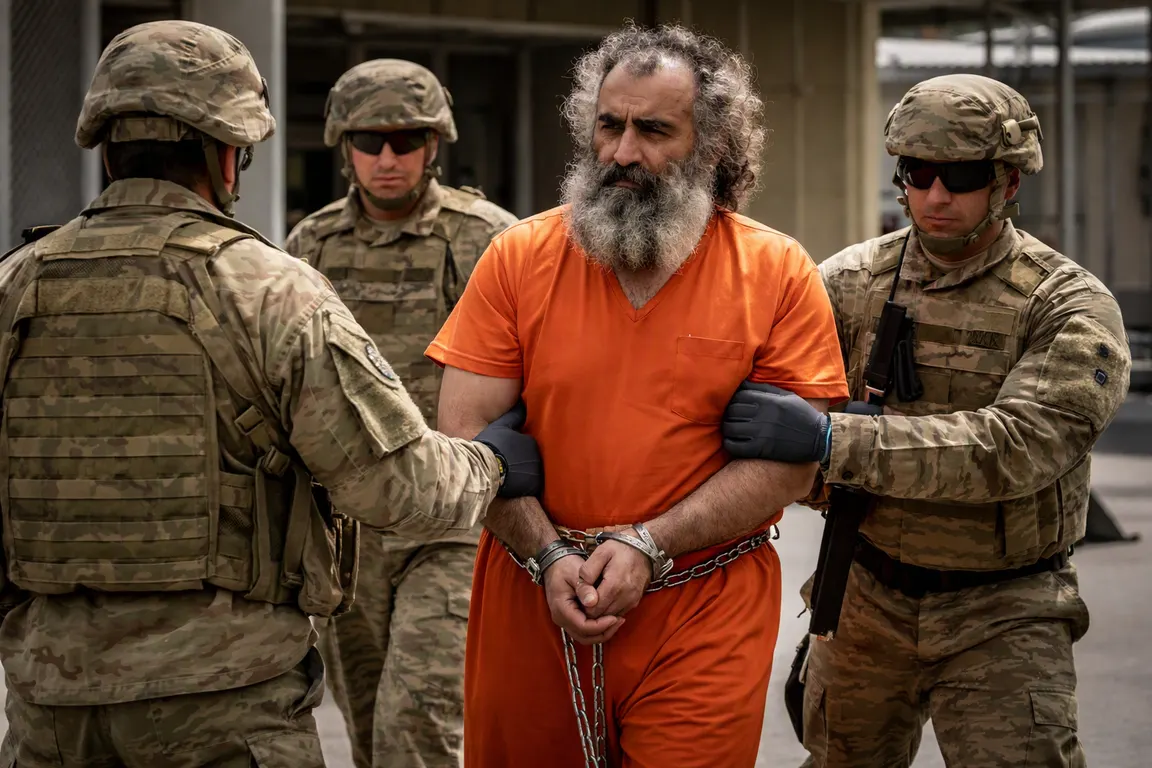
The Supreme Court Guantanamo plea deal was denied on Monday when the high court rejected a petition from Khalid Sheikh Mohammed and two fellow Guantanamo detainees seeking to revive a plea agreement that would have exchanged a guilty plea for life imprisonment without parole. The denial leaves the case in the military‑commission system and preserves the possibility of a death‑penalty trial.
Mohammed, captured in 2003 and held at Guantanamo Bay, is alleged to have coordinated the September 11, 2001 attacks. Prosecutors and the defense had negotiated a deal that would spare him execution in return for a guilty plea and a life‑without‑parole sentence. The agreement never materialized, and the three detainees asked the high court to reinstate it. The Court’s order rejected the request without commenting on the merits of a potential capital trial.
The decision comes amid a two‑decade stalemate over how to prosecute Guantanamo cases. Without a plea bargain, the military commissions must continue to pursue the existing charges against Mohammed and his co‑defendants. No new trial date or sentencing schedule was announced, extending the period of uncertainty for the families of 9/11 victims.
Legal scholars note that the ruling signals the Court’s reluctance to endorse ad‑hoc plea arrangements in military courts, setting a precedent that could limit similar negotiations in future terrorism prosecutions. The move also underscores the broader challenges facing the military‑commission process, which has been criticized for its slow pace and limited transparency.
For policymakers, the decision revives pressure to address the legal backlog at Guantanamo. Congressional proposals to close the detention facility or transfer cases to civilian courts have resurfaced, but the Supreme Court’s order does not compel any specific legislative action. The Department of Defense may need to reassess its strategy for moving forward with the remaining commissions, balancing security concerns with the demand for timely adjudication.
The next procedural step is for the military commissions to proceed with the existing charges. Whether the courts will set a trial date, consider alternative sentencing options, or move toward a verdict remains unclear. The Supreme Court’s refusal to intervene leaves the broader question of how the United States will finally resolve the Guantanamo legal impasse unanswered.