

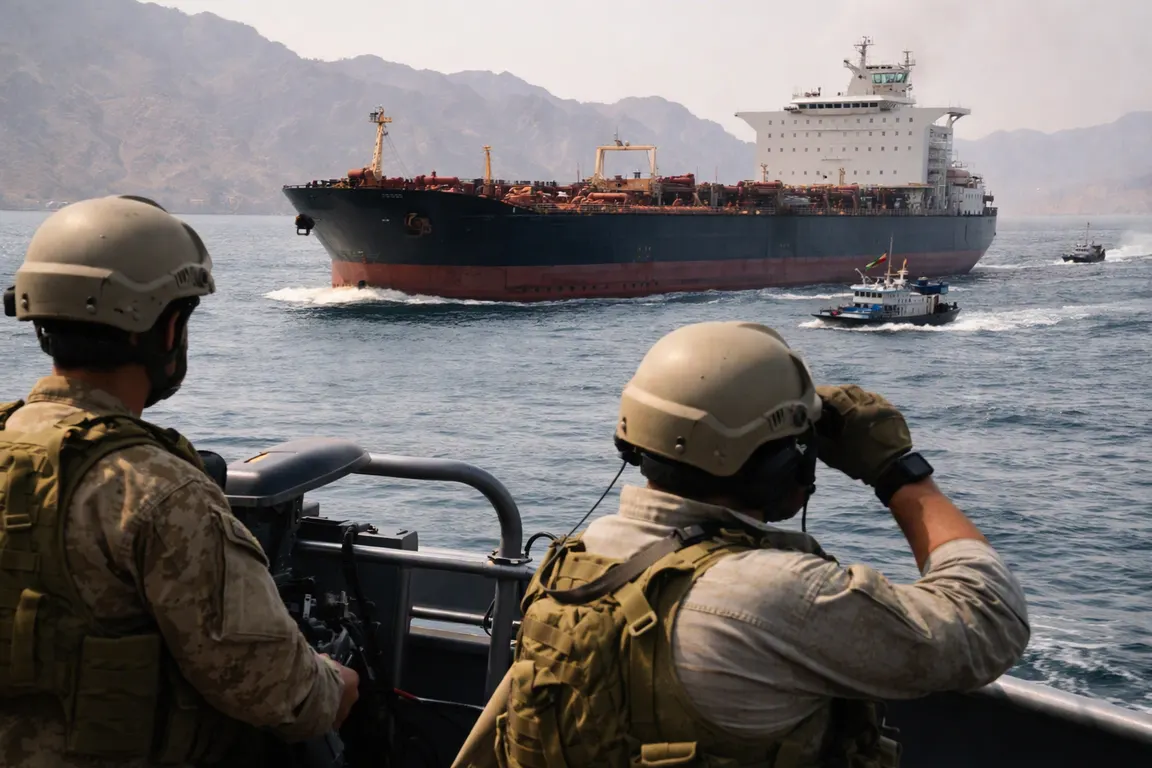
US and Iranian officials are nearing a deal to reopen the Strait of Hormuz, a strategic waterway for oil shipments. The potential agreement could significantly impact global oil prices and shipments, affecting economies and communities worldwide.
The Strait of Hormuz is a critical passage for oil exports, with Iraq exporting over 30 million barrels of crude oil in one month through the passage. Before the Middle East conflict, Iraq produced around 4 million barrels per day and exported an average of 105 million barrels per month.
Talks between the US and Iran are ongoing, with officials expressing optimism about reaching a deal soon. US Secretary of State Marco Rubio stated that he hopes an agreement can be reached 'very shortly.' Treasury Secretary Scott Bessent mentioned the possibility of a deal 'by tomorrow' or 'Tuesday or Wednesday.'
The potential reopening of the Strait of Hormuz has already led to a decrease in oil prices, as markets respond to the possibility of increased oil shipments. However, the impact of the potential reopening on global oil prices and shipments will depend on various factors, including the exact timeline for a potential deal and the details of the talks between the US and Iran.
Economies and communities that rely on oil shipments through the Strait of Hormuz could be significantly affected by the potential reopening. The global energy market is also likely to be influenced by the outcome of the talks. As the situation develops, the next step will be to see if the US and Iran can come to an agreement and how the reopening of the Strait of Hormuz will affect global oil prices and shipments.