

Strait of Hormuz attacks rise as Lavrov visits Tehran
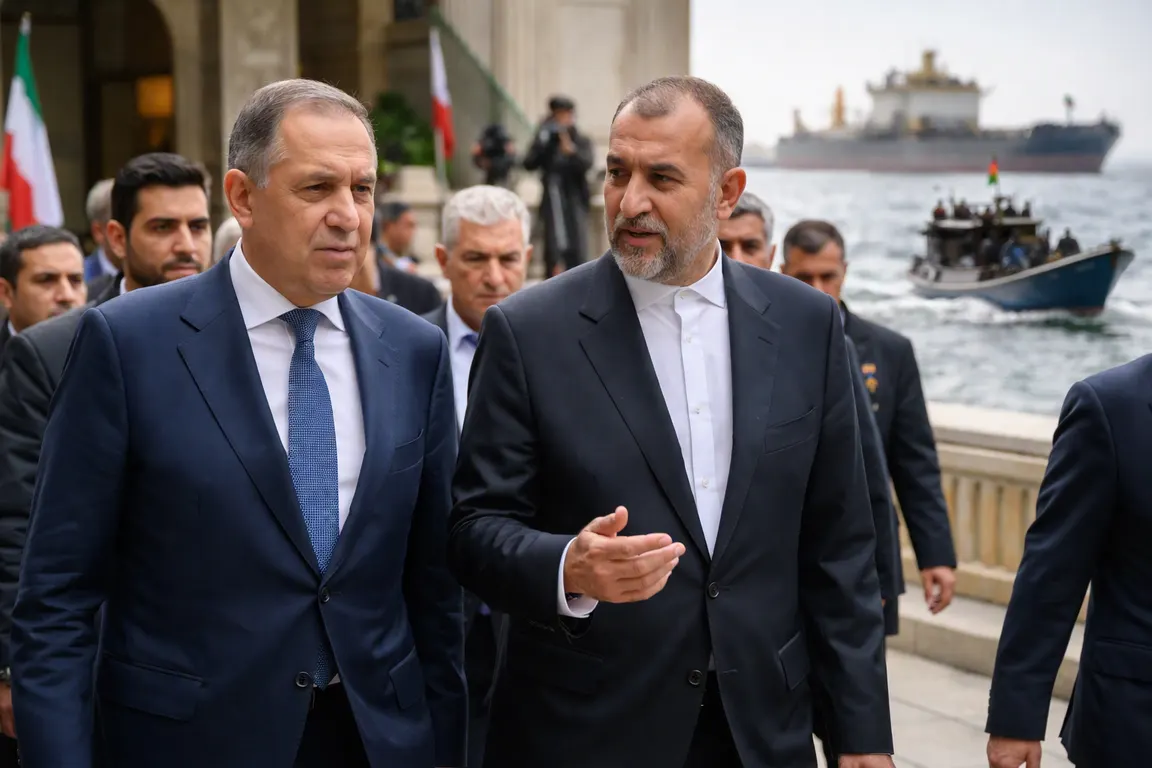
Russian Foreign Minister Sergey Lavrov arrived in Tehran for his first trip since the United States and Israel escalated their conflict, meeting senior Iranian officials to discuss the war and regional security. The visit comes as Strait of Hormuz attacks have risen sharply, threatening a chokepoint that moves roughly 20 percent of the world’s oil.
The timing is significant. Disruptions in the strait could tighten global oil supplies, push prices higher and strain Gulf economies that depend on export revenues. By engaging Tehran, Moscow signals it is willing to act as a diplomatic interlocutor in a dispute that could affect energy markets and maritime safety.
Lavrov’s talks covered the broader US‑Israel war and security concerns that have preoccupied Gulf Cooperation Council (GCC) states. In recent weeks GCC ministers have publicly urged Moscow to help curb Iranian attacks on shipping and to work toward reopening the waterway. The United States and Israel remain locked in active combat, and regional alerts have risen accordingly.
The spike in incidents was documented in October, when the number of attacks on tankers and cargo ships increased markedly, according to reporting by The American Conservative. No casualty figures or damage assessments have been released, but the pattern has prompted shipping firms to consider rerouting or delaying voyages, a move that could further tighten supply and lift oil prices.
Lavrov did not announce any concrete policy shift or formal agreement during the Tehran talks. Neither the Russian nor the Iranian foreign ministries provided details on steps Moscow might take to influence Iranian behavior. Al Jazeera’s coverage notes the diplomatic backdrop but offers no direct quotes from Lavrov on specific actions, leaving the scope of Russian involvement uncertain.
The absence of a clear plan underscores the limits of what can be verified at this stage. While Russia’s historic ties with Iran suggest it could leverage diplomatic channels, there is no independent confirmation of any forthcoming influence. Analysts say even a modest diplomatic overture could alter threat assessments for insurers and energy traders, who monitor the strait closely.
For commercial shipping operators, the immediate concern is safety. Vessels face the risk of missile or drone strikes, and insurers have already raised premiums for routes through the waterway. Gulf states, whose budgets rely heavily on oil exports, could see revenue streams wobble if the strait remains unsafe, potentially prompting broader economic adjustments.
Heightened security alerts also ripple through regional populations, disrupting local trade, increasing fuel costs and straining public services that depend on steady energy supplies.
The next step remains unclear. GCC officials have asked Moscow to intervene, but no timeline or mechanism has been outlined. Observers will watch for statements from the Russian foreign ministry or subsequent diplomatic visits that might clarify Moscow’s role. Until then, the Strait of Hormuz stays a flashpoint where commercial interests, geopolitical rivalries and the wider Middle East war intersect, keeping the global oil market and maritime community on edge.