

State Department Travel Alert as Trump Mulls Iran Options
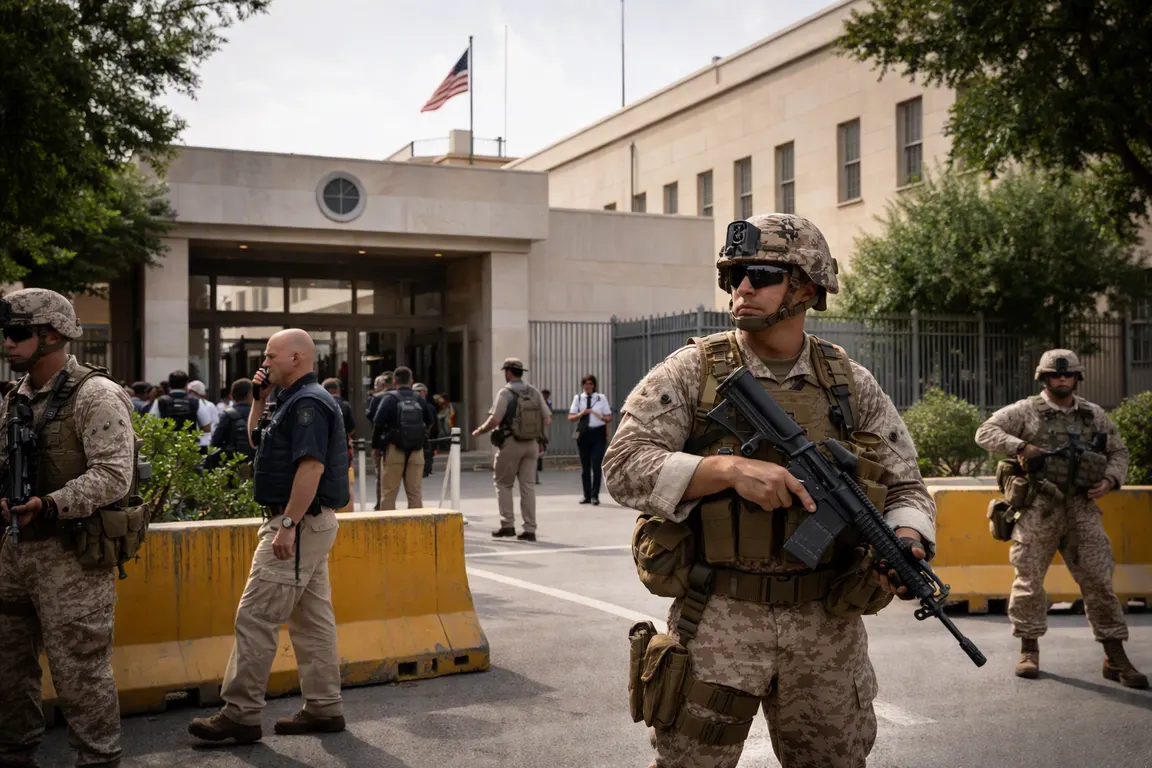
The State Department travel alert issued on Sept. 20 warns U.S. citizens to avoid travel to the Middle East and places all regional embassies on heightened security alert. The advisory follows President Donald Trump’s comments that he is in a “deciding mode” on Iran.
Trump told Fox News he is weighing three options – a limited military strike, intensified economic pressure, or a negotiated settlement – and said he might be open to meeting Iranian President Ebrahim Raisi, who is slated to address the United Nations General Assembly on Sept. 23. While no policy decision was announced, the remarks prompted the State Department to caution travelers about possible flight cancellations, airspace closures and the need for embassy staff to prepare evacuation plans.
Iran’s military spokesperson, citing state media, said a “joint meeting in a European nation” could trigger a U.S. resumption of attacks. Chief negotiator Mohammad Bagher Ghalibaf said Tehran has forwarded its conditions – an end to hostilities, release of frozen assets and lifting of the naval blockade – to Washington through Qatar. Iranian officials warned regional allies that failure to oppose a renewed U.S. assault would make them complicit.
The divergent narratives illustrate an information battle. Some outlets highlighted Trump’s “obliterate Iran” rhetoric and warned of imminent escalation, while others reported only the travel advisory. All agree that Trump’s statements remain ambiguous and that the State Department has raised its alert level.
For Americans in the region, the immediate risk is higher. The State Department advises citizens to enroll in the Smart Traveler Enrollment Program, postpone non‑essential travel and follow local security directives. Embassy staff have been instructed to review evacuation plans, and airlines have warned of possible schedule disruptions.
Regional markets are already sensitive to security shocks. Recent Houthi attacks on Saudi Aramco facilities have pushed crude prices higher, and any U.S.–Iran escalation could tighten supply expectations and depress investor confidence. Analysts caution that even a brief flare‑up could reverberate through global oil benchmarks ahead of the UNGA, where discussions on the Iran‑Israel conflict and broader Middle‑East stability are expected to dominate.
The coming days will test whether diplomatic overtures can outpace the security measures now in place. With Trump’s “deciding mode” still undefined and Iran’s war‑ending conditions awaiting a response, the United Nations stage may become the arena for either de‑escalation or a renewed cycle of threats. Observers will watch for any official confirmation of a meeting or a shift in the advisory level, both of which would signal the next direction of the standoff.