

Starshield Satellite Service Restriction Impacts Ukraine
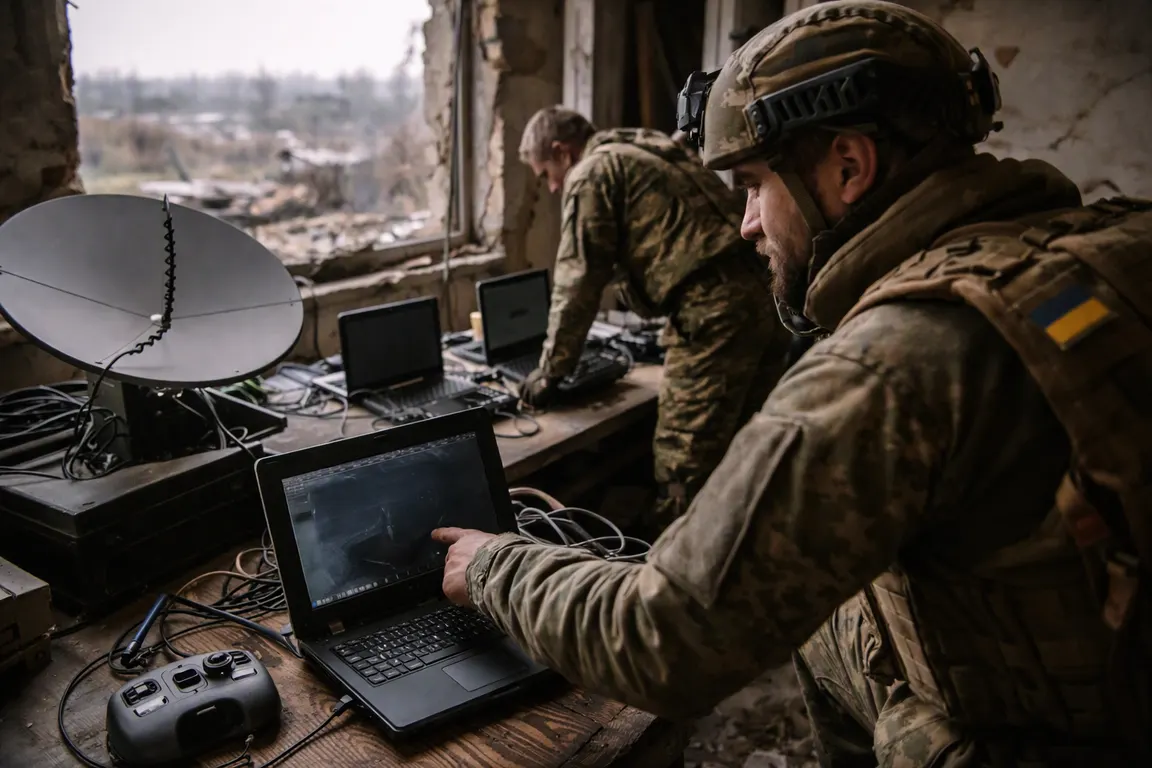
A Ukrainian drone over the contested town of Avdiivka lost its data link on April 12, prompting officials to blame a sudden restriction on the Starshield satellite service. The outage, confirmed by the Ukrainian armed forces, coincided with a broader slowdown in the flow of Starshield terminals and bandwidth to the front line.
Starshield – the encrypted, hardened version of SpaceX’s Starlink constellation – has been Ukraine’s primary secure channel for voice, data and remote‑piloted aircraft control since early 2022. The network is owned and operated by the United States, and its availability is critical to both military command structures and civilian internet access across a country where ground communications are frequently destroyed.
In early April, the Ukrainian Ministry of Defence reported that several drones lost contact mid‑flight after a “restriction” was imposed on the satellite service. NBC News cited the ministry’s statement that the loss forced pilots to abort missions and left ground units without real‑time intelligence. SpaceX has not released a formal U.S. government decree explaining the limitation, and the policy basis remains unclear.
The episode underscores a growing tension over who controls essential digital infrastructure in a war zone. SpaceX operates the only satellite network capable of delivering high‑capacity, low‑latency links across Ukraine’s shattered communications grid. That reliance gives the United States considerable leverage, but it also exposes Ukraine to corporate or political decisions that can change without parliamentary oversight.
For civilians, the slowdown translates into slower or unavailable internet, hampering emergency alerts, online schooling and access to basic services. For the military, reduced bandwidth limits the number of drones that can be simultaneously controlled and restricts secure command‑and‑control traffic. U.S. lawmakers have warned that a shortage of terminals and unexplained access limits are hampering Ukraine’s war effort, a concern reported by the Wall Street Journal in March.
Analysts say the incident is a warning for future conflicts that may depend on single‑source, privately owned satellite constellations. "When a private company controls the only high‑speed link for a nation at war, policy decisions can become a bottleneck," one defense analyst told the Associated Press.
SpaceX said it is reviewing terminal allocations and bandwidth distribution but has not provided a timetable for restoring full service. Ukrainian officials have asked the United States for a formal assurance that Starshield will remain available for defensive operations. Congressional committees are preparing hearings on the strategic risks of private satellite dependence.
Until a definitive policy decision is announced, the risk of further communication blackouts will continue to shape battlefield tactics and the broader debate over digital sovereignty in modern warfare.