

Starlink bandwidth caps slow Ukraine’s military
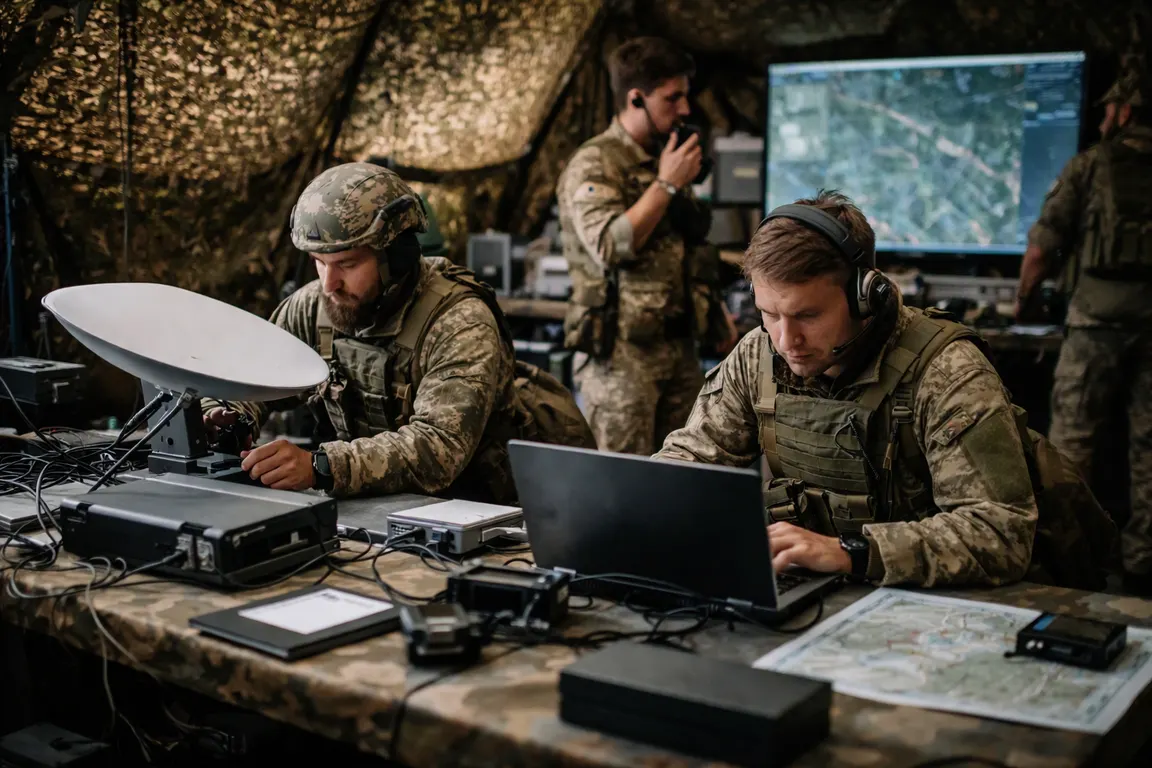
Ukraine’s armed forces are facing reduced Starlink bandwidth caps Ukraine that officials say are hampering battlefield operations, while SpaceX founder Elon Musk attributes the limits to U.S. government directives. Commanders report that data‑intensive tasks such as real‑time intelligence sharing, drone control and medical coordination are now slower, raising immediate safety concerns.
Starlink was first deployed in Ukraine in 2022 as a rapid‑deployment solution after years of conflict shattered the country’s communications infrastructure. By early 2024 the service had become the backbone of military communications, linking front‑line units with command centers, humanitarian NGOs and civilians who rely on the link for news, education and emergency alerts. The recent speed caps threaten that lifeline at a moment when Kyiv is coordinating a major counteroffensive and NATO allies are funneling supplies through the same digital channels.
Ukrainian officials told the BBC that the throttling is “disrupting battlefield missions,” noting delays in transmitting video feeds and encrypted messages. SpaceX has not confirmed a technical change that would explain the slowdown. In a televised interview, Musk said any limits on Ukraine’s access are imposed by the United States, not by his company, and that SpaceX would expand capacity if permitted. The BBC’s follow‑up report observed that overall access has improved since the caps were first reported, but the speed restrictions remain.
If U.S. authorities are curbing bandwidth, the action likely stems from export‑control or national‑security considerations that have not been publicly detailed. If SpaceX imposed the limits, the motive could involve bandwidth management, cost recovery or compliance with undisclosed regulatory constraints. Neither side has provided a precise date or technical description of the throttling, and no public record of a formal U.S. policy decision has emerged.
For soldiers on the ground, the impact is tangible. Slower uploads delay reconnaissance imagery, reducing the timeliness of targeting decisions. Medics report that tele‑medicine consultations with specialists in western hospitals are less reliable, potentially affecting treatment outcomes. Civilians, many of whom depend on Starlink after local infrastructure was destroyed, experience longer load times for news sites and educational platforms, compounding the humanitarian strain.
The episode also tests the emerging partnership between private satellite operators and national defense. SpaceX’s revenue and reputation hinge on its ability to deliver uninterrupted service in high‑risk environments, while the U.S. government faces scrutiny over how it regulates—or restricts—private assets in a conflict. NATO partners and humanitarian organizations are watching the dispute closely, as similar satellite constellations could be called upon in future crises.
The next step is likely a series of diplomatic and technical discussions among the Pentagon, the State Department, SpaceX and Ukrainian officials to clarify the legal basis for any bandwidth controls and to explore ways to lift the caps without compromising security. Until those talks produce a transparent resolution, the uncertainty over who holds the throttle knob will continue to shape the rhythm of Ukraine’s digital battlefield.