

Starlink bandwidth caps leave 600,000 Ukrainians without
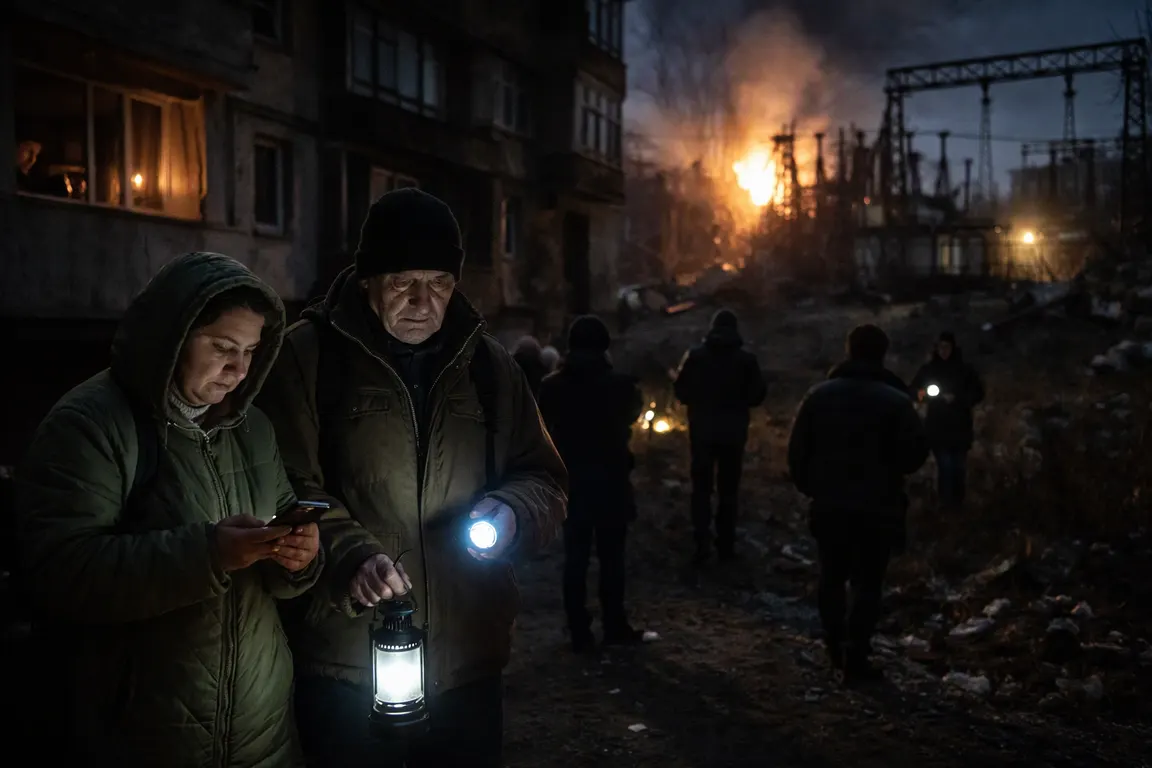
Russian missile attacks on Ukraine’s power grid on Sunday left an estimated 600,000 people without electricity, just hours after President Joe Biden announced a U.S.-backed cease‑fire for energy facilities. The strikes hit transmission substations in the Kharkiv and Dnipropetrovsk regions, prompting the Guardian and BBC to confirm widespread outages. At the same time, the United States ordered a reduction in data speeds for SpaceX’s Starlink terminals, a move described as "Starlink bandwidth caps Ukraine" to prevent the high‑capacity link from being used for long‑range strikes.
Two days later, the Pentagon said the bandwidth caps were intended to limit the risk of the satellite link being weaponized, while the White House defended the policy as a necessary precaution. The simultaneous loss of power and throttled satellite bandwidth threatens both civilian safety and Kyiv’s defensive operations. Hospitals, heating systems and water‑treatment plants have switched to emergency generators, but fuel supplies are limited. Residents in the affected zones report slower internet, hampering access to emergency information.
For the military, the caps have reduced the speed of Starlink terminals to a fraction of their previous rates, according to the Wall Street Journal. Frontline units say video feeds from drones are now intermittent, delaying orders and reducing the precision of strikes on Russian‑occupied territory. Artillery crews that previously relied on rapid data links are forced to fall back on voice relays, which can introduce errors.
Ukrainian officials, including an adviser on military technology to President Volodymyr Zelenskyy, described the caps as “temporary bandwidth reductions” that have already caused several combat missions to fail. State Department spokespeople emphasized that intelligence sharing with Kyiv continues unchanged.
The humanitarian impact is acute as winter temperatures fall below freezing across much of the country. Loss of power threatens heating for hundreds of thousands of civilians, raising the risk of hypothermia and complicating the operation of medical equipment. Local authorities have activated emergency generators in hospitals and opened temporary heating centers, but the shortage of fuel remains a constraint.
Analysts note that the dual shock of darkness and reduced communications could erode public morale and give Russia a propaganda advantage. They warn that prolonged outages and internet throttling may increase civilian casualties and strain Ukraine’s resilience.
Western partners are set to meet in Brussels later this week to review aid packages and discuss possible adjustments to the Starlink policy. Until a decision is reached, Kyiv’s emergency services continue distributing generators, and Ukrainian officials are urging the United States to reconsider the bandwidth caps as the winter fighting season intensifies.