

Sorrento Beach Shark Attack Triggers WA Mitigation Review
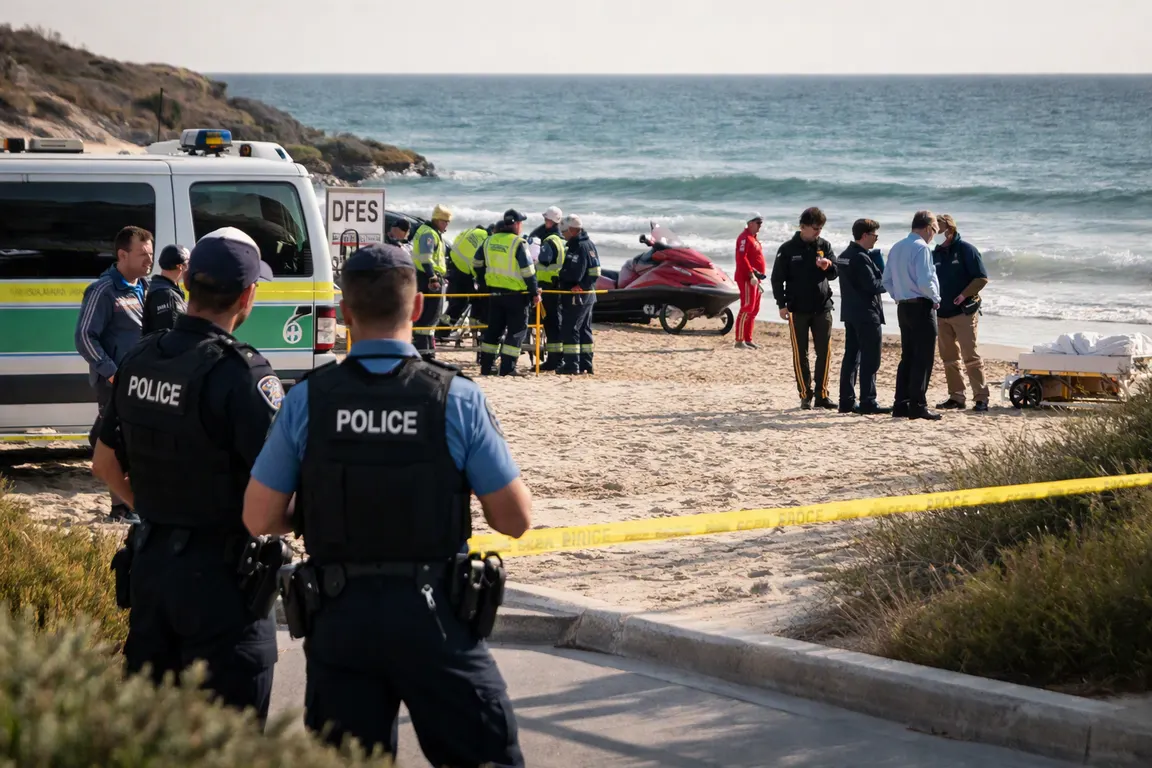
A 30‑year‑old man died after a Sorrento Beach shark attack on Friday morning at the popular surf spot north of Perth. Police and emergency services arrived at about 10:30 a.m., pronounced the victim dead and opened a criminal‑investigation file. The Department of Fire and Emergency Services confirmed that both the seasonal drone patrol and the bait‑ed hook‑line deterrent were operating at the time.
The incident is the fifth confirmed fatal shark incident in Australia this year and the first in Western Australia. With an estimated 2,000‑3,000 visitors crowding the beach each weekend during summer, the death has reignited debate over the adequacy of the state’s shark‑mitigation strategy.
Police and DFES responded quickly, deploying medical crews and securing the area. Witnesses described the scene as chaotic but did not provide graphic details. The victim’s name has not been released, and a preliminary coroner’s report confirmed death by shark bite without identifying the species.
Sorrento Beach relies on a drone‑based spotting program that monitors the water during peak season and a bait‑ed hook‑line system intended to lure sharks away from swimmers. Both tools were active on Friday, yet the attack occurred despite their presence. State officials have not yet indicated whether the systems will be adjusted, but the incident is expected to trigger a formal review that could include additional exclusion zones or more frequent aerial patrols.
The broader context includes four other fatal shark attacks earlier in 2024, each in a different state. While the national tally remains low, the clustering of incidents has heightened public concern and put pressure on governments to demonstrate effective risk management. Tourism operators on the Perth coast warn that a perception of unsafe beaches could deter visitors, potentially impacting a sector that contributes significantly to the regional economy.
In the hours after the attack, authorities issued a temporary beach‑closure advisory and urged the public to heed any warning signs. Local surf schools suspended lessons, and tour operators reported a dip in bookings for the following weekend. The WA Police investigation will examine whether any procedural lapses contributed to the fatality, and the coroner’s office will conduct a full inquest.
The State Minister for Emergency Services, who oversees the shark‑mitigation program, said the government is "committed to reviewing all available data and ensuring that our safety measures reflect the latest science." No concrete policy changes have been announced, but officials said a stakeholder consultation will be convened within weeks to assess the effectiveness of the drone and hook‑line systems.
The incident underscores a persistent safety gap: advanced technology alone cannot eliminate risk in a marine environment where sharks are mobile and unpredictable. The upcoming review will determine whether Western Australia expands its current toolkit, invests in new detection methods, or revises public‑access guidelines.
Families of the victim, local residents and beachgoers now await the outcomes of the police inquiry and the coroner’s inquest, while the state grapples with how best to balance recreational use of its coastline with the imperative of public safety.