

SCO Summit in Bishkek Tests Multipolar Trade Amid Sanctions
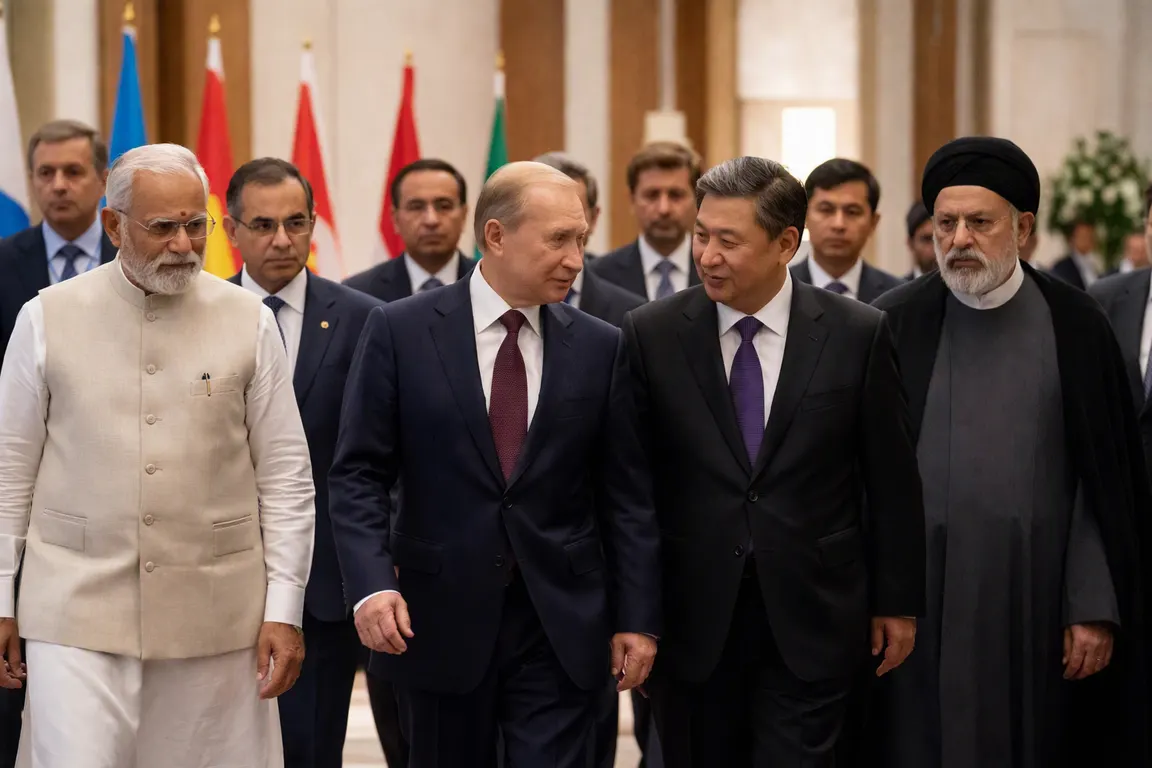
Leaders of Russia, China, India, Pakistan and Iran gathered in Bishkek on Aug. 19‑20 for the SCO summit Bishkek, marking the Shanghai Cooperation Organisation’s 25th‑anniversary meeting and a coordinated response to tightening Western sanctions.
The United States is expanding secondary sanctions on Iran’s gold, technology and maritime sectors while maintaining pressure on Russia over its war in Ukraine. With the SCO representing roughly 40% of the world’s population and a quarter of global GDP, any shift in trade routes, security ties or investment flows will affect Central Asian economies, energy markets and the broader balance of power.
Kyrgyz President Sadyr Japarov chaired the summit. Attendees included Russian President Vladimir Putin, Chinese President Xi Jinping, Indian Prime Minister Narendra Modi, Pakistani Prime Minister Shehbaz Sharif, Iranian President Masoud Pezeshkian and Turkey’s President Recep Tayyip Erdogan as a guest, though Turkey is not a formal SCO member. Bilateral meetings were scheduled between Putin and Xi, and between Putin and Pezeshkian, but agendas were not disclosed.
Analysts say the Bishkek talks give Russia and China a venue to explore sanction‑evasion mechanisms, especially in oil and gas. Iran, already under U.S. secondary sanctions, could deepen oil sales to Russia in exchange for technology or financing, a move that would blunt Western pressure on both economies. The SCO’s expanded membership—ten full members, fifteen dialogue partners and two observers—offers Moscow and Beijing a broader diplomatic platform to legitimize such cooperation.
For the Central Asian states surrounding Kyrgyzstan, the summit signals possible shifts in investment and security. Chinese firms have accelerated Belt‑Road projects across Kazakhstan, Tajikistan and Uzbekistan, while Russian security guarantees remain a cornerstone of regional stability. Increased Chinese capital could create jobs in construction and logistics, but it also raises concerns about economic dependence, sovereignty and debt sustainability.
India and Pakistan, both SCO members, are watching for a more open trade framework that could ease U.S.‑led export controls. Modi’s government has stressed the need for diversified supply chains, and Sharif’s administration hopes a multilateral forum might offset recent trade disputes with the United States. Neither side has announced concrete agreements, and the SCO charter still emphasizes security cooperation over binding trade commitments.
The summit’s outcomes remain opaque. Official statements are expected to reiterate a “multipolar world” vision and pledge deeper cooperation, but no signed agreements on sanctions evasion or new transport corridors have been released. Observers warn that the lack of transparency makes it difficult for businesses to assess risk, especially those involved in energy trading, logistics and finance across the Eurasian corridor.
As the Bishkek meetings conclude, diplomats and analysts will watch for post‑summit communiqués that may hint at concrete steps—such as joint investment funds, streamlined customs procedures or coordinated security patrols along the China‑Kazakhstan border. Until details emerge, the SCO’s role as a de‑facto platform for sanction circumvention remains uncertain, a factor that will shape policy decisions in Washington, Tehran and Moscow in the weeks ahead.