

Russian missiles hit Kyiv after U.S. envoys leave
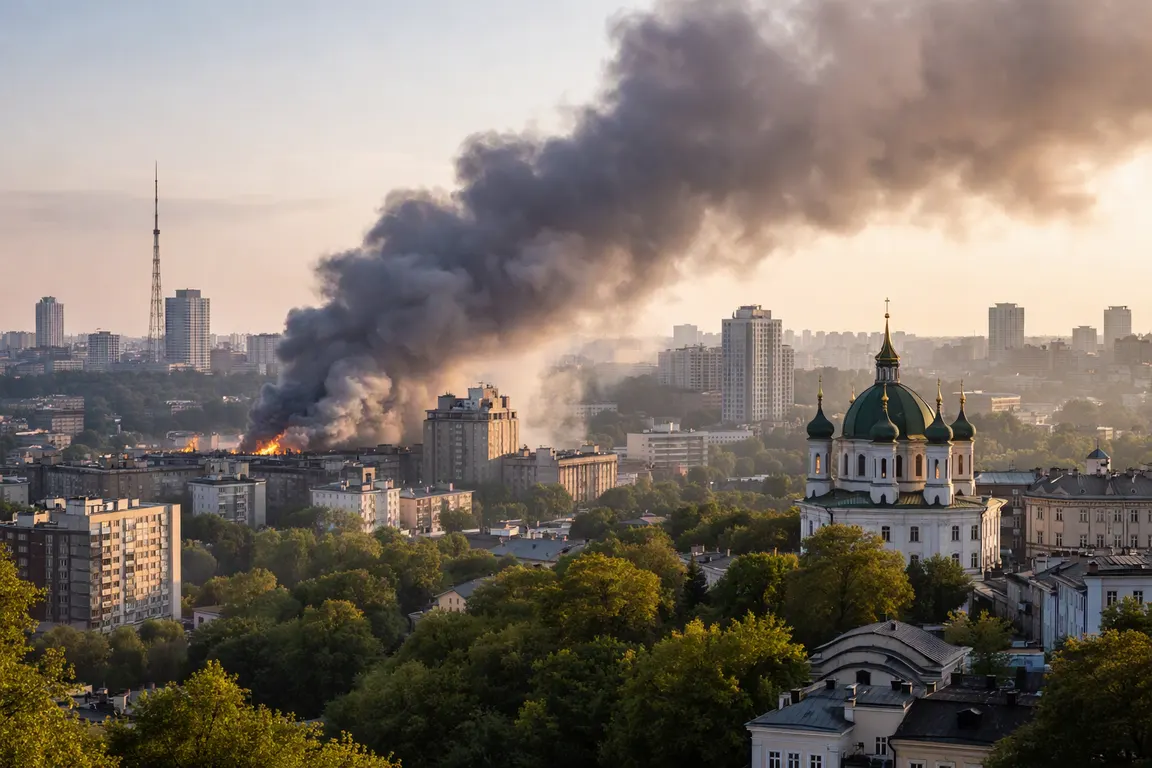
Russian missiles Kyiv attack resumed early Tuesday, striking the capital along with drones and killing at least two civilians while igniting fires across the city.
The assault came within hours of senior U.S. officials Steve Witkoff and Jared Kushner departing Kyiv, ending a weekend pause in strikes that Ukrainian officials said was tied to the diplomatic mission.
The brief lull had given Kyiv’s densely populated districts a rare reprieve and allowed humanitarian groups a narrow window to assess damage to critical infrastructure. Its end underscores how quickly on‑the‑ground security can shift despite high‑level talks.
Over the weekend, Witkoff and Kushner met President Vladimir Putin in Moscow and then President Volodymyr Zelenskyy in Kyiv. After the meetings, the Kremlin announced a temporary pause on attacks against the capital. Ukrainian Foreign Minister Andrii Sybiha linked the cease‑fire to the envoys’ presence, saying it ended when they left. On Tuesday, Trump and Putin held a one‑hour phone call that the Kremlin described as “constructive and frank,” with Trump urging a swift end to the war.
Within hours of the U.S. team’s exit, Russian aircraft launched missiles and drones that hit residential neighborhoods and damaged a power substation on the city’s outskirts. The United Nations reports that civilian deaths in Ukraine have risen to their highest level since the early months of the 2022 invasion, and the latest strike adds to that toll.
Ukrainian officials condemned the attack as a breach of the informal understanding that underpinned the weekend pause. Russian officials said direct contacts would continue and denied any link between the strikes and the diplomatic mission.
The immediate impact on Kyiv’s residents was stark. Fires forced evacuations in several districts, and early assessments indicate damage to the city’s energy grid that could strain heating supplies ahead of winter. Disruption to fuel deliveries also threatens grain and refined‑product shipments that move through Ukrainian ports, raising concerns about broader volatility in food and energy markets.
The episode highlights the gap between diplomatic gestures and civilian safety. As U.S. officials gear up for the upcoming midterm elections, they face scrutiny over whether their mediation can translate into tangible protection for civilians.
Kyiv’s mayor has called for an urgent review of the city’s air‑defence posture, and the United Nations is urging both sides to honor any cease‑fire arrangements. Analysts note that future diplomatic contacts will be judged by their ability to prevent renewed strikes, a test that will shape both the humanitarian outlook for Kyiv and the international community’s confidence in the peace process.