

Russian Drone and Missile Barrage Hits Kyiv and Odesa
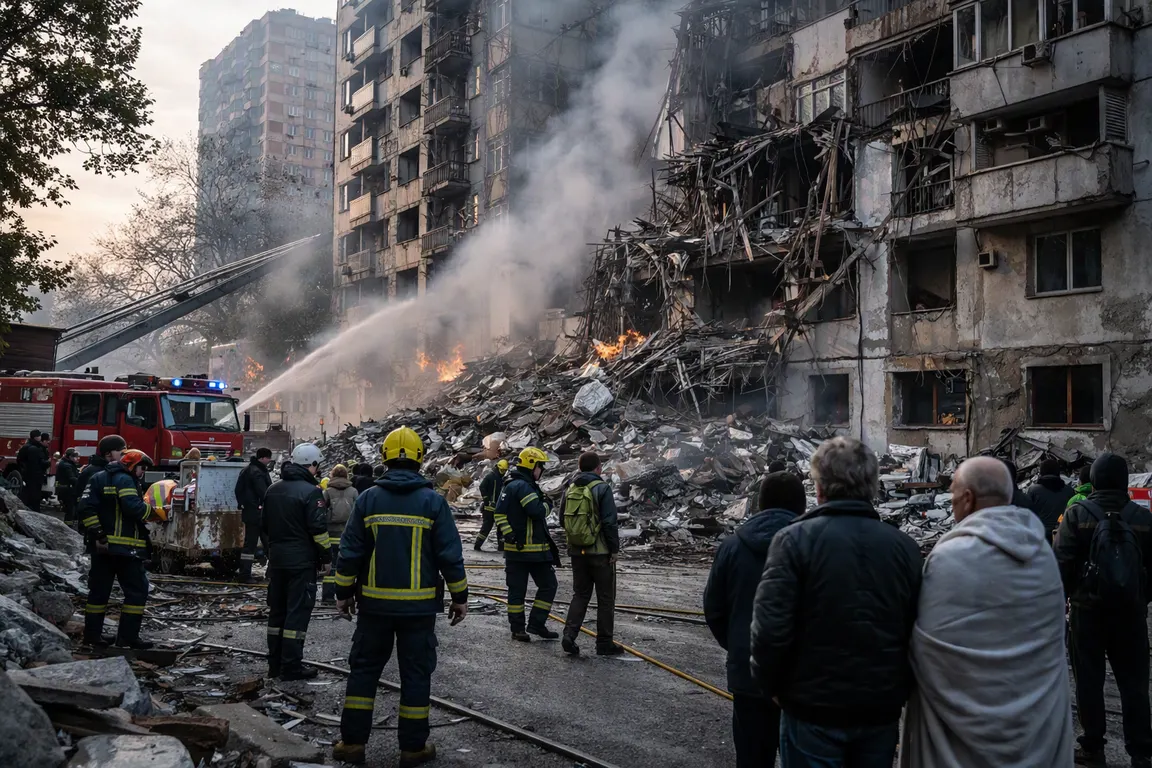
A coordinated wave of Russian drone missile barrage Ukraine struck Kyiv, its surrounding region and the Odesa area over the past 48 hours, killing at least 12 people and injuring dozens, including two children working on railway repairs. The attacks knocked out electricity for thousands of households and highlighted shortages in Ukraine’s air‑defence network that European ministers discussed in Dublin.
The strikes tested the limits of Ukraine’s layered air‑defence system, which has struggled to intercept high‑speed drones and long‑range missiles. Civilian casualties and power outages underscored the immediate human cost and prompted EU defence ministers to call for additional interceptors and radar assets. While leaders reaffirmed political support for Kyiv, no new weapons package was announced.
Ukrainian officials said 20 railway workers were injured when a strike hit a repair site on the outskirts of Kyiv, two of them children, according to the BBC. The Guardian reported that overnight attacks across the country killed at least 12 people and left dozens more wounded, with the Odesa region experiencing widespread blackouts that affected thousands of homes and disrupted port operations. Al Jazeera echoed the death toll in Kyiv and noted that the barrage combined drones and missiles in a sustained assault. The Independent added that the drones were jet‑powered, marking the sixth consecutive night of such attacks on the capital.
European officials convened in Ireland to address the shortfall in Ukraine’s air‑defence coverage. The meeting did not produce a concrete weapons package, but ministers pressed Kyiv on the most critical gaps – a shortage of medium‑range surface‑to‑air missiles and modern radar capable of tracking low‑altitude drone swarms. German Foreign Minister Johann Wadephul, speaking in Algiers, warned that Germany would not be intimidated by Russian aggression, but offered no new equipment commitments.
The power cuts in Odesa have immediate economic repercussions. The port city, a key conduit for grain and other exports, relies on stable electricity for refrigeration and cargo handling. Outages threaten spoilage of perishable goods and could delay shipments, adding strain to Ukraine’s wartime economy. Residents reported reliance on generators and candles, with schools and hospitals forced to curtail services.
Analysts note that the intensity of the recent barrage exceeds previous nightly attacks, suggesting Russia is seeking to exploit Ukraine’s depleted air‑defence stocks after months of sustained combat. Claims that the strikes are direct retaliation for recent Ukrainian deep‑strike operations remain unverified, as the sources offering that narrative – primarily The Independent – do not provide corroborating evidence.
The situation leaves several unanswered questions. EU and NATO members have pledged continued assistance, but the timeline for delivering additional Patriot, NASAMS or other interceptors remains unclear. Kyiv’s military has not disclosed the operational status of its remaining air‑defence batteries, and it is unknown whether the recent attacks have forced a tactical shift in how the city allocates its limited resources.
As the night‑time barrage subsides, Ukrainian authorities are assessing damage to infrastructure and preparing for potential follow‑up strikes. The next step for European partners will be translating diplomatic assurances into tangible air‑defence support, a move that could determine whether Kyiv can stem the current wave of attacks and restore power to its beleaguered citizens.