

Russian artillery kills two pensioners in Kramatorsk
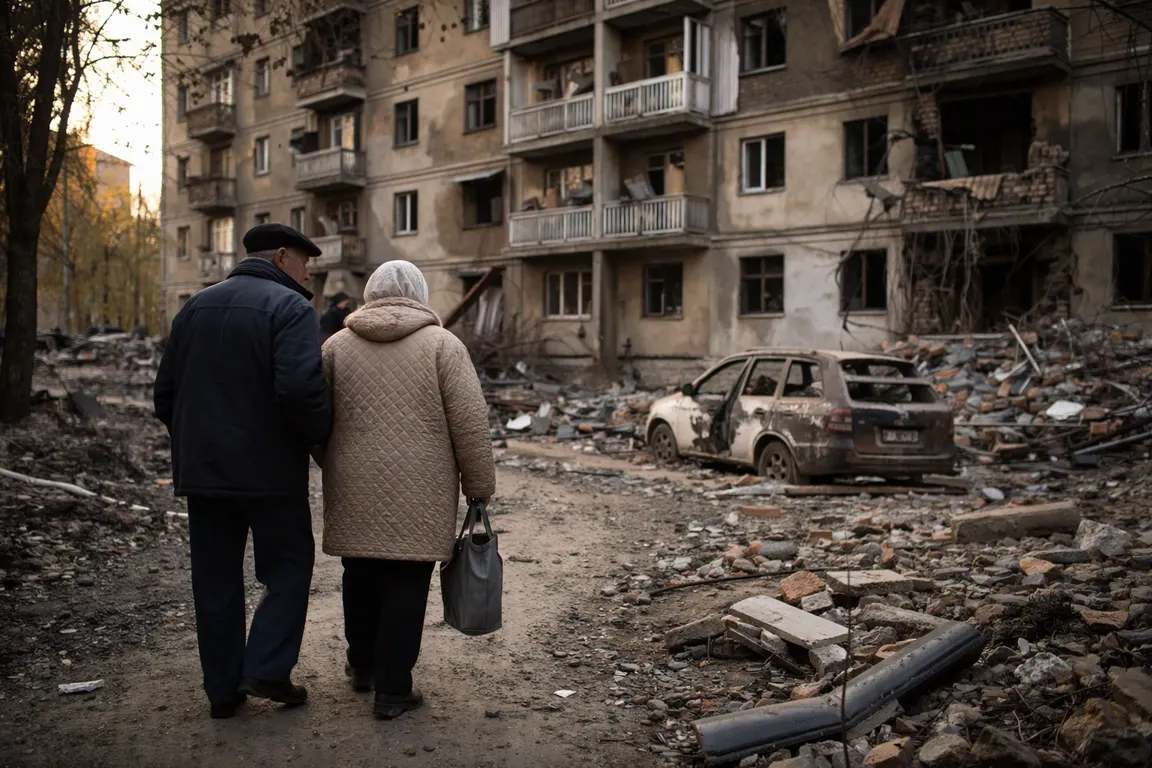
U.S. special envoy for Ukraine peace talks Steve Witkoff called Russian President Vladimir Putin “humanitarian” on Wednesday, the same day Russian artillery Kramatorsk strike killed two pensioners in the eastern Ukrainian town of Kramatorsk.
Witkoff arrived in St. Petersburg to discuss new peace‑proposal ideas with Russian officials and, in a brief press briefing, said Putin “has taken steps that can be described as humanitarian.” The remark was reported by The Independent World and Al Jazeera. No policy shift or new initiative accompanied the comment, and State Department officials have not explained the language.
The praise came as a U.S. citizen, described by Russian authorities as “wrongfully detained,” was released from Russian custody. Russian forces continued to shell civilian neighborhoods across Ukraine, including the strike in Kramatorsk that killed the two elderly pensioners and injured several others. Ukrainian officials have documented a steady pattern of attacks on residential districts, schools and hospitals, underscoring the ongoing danger to non‑combatants.
U.S. officials have offered no clarification on whether the “humanitarian” label reflects a broader strategic shift or was limited to the detainee’s release. The absence of an official response leaves analysts to interpret the comment as either an attempt to keep diplomatic channels open with Moscow or a mis‑calibrated statement that could undermine U.S. credibility with Kyiv and its allies.
For Ukrainians on the ground, the envoy’s wording does not change the immediate threat posed by Russian attacks. Humanitarian aid, reconstruction projects and civilian‑protection measures continue to depend on international assistance, much of which is coordinated through U.S. channels. If diplomatic language is seen as downplaying Russian aggression, it could strain those partnerships and complicate future negotiations aimed at ending the war.
The episode highlights a persistent diplomatic dilemma: engaging a hostile party in peace talks while maintaining a clear condemnation of actions that violate international law. As Witkoff returns to Washington, senior State Department officials are expected to meet with Ukrainian counterparts to assess the impact of the remarks on aid and negotiation efforts.
The State Department has scheduled a follow‑up briefing on the St. Petersburg visit. Policymakers will need to decide whether to issue a clarifying statement, adjust messaging around the peace track, or explore alternative avenues for dialogue. How the United States balances diplomatic outreach with the stark reality of civilian casualties will shape the tone of future peace initiatives and the broader international response to the conflict.