

Russia says it will resume trilateral peace talks if U.S
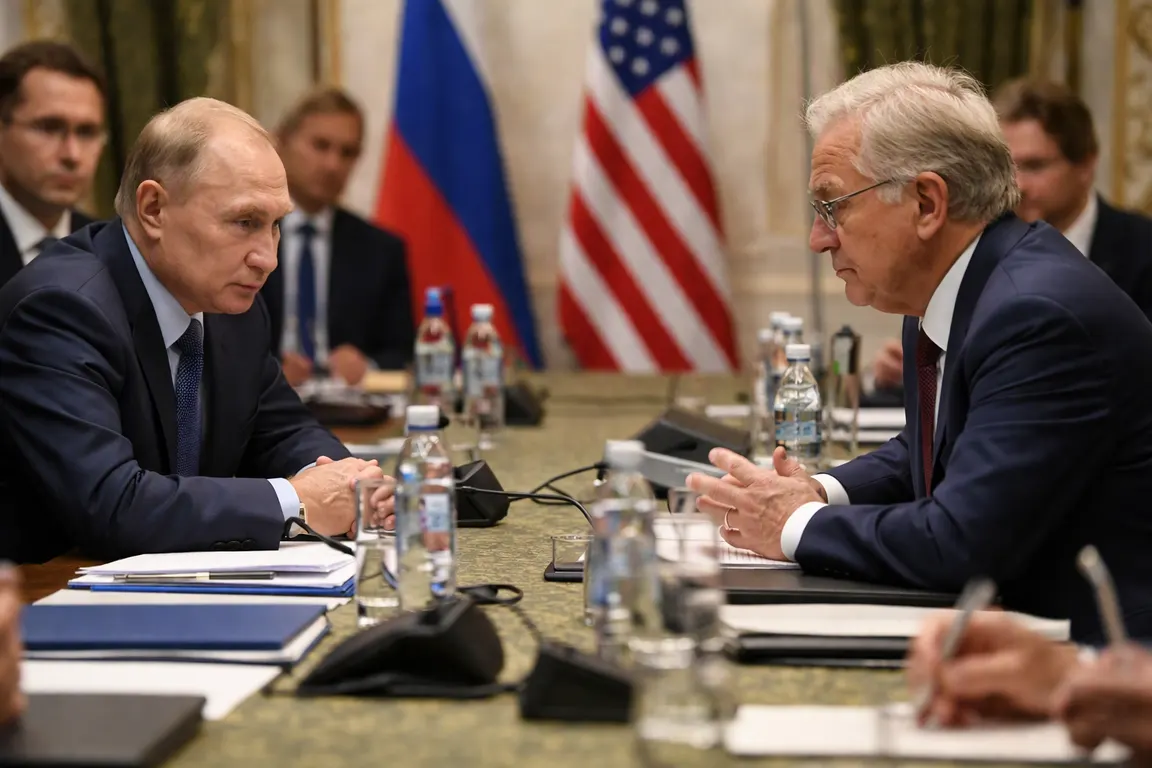
Moscow said on Wednesday it was "in principle" ready to restart Russia trilateral peace talks with Washington and Kyiv after a three‑hour meeting in Saint Petersburg between President Vladimir Putin and a U.S. envoy. The statement, delivered by Foreign Ministry spokesman Yuri Ushakov, came as Russian air strikes that day killed four Ukrainian civilians, underscoring the gap between diplomatic overtures and battlefield violence.
The timing is significant. The United States heads into a midterm election that could reshape congressional support for aid to Ukraine, while the war continues to claim civilian lives and strain European energy supplies. Understanding what Russia deems "substantial" in a peace framework helps gauge whether renewed talks could lead to humanitarian pauses, a shift in sanctions policy, or broader market repercussions.
Ushakov’s remarks followed the Saint Petersburg session in which Putin approved the release of detained American citizen Stephen Hubbard. The U.S. envoy described the encounter as "constructive," but Ushakov echoed the assessment that the Ukrainian and European proposals brought from Oslo contained "little substance." The Kremlin’s conditional readiness therefore hinges on Washington presenting a more robust package.
President Joe Biden, speaking the same day, called the talks "the closest we’ve been" to ending the war and announced a diesel‑sale agreement with Russia intended to lower U.S. fuel prices ahead of the election. Ukrainian President Volodymyr Zelensky confirmed Kyiv’s willingness to resume trilateral talks and said the American side is pushing for an accelerated schedule.
The diesel deal has drawn criticism in Kyiv and across Europe, where officials argue it weakens the sanctions regime that pressures Moscow’s war financing. Analysts note that any temporary dip in U.S. fuel prices could be offset by longer‑term risks to European energy security if Russian oil revenues rise.
At the same time, Russian air strikes in Kyiv and Kharkiv that killed civilians on the day of the Saint Petersburg meeting illustrate that diplomatic signals have not yet translated into reduced hostilities. International humanitarian agencies have called for reinforced air‑defence measures and safe corridors, but no new ceasefire provisions have emerged from the recent exchanges.
A broader diplomatic effort is also under way. A summit in Shenzhen next month is being prepared for Putin, Biden and Chinese President Xi Jinping. Ushakov called the planned meeting "the first such gathering in history," but offered no details on agenda items. Observers see the summit as both a test of the trilateral process and a potential platform for Russia and China to coordinate positions on sanctions and post‑war reconstruction.
For Ukrainians, the immediate concern remains protection from air strikes that have already claimed civilian lives. Without a ceasefire or credible security guarantees, civilian casualties are likely to continue.
The next concrete step will be the resumption of trilateral talks in mid‑November, after the U.S. midterms. Whether the United States can present a package that satisfies Russian demands for substance, while Kyiv insists on credible security guarantees, will determine if the talks move beyond rhetoric. The outcome will also shape the viability of the diesel agreement and its impact on global fuel markets.
Until then, the contrast between diplomatic language and battlefield realities remains stark, leaving policymakers and civilians alike to watch closely for any shift in momentum.