

Russia missile strike Kyiv hits data centers and winter
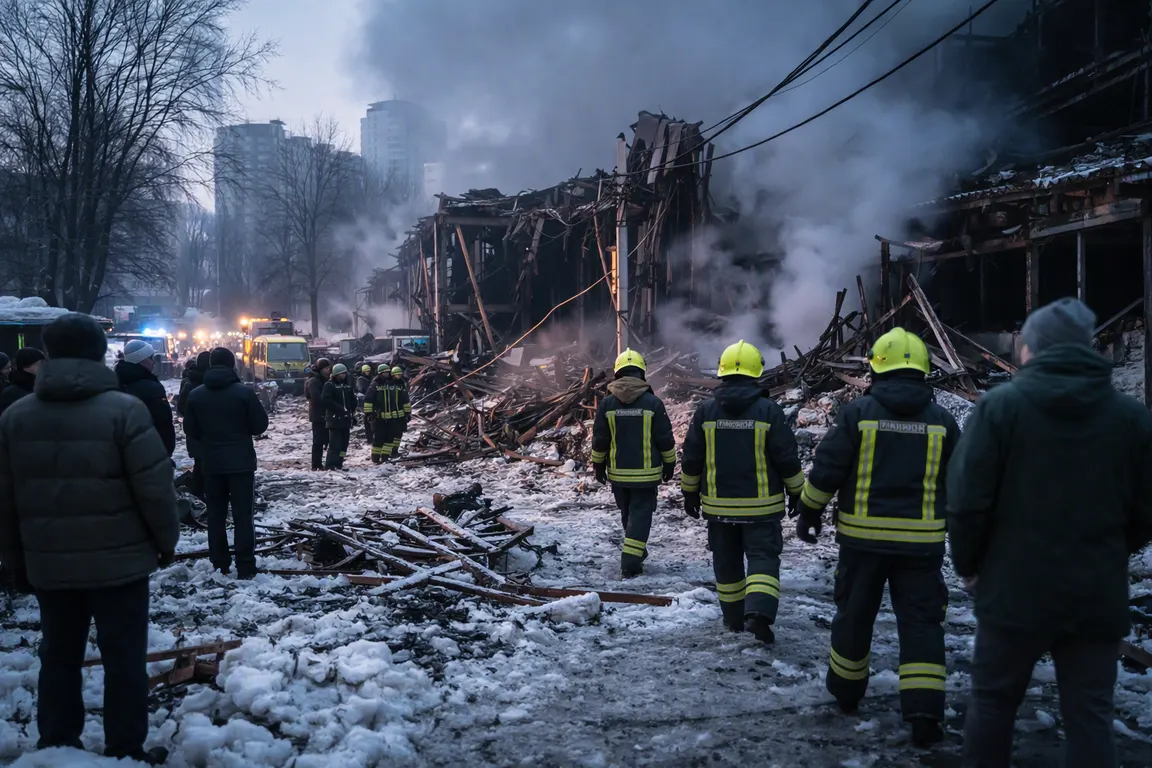
Within hours of President Vladimir Putin indicating a willingness to resume three‑way talks with the United States and Ukraine, Russia missile strike Kyiv began with a coordinated barrage on the capital. Twenty‑one ballistic missiles hit the Dnipro bridge, residential blocks, energy facilities, an ambulance station, a clinic, a subway station and a railway station. Local reports say at least four civilians were killed and dozens, including children, were wounded.
At the same time, Ukrainian‑operated drones knocked out three Yandex data centres in Sasovo, Kaluga and Vladimir between Oct. 8‑11, a Sberbank hub in Balakovo on Oct. 14 and a VKontakte facility in St. Petersburg on Oct. 18. The attacks disrupted cloud services, online commerce, ride‑hailing, payments and Yandex’s top supercomputer, which ranks among the world’s most powerful.
The twin offensives illustrate a new battlefield that targets both physical and digital lifelines as winter approaches and diplomatic momentum stalls. For Kyiv residents, the missile strikes threaten heating, water and medical care; for Russia, the loss of key data‑centre services threatens everyday transactions and the country’s emerging artificial‑intelligence research.
Russian officials described the missile campaign as “demonstrative,” aimed at damaging energy infrastructure before the cold months. Western analysts have called the attacks a form of “weaponising winter,” noting power outages and heating shortages already reported in the city’s western districts. The Guardian reported at least two deaths, while the Manila Times put the toll at four, highlighting the difficulty of confirming casualty figures in the chaos.
The Russian defence ministry claimed it downed 808 Ukrainian drones, 630 of them aimed at Moscow, but Ukrainian sources have not verified those numbers. Russian officials labelled the damage to the Yandex, Sberbank and VKontakte facilities as “significant,” yet the companies have not released detailed loss assessments, leaving the true economic impact uncertain.
For Kyiv civilians, the strikes have triggered rolling blackouts and forced hospitals to rely on backup generators, raising the risk of service disruptions during the cold season. In Russia, the outages have temporarily halted online payments, ride‑hailing apps and banking transactions for thousands of users, and staff at the affected tech firms face potential layoffs as cloud capacity is rebuilt.
International markets reacted with modest volatility in Russian tech stocks. Analysts note that damage to Yandex’s supercomputer could set back the country’s AI competitiveness for months. The broader economic fallout may also influence how Western governments assess further arms supplies, given recent reports of Patriot ammunition shortages.
Ukrainian President Volodymyr Zelenskyy reiterated that only a leaders’ summit can break the deadlock, warning that Russia is “weaponising winter.” Technical talks have stalled after limited prisoner exchanges, and no concrete schedule for trilateral negotiations has been set.
The coming weeks will test whether further strikes on energy and digital infrastructure harden positions or push negotiators toward a breakthrough. Key questions remain: how quickly can the damaged Russian data centres be restored, what long‑term impact will the attacks have on Russia’s AI ambitions, and whether heightened civilian risk in Kyiv will force a recalibration of Russian tactics ahead of winter.