

Russia and Iran vow resistance to U.S. sanctions at SCO
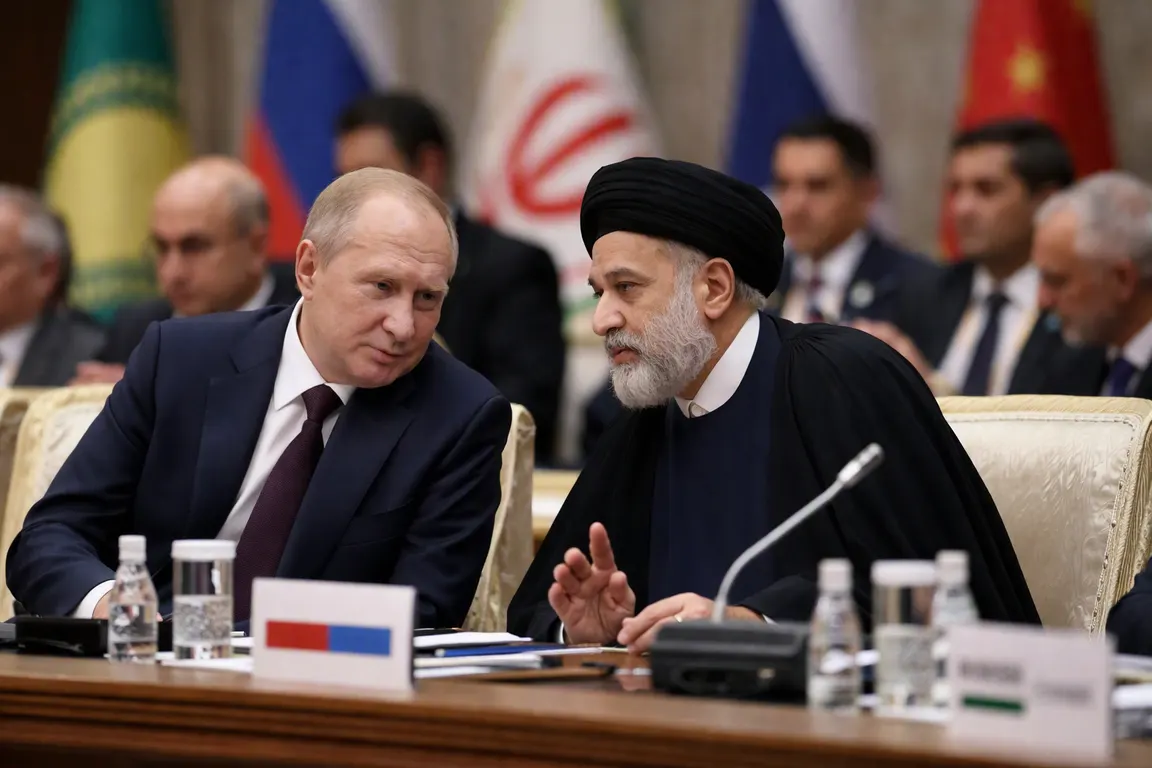
Moscow and Tehran used the Shanghai Cooperation Organization summit in Bishkek on Tuesday to signal a coordinated stance on Russia Iran sanctions and to promise to keep the Strait of Hormuz open under certain conditions.
President Vladimir Putin told the SCO leaders that Russia would "stand by Iran" and "defy any attempts to impose illegal sanctions." He made the remarks alongside Chinese President Xi Jinping, underscoring the Russia‑China axis that drives the organization.
Iranian President Masoud Pezeshkian, speaking on the sidelines, said Tehran would match any U.S. move that restores the June 2023 memorandum on Hormuz, an agreement that had outlined a pathway to reopen the waterway after the February 28 attacks and to resume peace talks. The memorandum collapsed later in the year amid accusations of breach from both sides.
The exchange marks the most public alignment of Moscow and Tehran since the memorandum fell apart. Both countries are seeking alternatives to Western‑led financial and security structures, and their joint messaging could affect global oil flows, regional security calculations and the diplomatic space available to Washington.
The Kyrgyz‑hosted summit now includes 15 dialogue partners, among them Turkey, Saudi Arabia and Qatar, and serves as a platform for Russia and China to shape a regional security narrative distinct from NATO. No joint military operation was announced, but the public coordination on sanctions resistance and the Hormuz issue suggests a deeper strategic calculus.
Shipping firms and oil traders have already flagged the statements as a factor that could influence freight rates and spot prices, especially if Tehran interprets the pledge as a green light to maintain pressure on the strait.
Regional actors are watching closely. Saudi Arabia and the United Arab Emirates have traditionally relied on U.S. naval presence to secure oil shipments; a perceived Russia‑Iran bloc may prompt them to reassess force deployments and diplomatic outreach. Pakistan, a long‑time SCO participant, could also see its security posture shift in response to the emerging alignment.
In Washington, officials have warned Russia and China against arming Iran, but no policy shift has been announced. The United States has not indicated whether it will re‑engage with the June memorandum, a step that would require Tehran to halt its threats to close Hormuz and could open a diplomatic channel for de‑escalation.
As the summit concludes, analysts will look for any formal agreements or joint statements that move beyond rhetoric. The durability of the Moscow‑Tehran partnership, and its impact on oil markets and regional security, will depend on how Washington chooses to respond to the renewed challenge.