

Riyadh Airport Missile Attack Highlights Saudi Air Defence
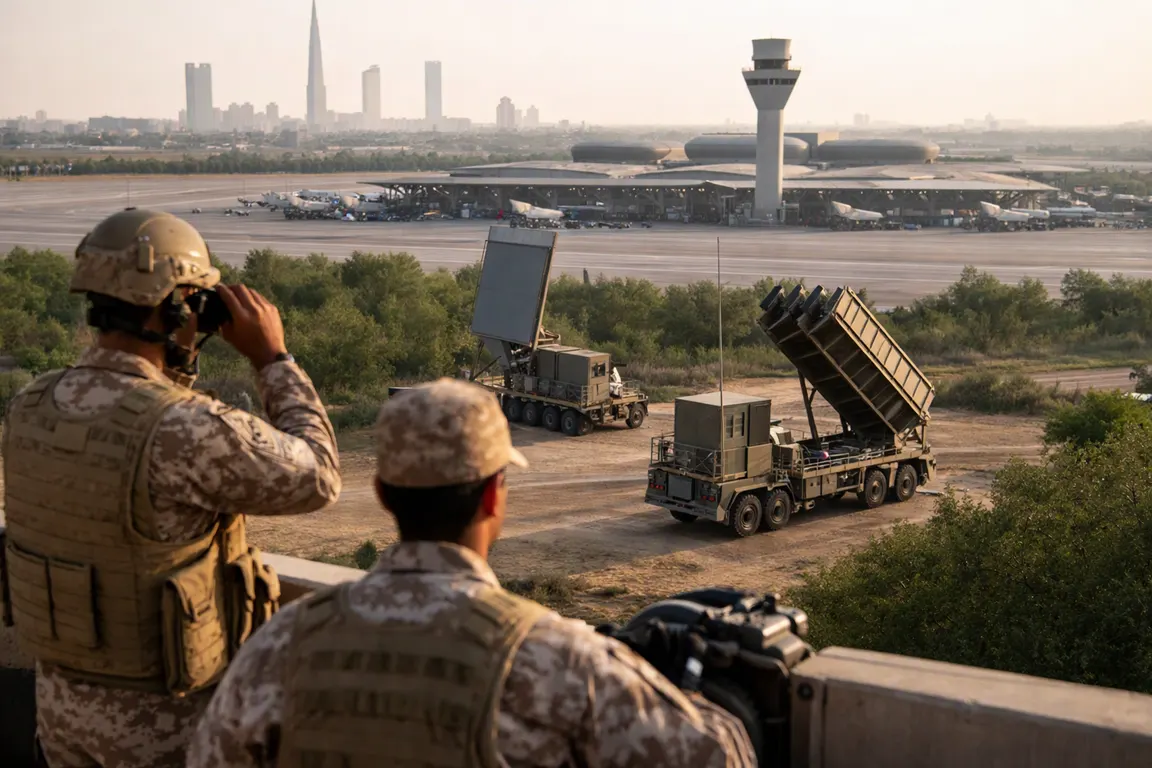
A Riyadh airport missile attack struck King Khalid International Airport on Saturday, Oct. 10, killing at least 12 people and injuring more than 300, Saudi officials said. The blast forced the civil aviation authority to suspend all flights, and flight‑tracking service Flightradar24 reported that about 85% of scheduled departures were cancelled within hours.
The attack is the deadliest on a Gulf state since the Saudi‑Iran conflict escalated in 2023 and raises immediate questions about the effectiveness of the Patriot and NASAMS systems Saudi Arabia relies on to protect critical infrastructure.
Saudi officials quickly blamed Iran‑backed Houthi rebels. A senior Houthi commander, Mohammed al‑Bukhaiti, claimed responsibility, saying the strike was retaliation for recent Saudi airstrikes in Yemen. Riyadh vowed a "firm" response, and satellite imagery showed an increase in Saudi jets targeting Houthi positions in the days that followed.
President Donald Trump said the United States "may" consider joining Saudi strikes, a non‑committal statement that hints at a possible shift toward a more active U.S. role in the Gulf.
The economic impact was swift. The Saudi benchmark index fell up to 1% as investors reacted to the security shock, and shares of Saudi Aramco and the Saudi National Bank slipped alongside the broader market. The World Petroleum Congress, scheduled to convene in Riyadh, faced major disruptions as delegates scrambled to rearrange sessions and many flights were grounded. Thousands of travelers, including business delegations and expatriates from Bangladesh, the United States, Egypt, Jordan, Syria, Sudan and Palestine, were stranded.
Analysts say the missile’s ability to breach Saudi air‑defence layers points to vulnerabilities in detection and interception timelines. Neither the U.S.‑made Patriot nor the European‑supplied NASAMS have publicly reported a successful interception of the projectile. Regional security experts suggest Saudi planners may now prioritize low‑altitude, high‑speed threats and consider adding radar coverage or acquiring newer systems such as Israel’s David’s Sling.
In the short term, Saudi Arabia is likely to tighten air‑space controls around key civilian hubs and accelerate procurement of supplemental air‑defence assets. The defence ministry has announced a review of "all‑hazard" protection protocols for airports and other critical infrastructure.
The European Union, the United Kingdom, Germany and Iraq issued statements urging restraint and calling for diplomatic de‑escalation, underscoring the broader geopolitical stakes.
The coming days will test whether Riyadh’s response remains limited to air strikes in Yemen or expands into a wider confrontation that could draw in U.S. forces. As the kingdom deals with the immediate humanitarian toll and the longer‑term credibility of its security umbrella, the key question is how quickly Saudi Arabia can patch the gaps exposed by a single missile before the region slides into a broader conflict.