

Riyadh airport missile attack forces Saudi flight shutdown
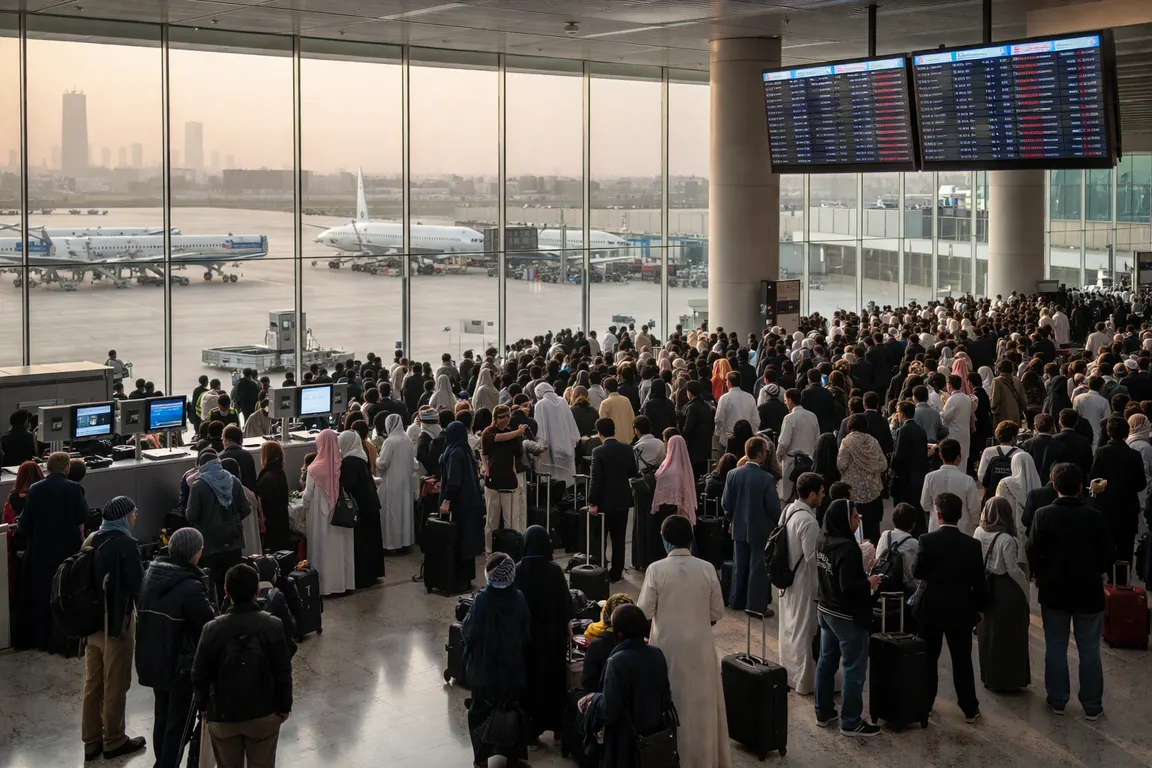
A missile and drone barrage struck Riyadh’s King Khalid International Airport on Monday, 12 October 2026, killing at least 13 people and wounding more than 300. Saudi authorities responded by suspending all commercial flights to and from the airport until at least Saturday, 17 October, leaving thousands of passengers stranded.
The attack exposed a gap in the kingdom’s layered air‑defence system. Patriot batteries and other interceptors that have defended Saudi airspace from Houthi strikes for years failed to detect or engage the mixed salvo of drones, cruise missiles and ballistic missiles launched from over 1,000 km away in Yemen. The Ministry of Defence announced a high‑level probe to examine radar coverage, command‑and‑control communications and rules of engagement. Officials said a report with recommendations on detection upgrades, operator training and possible new missile‑defence platforms will be issued within weeks.
Airlines quickly cancelled services. Gulf Air, Bahrain Air and several others halted flights, causing significant revenue loss and reputational damage. Passengers face rebooking challenges, hotel costs and missed connections. The shutdown also hits Saudi Arabia’s economic diversification plans, as King Khalid International handles a large share of business travel, tourism and cargo that support Vision 2030.
Oil markets reacted briefly. Brent crude rose on concerns that a prolonged airport closure could disrupt Gulf export flows, though the price move was modest. Analysts warned that repeated long‑range attacks could force refiners to reassess inventory strategies and could influence OPEC+ output decisions.
The incident has revived calls within the Gulf Cooperation Council for a joint defence framework. Saudi officials have urged the United States to deepen intelligence sharing and, if needed, provide kinetic support. While U.S. officials have not confirmed a response, the diplomatic discussion remains active.
Hospitals in Riyadh are operating at capacity, treating burns, shrapnel wounds and trauma. Humanitarian groups have organized blood drives and mental‑health assistance, but the scale of casualties strains local resources.
The next steps are clear: the Saudi defence probe will deliver its findings, airlines will coordinate with authorities to resume limited operations, and oil traders will monitor price signals. How the investigation reshapes Saudi air‑defence posture and the extent of U.S. involvement will shape Gulf stability in the weeks ahead.