

Riyadh Airport Explosion Halts Flights and Triggers Alerts
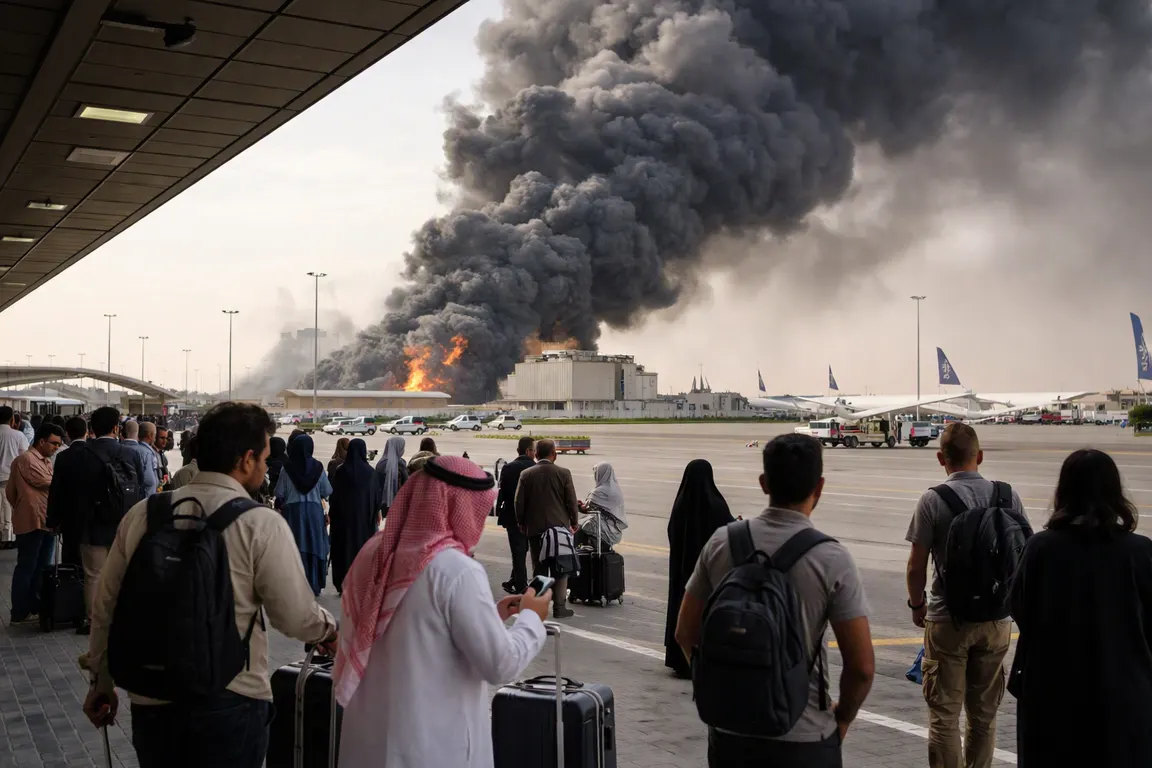
An explosion near King Khalid International Airport on Saturday set fire to an Aramco‑branded fuel tank, filling the sky over Riyadh with thick black smoke and prompting air‑raid alerts across the capital. Saudi civil‑defence issued phone‑based warnings for Riyadh, Jeddah and Yanbu shortly before witnesses heard loud blasts and saw flames erupt from the fuel storage tank. The blaze forced the temporary suspension of arrivals and departures at the airport. Flights were delayed or cancelled for several hours while emergency crews worked to contain the fire and secure the perimeter.
Saudi officials linked the attack to Yemen’s Houthi rebels, who have previously struck Saudi sites with missiles and drones. The Wall Street Journal noted that the kingdom has also faced drone attacks launched from Iraq, underscoring a broader regional threat environment. No official casualty figures or detailed damage assessments have been released.
The incident disrupted passengers and airline crews. Travelers faced prolonged waits, re‑booking challenges and uncertainty about airport safety. Residents near the airport were exposed to smoke and the risk of secondary explosions, prompting local authorities to advise caution and monitor air quality.
The damaged fuel depot raises concerns about short‑term fuel‑supply stability in Saudi Arabia, a key node in the global oil market. While the fire was contained, any prolonged interruption to fuel handling at the airport could affect domestic distribution networks and, indirectly, international oil pricing.
Security forces responded swiftly, deploying firefighting units and sealing off the area. Saudi authorities announced additional inspections of fuel storage facilities and said air‑defence systems are on standby to intercept further aerial threats. The incident has revived discussions about strengthening protective measures for critical infrastructure.
Regional reactions have been muted. Iran has not commented publicly, while Pakistan’s diplomatic outreach to Tehran reflects broader concerns that instability could threaten shared energy corridors. The Houthi claim, though unverified, aligns with their recent pattern of targeting Saudi logistics hubs; the lack of concrete evidence leaves attribution open.
As the airport resumes operations, officials have not provided a timeline for full recovery of flight schedules. The extent of damage to the fuel depot and any lingering safety restrictions will determine how quickly the airport can return to pre‑incident capacity. Analysts will watch oil‑market responses closely; any sign of supply constraints could prompt price adjustments.
The episode underscores how regional conflicts can intersect with civilian infrastructure, turning a routine travel hub into a flashpoint. Ongoing monitoring of Saudi security measures, fuel‑supply chain resilience and diplomatic engagements will be essential to gauge whether this strike is an isolated incident or part of a broader pattern of attacks on energy assets.