

Ratko Mladić death marks end of ICTY high‑profile inmate
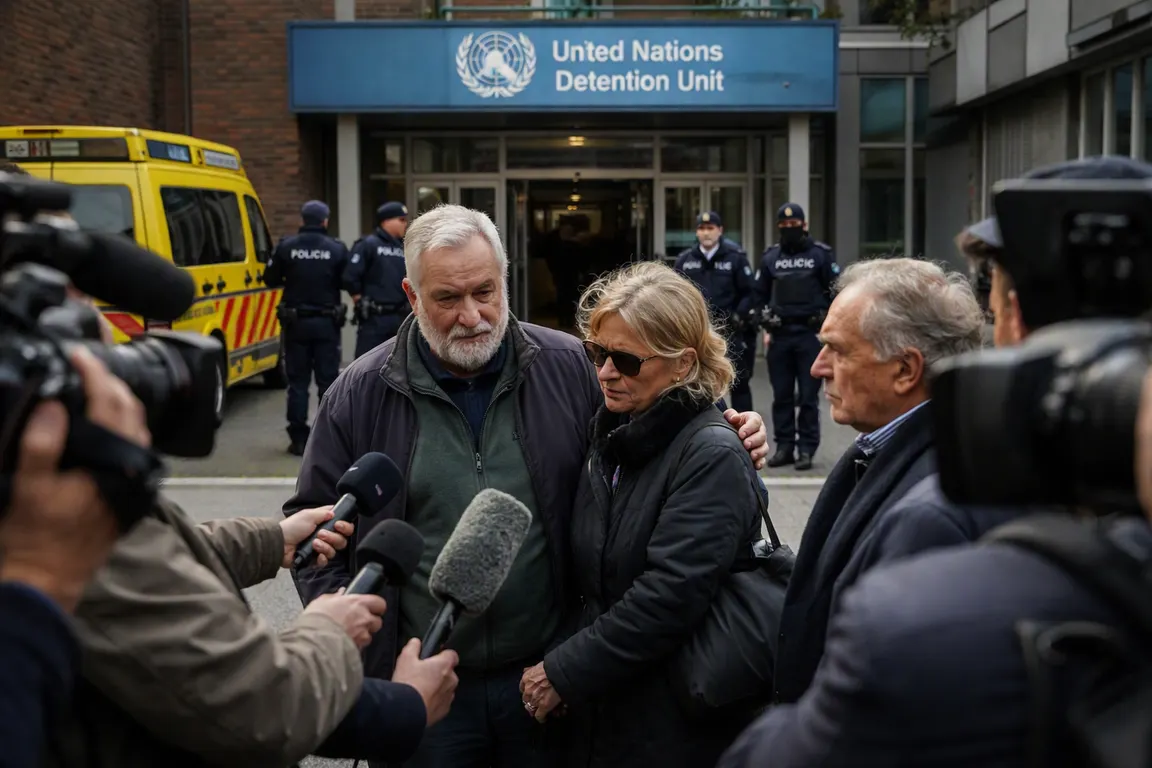
Ratko Mladić, the former Bosnian Serb commander convicted of genocide, war crimes and crimes against humanity, died at age 84 in the United Nations detention centre’s hospital in The Hague, reports said in March 2026. Serbian state broadcaster RTS and a family member speaking to the Associated Press confirmed the news, while UN officials said they could not immediately verify the death, creating a brief information gap.
Mladić’s death marks the end of the last high‑profile inmate from the International Criminal Tribunal for the former Yugoslavia (ICTY). The tribunal formally closed in 2017, and its residual mechanism inherited responsibility for the remaining prisoners, archives and witness protection. With Mladić gone, the residual body now oversees only the legacy of the tribunal.
Born in 1943, Mladić rose to senior command of Bosnian Serb forces during the 1992‑95 Bosnian War. In July 1995 his troops oversaw the Srebrenica massacre, in which at least 8,000 Bosniak men and boys were killed. The ICTY convicted him in 2017 and sentenced him to life imprisonment, to be served at the UN detention centre in The Hague. Over the past nine years he was the sole high‑profile convict; earlier inmates have either been released on health grounds or died.
The delayed UN confirmation of his death has drawn criticism for procedural opacity. Critics argue that the residual mechanism’s slow communication undermines confidence in its custodial responsibilities. No official statement from the UN’s successor body had been released at the time of reporting, leaving victims’ groups without a formal acknowledgment of the end of direct accountability.
For survivors of Srebrenica and other atrocities, Mladić’s death may offer a measure of personal closure, though it does not erase the trauma endured. Victims’ organisations have called for a public commemoration of the victims and a clear UN statement to mark the conclusion of this chapter of international justice. The absence of such a statement risks a symbolic void in the reconciliation narrative.
Politically, the development could be seized upon by nationalist factions in Serbia and Bosnia‑Herzegovina. Some may portray the death as the end of external interference, while others could use it to reinforce narratives of historical victimhood. Analysts caution that without concrete policy shifts, the impact on public discourse will likely remain limited, though the event provides fresh material for political rhetoric on both sides of the border.
The UN’s delayed confirmation also raises procedural questions about the residual mechanism’s communication protocols. The body manages the ICTY’s archives, witness protection and any ongoing legal matters. Whether Mladić’s death will trigger a review of those protocols or prompt a formal closure ceremony remains to be seen.
As the Balkans continue to navigate post‑conflict reforms, the next step will be a formal UN acknowledgment of Mladić’s death and any associated commemorative actions. How the institution balances transparency with security, and how regional leaders respond, will shape the lingering legacy of the ICTY’s work and the broader quest for lasting reconciliation.