

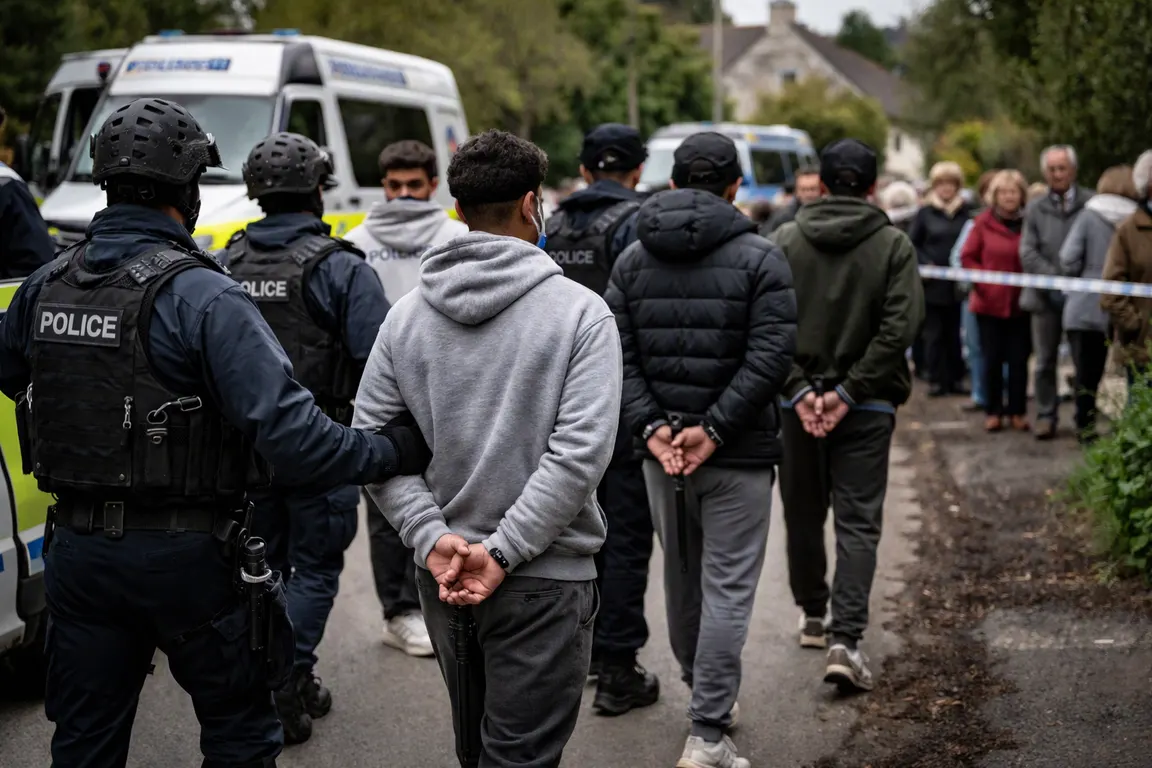
Police arrested five men near the village of Whelford, Gloucestershire, on Sunday after suspecting they were preparing a terrorist act linked to RAF Fairford. The operation forced the evacuation of about 85 homes and displaced dozens of residents.
The men, all in their twenties and London‑based UK nationals, were taken into custody under the Explosives Act, suggesting investigators believed they possessed or intended to use explosive material. The evacuation lasted several hours while local authorities set up temporary accommodation and provided basic support.
On Monday the suspects were re‑detained on suspicion of preparing a terrorist act, a charge that carries a higher evidentiary threshold than the initial explosives allegation. Within hours they were released on police bail; no formal charges have been filed and the bail conditions have not been disclosed.
Local officials expressed concern over the handling of the case. The village’s MP said the incident highlighted gaps in perimeter security around the base and urged greater transparency, while councilors questioned how quickly the suspects were allowed back into the community.
National media have reported speculation about foreign involvement. The Guardian noted that investigators are exploring whether “proxies or individuals working on behalf of a foreign state” could be linked to the plot, naming Iran as a possible actor. The Wall Street Journal emphasized that evidence of a terror motive remains thin, and the BBC reported the legal basis for the arrests without confirming any foreign sponsorship.
Senior police spokespeople said the investigation is still in its early stages and that any decision to name a foreign sponsor will be based on solid intelligence, not conjecture. No concrete evidence tying the suspects to Iran or any other state has been made public.
The episode underscores the challenges security services face when a low‑profile community becomes the front line of a suspected terror plot. It also raises questions about the evidentiary standards required for terrorism charges and the safeguards that protect civil liberties during fast‑moving operations.
Police say the probe will continue to assess the men’s contacts, any material found, and possible links to foreign actors. A further update is expected in the coming weeks as investigators determine whether the plot was home‑grown, state‑sponsored, or a mis‑interpreted hoax. The community of Whelford, still reeling from the evacuation, awaits clear answers that could shape future security protocols around RAF Fairford and similar sites.