

Qatar Calls for Strait of Hormuz Reopening Gulf Tensions
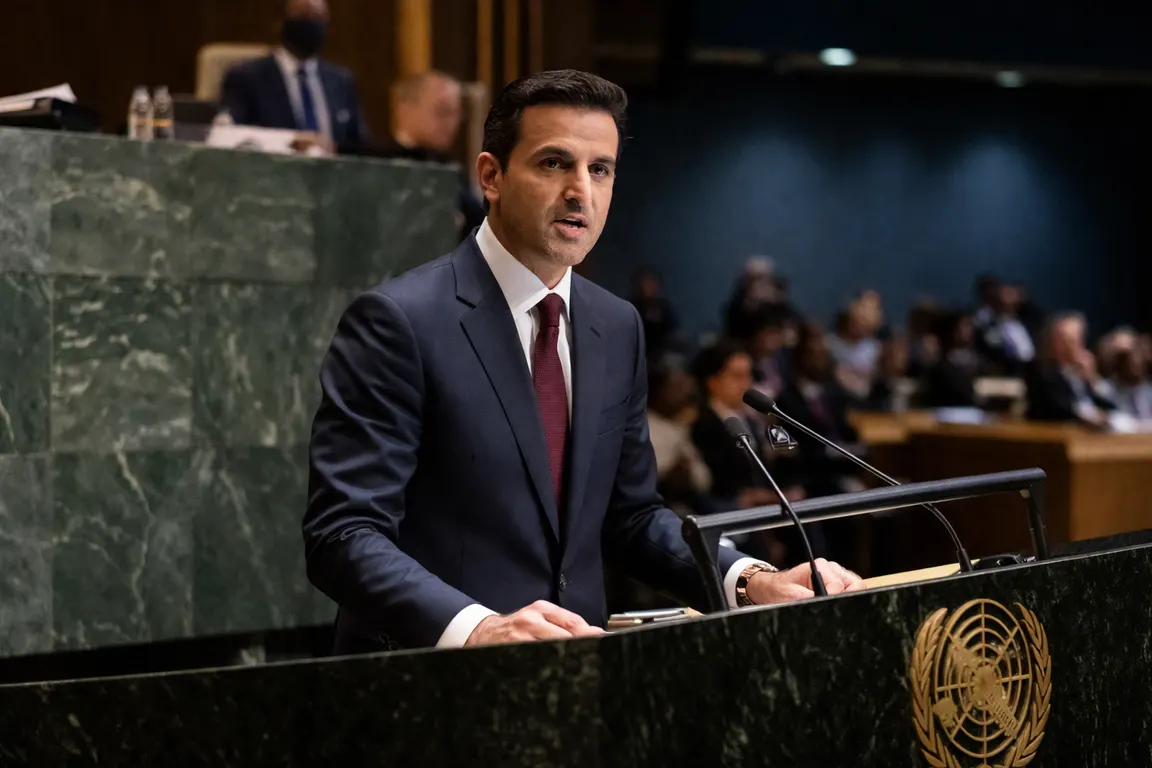
Doha – Qatar’s emir, Sheikh Tamim bin Hamad Al Thani, used his appearance at the United Nations General Assembly on Tuesday to press for an immediate Strait of Hormuz reopening and to reaffirm Qatar’s role as a regional mediator.
He condemned recent Israeli military actions in Gaza and the West Bank and warned that the Gulf is in "one of the most dangerous phases" of conflict, linking the volatility to a lack of diplomatic progress over years.
Sheikh Tamim outlined four points. First, Qatar will continue its mediation efforts, citing its involvement in the 2017 Gulf diplomatic rift and other regional crises. Second, he denounced what he called Israeli aggression across neighboring states. Third, he said the current danger stems from a failure to pursue diplomatic solutions, a lapse that has allowed the U.S.–Israel‑Iran confrontation to widen. Fourth, he urged the swift reopening of the Strait of Hormuz, noting that the waterway carries roughly 20 percent of the world’s oil shipments and that any disruption would reverberate through global markets.
The call comes as oil traders watch the strait closely; even speculation about a closure can trigger price spikes. Shipping firms and maritime workers welcomed the appeal for an open passage, but analysts pointed out that Qatar has not presented concrete mechanisms to achieve it. No formal proposals or diplomatic initiatives were announced, leaving a gap between rhetorical commitment and actionable policy.
Critics argue that attributing the current tension solely to "years of delayed diplomacy" oversimplifies a complex situation. They note that strategic calculations by the United States and Israel, as well as Iran’s regional ambitions, play a more direct role. Reactions from other Gulf states remain unclear, and Israel has not responded to the emir’s condemnation.
For civilians living near potential flashpoints, the diplomatic deadlock raises immediate security concerns. Border communities could face spill‑over violence if hostilities expand, while uncertainty about the strait adds economic risk that could lift fuel prices and affect household costs worldwide.
The next step is likely a series of behind‑the‑scenes talks. Whether Qatar can translate its public statements into concrete engagement with the United States, Israel and Iran will determine the impact of its overture on regional stability and the resilience of global oil supply chains.
If Doha’s diplomatic push gains traction, it could help keep the vital oil artery flowing and reduce the risk of a broader conflict. If it remains rhetorical, the Gulf’s already precarious situation may deepen, with potential repercussions for both security and the world economy.