

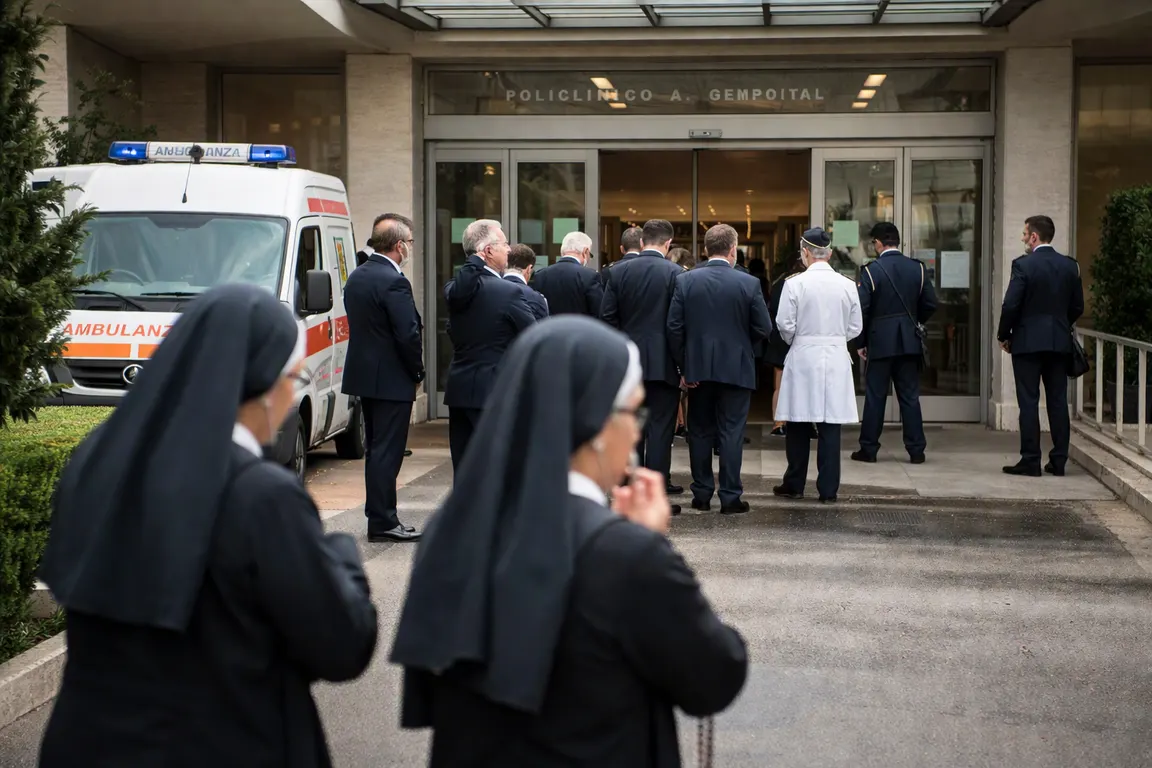
Rome – Pope Francis lung cancer surgery was completed successfully on Tuesday at Rome’s Gemelli University Hospital, where surgeons removed the lower lobe of his right lung. Pathology confirmed lung adenocarcinoma, the most common form of lung cancer. The Vatican press office announced the operation’s success and said all papal audiences are cancelled through Oct. 20. A decision on the planned November pilgrimage to Uruguay, Argentina and Peru is pending.
The procedure lasted about ninety minutes, with a total operating‑room time of roughly three hours. Surgeons also sampled lymph nodes for staging, but the results have not yet been released. The medical team reported no complications and described the surgery as “successful.” No treatment plan has been disclosed; Vatican officials said oncologists are reviewing the pathology report before announcing any chemotherapy, immunotherapy or targeted‑therapy regimen.
Cancelling audiences affects Vatican staff, foreign diplomats and the faithful who rely on regular briefings and personal meetings with the pontiff. The pause forces a reshuffle of dozens of bilateral talks, potentially delaying negotiations on migration, climate policy and other issues. For Catholics worldwide, the loss of a weekly opportunity for prayer and counsel is a noticeable setback.
The November pilgrimage, scheduled for Nov. 6‑17, was intended to mark the 500th anniversary of Catholic missions in South America. Host cities have already invested in security, transportation and hospitality infrastructure, and local economies anticipate a tourism boost. If the trip is postponed or cancelled, hotels, airlines and service providers could face significant revenue shortfalls, and the Vatican will need to coordinate with the governments of Uruguay, Argentina and Peru to manage expectations.
The Vatican’s brief bulletin contrasts with the more detailed coverage offered by some outlets. The Manila Times published an extensive account of the surgical procedure and pathology work, while NBC News and the Wall Street Journal limited their reports to the operation’s success and diagnosis. All sources agree on the cancer diagnosis, but none have confirmed staging data, leaving the Pope’s short‑term prognosis and need for adjuvant therapy uncertain.
Health experts note that early‑stage lung adenocarcinoma can often be treated with surgery alone, but involvement of lymph nodes typically calls for additional therapy. Without the staging results, clinicians cannot predict whether the Pope will require further treatment or how quickly he might return to public duties.
By issuing a rapid, public bulletin, the Vatican has set a tone of openness that public‑health officials say could reduce speculation and misinformation when leaders face serious illness. Vatican medical advisors have said they are consulting specialists and will release a treatment plan once the pathology report is available.
The next steps are clear: await the lymph‑node analysis, finalize a treatment strategy and decide whether the November South American itinerary can proceed. Until then, the Holy See’s diplomatic calendar, the global Catholic community and the economies of the prospective host nations remain in a holding pattern.