

Police evacuate Cotswold village over RAF Fairford plot
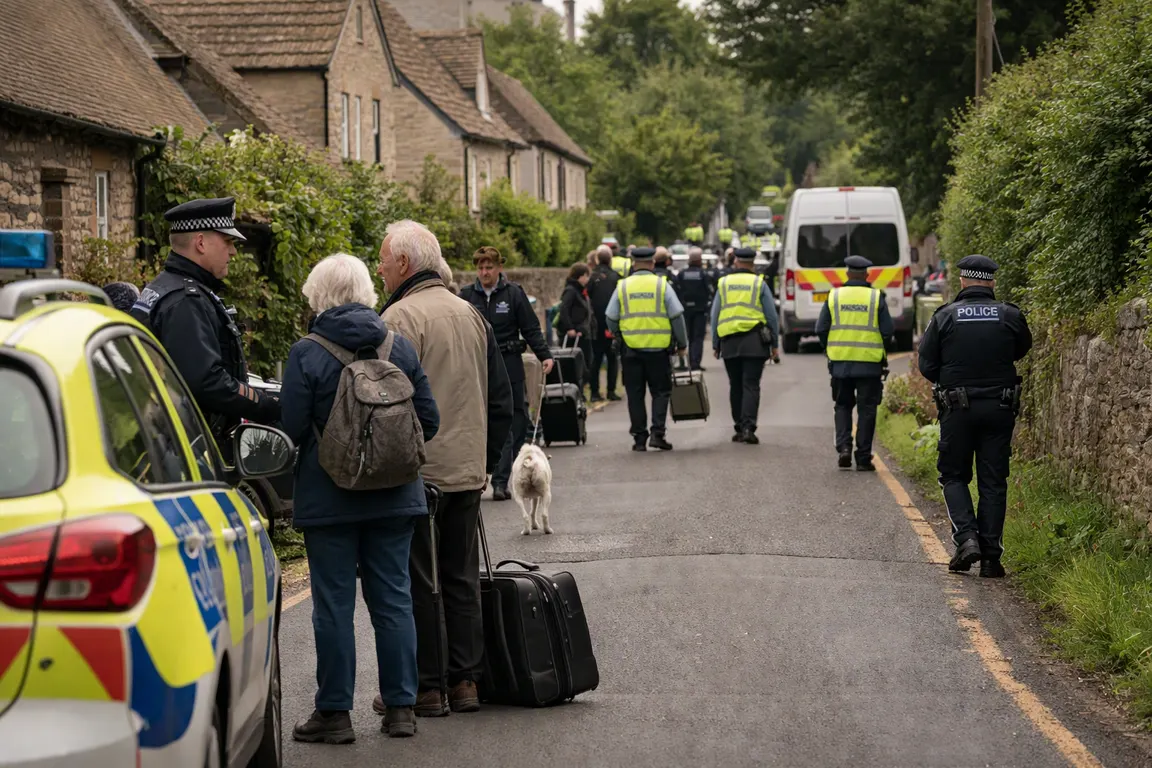
Police evacuated about 85 households in the Cotswold hamlet of Whelford on Sunday after intelligence indicated a coordinated RAF Fairford plot against the nearby airbase, the United Kingdom’s primary hub for United States Air Force bomber operations. The evacuation, which lasted through the weekend, highlighted the strategic importance of the base and raised questions about how terrorism suspects are handled.
Early Sunday, 27 September, officers cordoned off a two‑mile radius around the airfield and moved residents to a local leisure centre. The move followed a tip that a foreign‑backed group planned to attack the base, which is used to launch US bomber missions, including those aimed at Iran. Five men were arrested on suspicion of involvement in the plot.
A magistrate granted bail to all five suspects on Monday, prompting a public comment from US Senator Marco Rubio, who said a “foreign actor” was behind the scheme and expressed concern that the releases would disturb the public. UK officials have not identified the alleged foreign sponsor, and no government spokesperson has offered further detail.
For Whelford residents, the disruption was immediate. Families were displaced, local shops lost foot traffic and anxiety rose sharply. The leisure centre provided temporary accommodation, meals and basic services while police assessed the threat. By Tuesday, officers deemed the immediate danger reduced and began allowing residents to return, though some households said security checks continued and normalcy was slow to return.
The bail decision has sparked debate over the handling of terrorism suspects in the UK. Critics argue that releasing individuals accused of plotting against a high‑value military installation undermines public safety. Legal experts note that bail is a standard right unless a court finds a clear risk of further offence or flight.
The incident also underscores the transatlantic dimension of UK‑US security cooperation. While the rapid police response suggests effective intelligence sharing, the lack of a public attribution of the foreign actor points to possible diplomatic sensitivities or gaps in joint assessments. Analysts warn that any perceived weakness in protecting RAF Fairford could affect future defence contracts and the broader strategic partnership.
Operationally, RAF Fairford saw no flight cancellations, but heightened security measures are expected to remain in place, potentially increasing costs and limiting bomber deployment flexibility. Military officials have not disclosed changes to flight schedules, but the episode is likely to prompt a review of perimeter security and contingency planning.
As displaced residents settle back into their homes, investigators continue to probe the suspects’ connections and the wider network behind the alleged plot. A formal court hearing on bail conditions is scheduled, and a detailed threat assessment for the base is underway. The outcome will shape community confidence in local policing and influence the durability of the US‑UK defence relationship.