

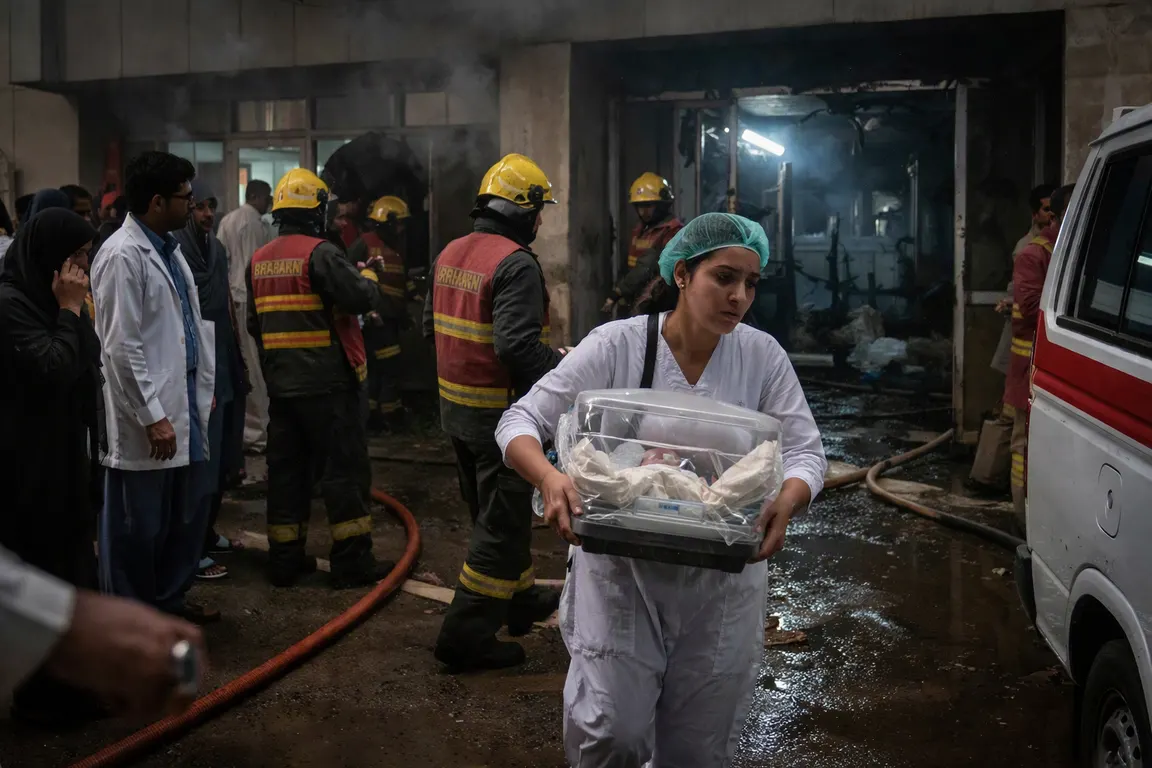
A fire broke out early Wednesday in the neonatal ward of the Pakistan Institute of Medical Sciences (PIMS) in Islamabad, killing 14 newborns and rescuing one infant alive. The PIMS neonatal ward fire highlighted serious safety gaps in the country's largest public hospital and triggered an immediate emergency response.
The ward held 15 infants when the blaze started. Staff tried to evacuate the babies; one was removed alive while the others perished. Officials said the fire began inside the maternity unit, but have not disclosed whether an electrical fault, kitchen mishap or another source caused it. Emergency crews arrived quickly, yet details about response times and the condition of fire‑suppression equipment remain unclear.
The Ministry of Health issued a brief statement confirming the death toll and pledging a full investigation. No senior political figures were quoted, and no specific policy changes have been announced. The lack of immediate, detailed accountability has amplified public outcry and intensified scrutiny of safety protocols that have long been considered inadequate in many government hospitals.
Pakistan’s health infrastructure is already strained by chronic under‑funding, overcrowded facilities and outdated building codes. Prior inspections of PIMS did not reveal major safety violations, yet the neonatal area lacked fire alarms, sprinkler systems and clear evacuation routes, suggesting systemic oversight gaps. A 2018 fire at a Lahore hospital that injured patients and staff prompted limited reforms, leaving many facilities vulnerable.
Families of the deceased infants now face profound grief and the prospect of legal action. Hospital administrators have not disclosed what support, counseling or compensation will be offered, a point that advocacy groups say must be addressed promptly. Staff who fought the blaze are likely to undergo inquiries as investigators examine whether safety drills were conducted and whether emergency equipment was functional.
Health policy experts warn that without a comprehensive overhaul, the risk of repeat incidents remains high. “The PIMS fire is a symptom of broader neglect,” said Dr. Ayesha Khan, a public‑health researcher at Quaid‑i‑Azam University. “A thorough audit of fire‑safety standards across all public hospitals, coupled with enforceable building‑code upgrades, is essential to prevent further loss of life.”
The ministry’s probe will need to move beyond identifying the immediate cause and address structural weaknesses that allowed the fire to spread unchecked. Key questions include why fire detection systems failed to alert staff in time, whether staff received adequate training for neonatal evacuations, and how budget allocations for safety upgrades are prioritized.
As the nation mourns the newborn victims, the incident is likely to reignite debates over health‑infrastructure funding and regulatory enforcement. Stakeholders await the investigation’s findings, which could shape future legislation on hospital safety standards and trigger a reallocation of resources toward modernizing Pakistan’s public health facilities. Until then, the silence surrounding the fire’s origin and the hospital’s preparedness remains a stark indictment of a system in need of urgent reform.