

Pentagon senior officer cuts amid Iran conflict
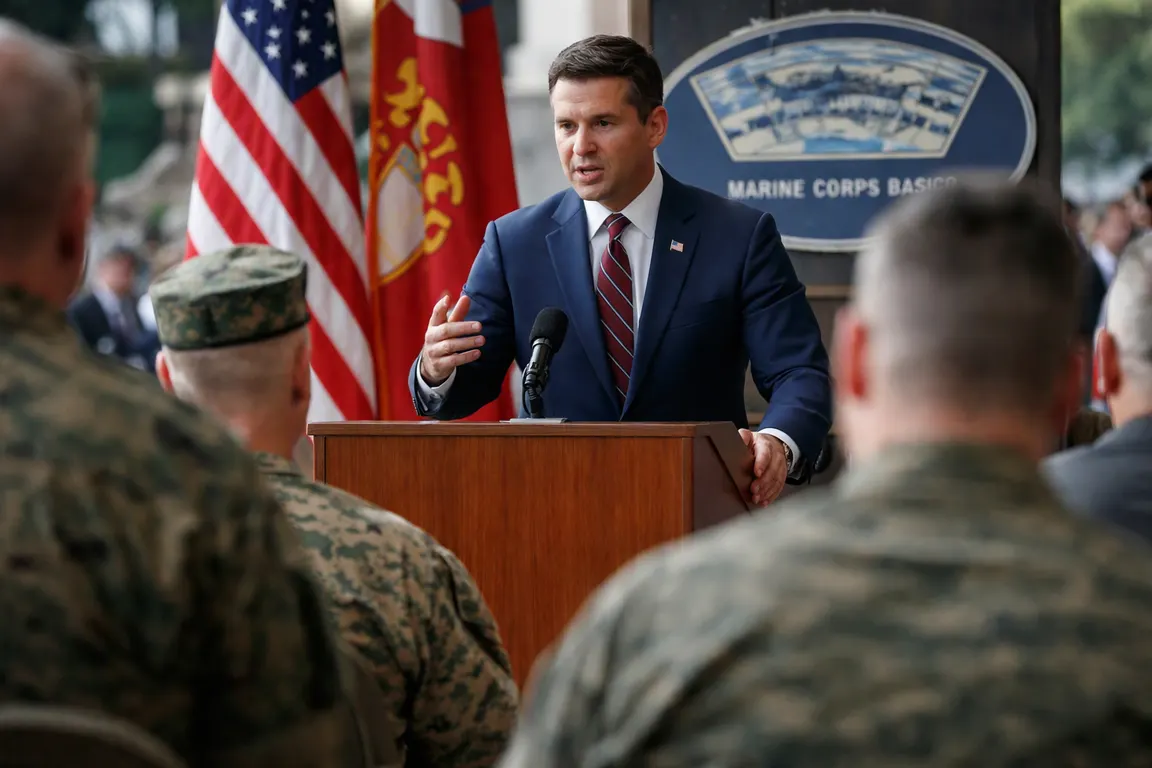
Defense Secretary Pete Hegseth will announce Wednesday at Marine Corps Base Quantico that the Pentagon plans to eliminate as many as one‑fifth of its general and admiral billets. The proposal, outlined in his State of the Force address, would affect hundreds of senior officers while the United States enters its seventh month of combat operations against Iran.
The cuts raise immediate questions about command continuity, promotion pipelines and operational readiness. With U.S. forces engaged in sustained combat across the region, reducing the senior‑leadership tier could strain the chain of command and impact the thousands of service members whose careers depend on those positions.
Multiple reports indicate the reduction could reach 20 percent of existing senior billets, roughly double earlier expectations. The Washington Post estimates that “hundreds” of current and rising generals and admirals could see their positions eliminated or be forced into early retirement. The announcement follows recent high‑profile dismissals, including Army Chief of Staff Gen. Randy George in April and Joint Chiefs Chairman Gen. Charles Brown Jr. and Admiral Lisa Franchetti shortly before the war began.
Pentagon officials have not disclosed how the cuts will be implemented or what criteria will guide the selection of positions. Sources cited by the Manila Times and Al Jazeera confirm the announcement will be made in Hegseth’s address, but no official timeline for the actual removal of posts has been released. ABC News described the plan as “unclear” in terms of execution, and the Pentagon declined to comment to AFP.
If enacted, the reductions could create gaps in senior‑level decision‑making. Mid‑level officers and enlisted personnel may experience increased turnover in command, potentially affecting unit cohesion and the planning of ongoing operations against Iran. Defense contractors could also feel ripple effects; shifts in senior leadership often bring changes to acquisition priorities, which may alter procurement schedules for weapons systems currently deployed in the theater.
The broader defense workforce—about 1.3 million active‑duty members—could see morale pressures as career pathways become less certain. Promotion boards that traditionally rely on a steady flow of senior vacancies may face bottlenecks, delaying advancement for officers who have served throughout the conflict. While the Pentagon has not outlined safeguards to protect operational readiness, senior leaders have historically emphasized continuity of command as a core principle of military effectiveness.
The proposal arrives amid reports of higher base damage and weapons losses than previously disclosed, suggesting that the war is already testing the services’ logistical and material capacities. Critics argue that trimming the senior ranks now could exacerbate those stresses, while supporters contend a leaner command structure may improve agility and reduce bureaucratic overhead.
The next step will be a formal briefing to the Joint Chiefs and service secretaries, after which the Department of Defense is expected to issue detailed guidance on the phased removal of positions. Until that guidance is published, the scale of the impact on ongoing operations and individual careers remains uncertain.