

Pentagon Mulls MOAB Strike on Iran Energy and Nuclear Sites
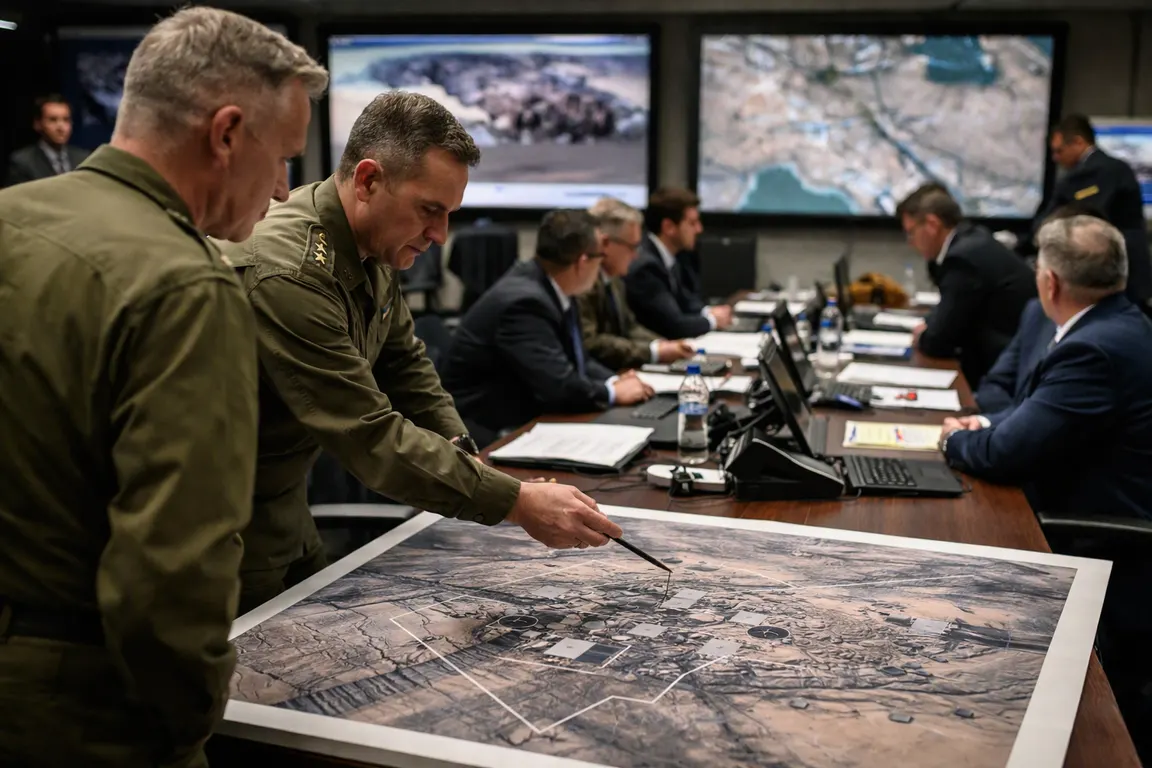
U.S. officials told reporters the Pentagon is drafting operational plans to use the GBU‑43/B Massive Ordnance Air Blast, the military’s largest conventional bomb, in a MOAB strike Iran scenario targeting energy infrastructure and a nuclear enrichment facility. The plan remains under consideration and has not received final approval.
The proposal comes as the Iran‑U.S. conflict entered its 230th day on Oct. 15, 2026, and President Trump’s approval rating slips ahead of the November midterm elections. Lawmakers and voters are watching closely because a MOAB strike could alter the war’s trajectory, raise the risk of civilian casualties, and affect global oil markets.
According to unnamed officials briefed by CNN, Pentagon planners are evaluating options that would target key oil refineries and a nuclear site in Iran’s southwest. The GBU‑43/B, first used in Afghanistan in 2017 against ISIS tunnels, weighs about 21,600 pounds and delivers a blast equivalent to 11 tons of TNT. Military analysts cited by the Manila Times note the bomb’s large blast radius could damage surrounding civilian infrastructure, and its penetration depth is limited against hardened underground facilities. One analyst described the MOAB as “more of an information‑operation weapon than a precision tool for deep targets.”
The strategic calculus appears to be shifting from the economic‑pressure campaign the United States has relied on since the summer of 2025 toward kinetic options. Some defense officials argue a high‑profile strike could signal resolve and push Tehran back to the negotiating table. Critics counter that the weapon’s effectiveness against deep‑buried nuclear sites is uncertain and that any civilian harm could inflame anti‑U.S. sentiment, complicating diplomatic efforts.
Iranian officials, including Parliament Speaker Mohammed Bagher Ghalibaf, have pledged to endure a prolonged conflict, invoking the Iran‑Iraq war as a benchmark. Humanitarian groups warn that a MOAB strike on energy facilities could cause large‑scale casualties, displace tens of thousands and overwhelm local medical capacities.
For U.S. voters, the issue is becoming a litmus test of the administration’s foreign‑policy leadership. Polls cited by ZeroHedge show the war is “deeply unpopular” among the electorate, and any escalation could further erode the president’s already low approval rating ahead of the midterms. Lawmakers on the House Armed Services Committee are expected to request a briefing on the MOAB plan in the coming weeks, though the Pentagon has not issued an official statement confirming a decision.
Global oil markets are also sensitive to the news. Analysts at major energy firms say a credible threat to Iranian production or the Strait of Hormuz could push Brent crude above $100 a barrel as traders price in heightened supply risk. However, the lack of a concrete timeline for deployment leaves the market in a state of speculation.
The next steps remain unclear. The Pentagon must secure approval from senior civilian leadership, likely the Secretary of Defense and the president, before any strike can be ordered. Until those authorizations are granted, the MOAB remains a draft scenario, highlighting the intersection of military planning, domestic politics and humanitarian stakes in a war that has stalled for more than seven months.