

Pentagon livestream execution plan clashes with Vatican
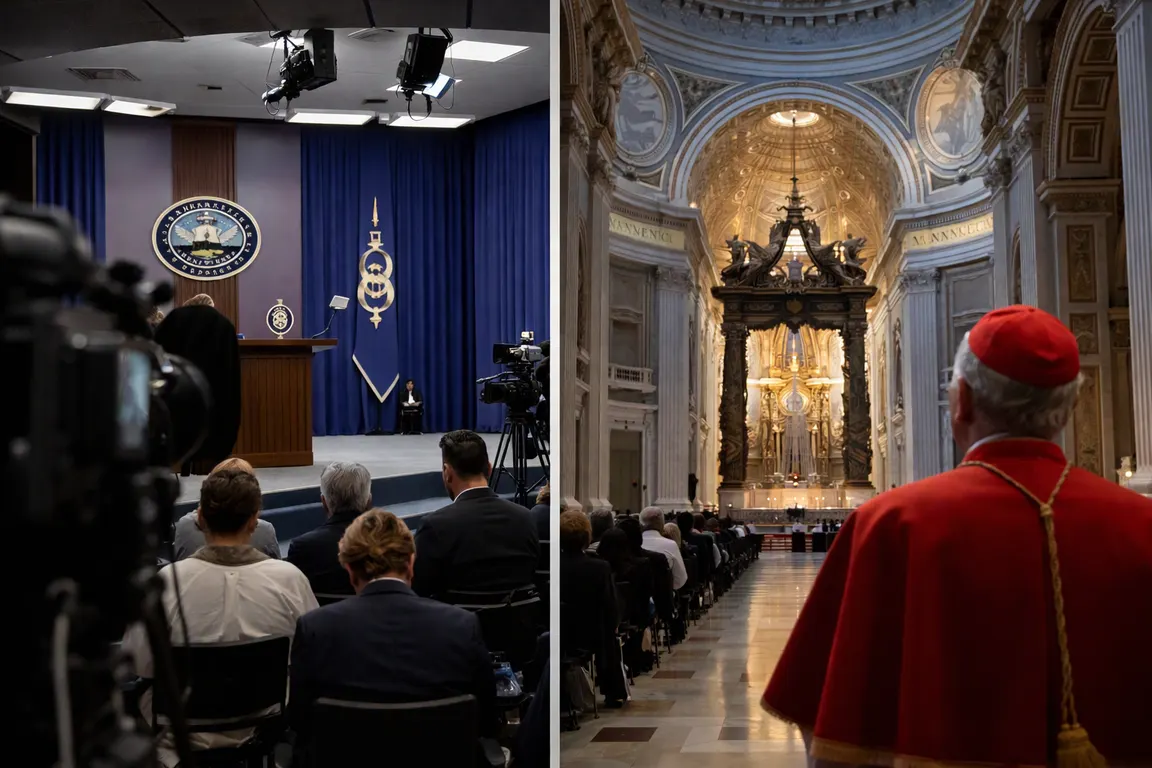
The Pentagon announced a plan for a Pentagon livestream execution of former Army major Nidal Malik Hasan, the Fort Hood shooter sentenced to death, and said the firing‑squad execution could be broadcast live.
Vatican officials responded a day later, condemning any livestream as inconsistent with the dignity of human life. Pope Francis reinforced the stance with a social‑media post calling the death penalty "inadmissible" and an attack on human dignity.
Hasan, convicted of killing 13 people and wounding 32 at Fort Hood, would be the first person executed by firing squad in the United States since the 1970s. The Pentagon has not disclosed how the livestream would be delivered, who could view it, or whether content warnings would be issued.
The Vatican’s statement builds on Pope Francis’s 2013 remarks that the death penalty is an "anachronistic practice." By labeling it inadmissible, the Pope extends the moral argument to contemporary U.S. executions, implicitly questioning the propriety of making a state‑sanctioned killing public.
Legal scholars note that broadcasting an execution raises First Amendment and due‑process concerns. They argue a live feed could infringe on the condemned’s privacy and retraumatize victims’ families, while media platforms might face scrutiny from civil‑rights groups.
Proponents claim transparency could demystify the process and deter secretive practices. Critics counter that any public display of execution undermines the dignity of the person and could fuel a "spectacle" mentality.
Stakeholders include Hasan’s family, the families of Fort Hood victims, religious leaders, advocacy groups and lawmakers. While the Vatican’s condemnation carries moral weight, it does not directly affect U.S. law, which remains under the jurisdiction of state legislatures and the federal government.
The execution date has not been set, and the Pentagon has offered no timeline for the livestream rollout. As the planned broadcast approaches, the clash between a government claim to transparency and a global religious authority’s call for dignity is likely to shape the next phase of the national debate on capital punishment.
Whether the Vatican’s stance will translate into measurable policy changes or shift public opinion remains uncertain, but the convergence of a live‑streamed execution and a high‑profile papal pronouncement ensures the issue will stay in the public eye.