

Pentagon livestream execution of Nidal Hasan raises policy
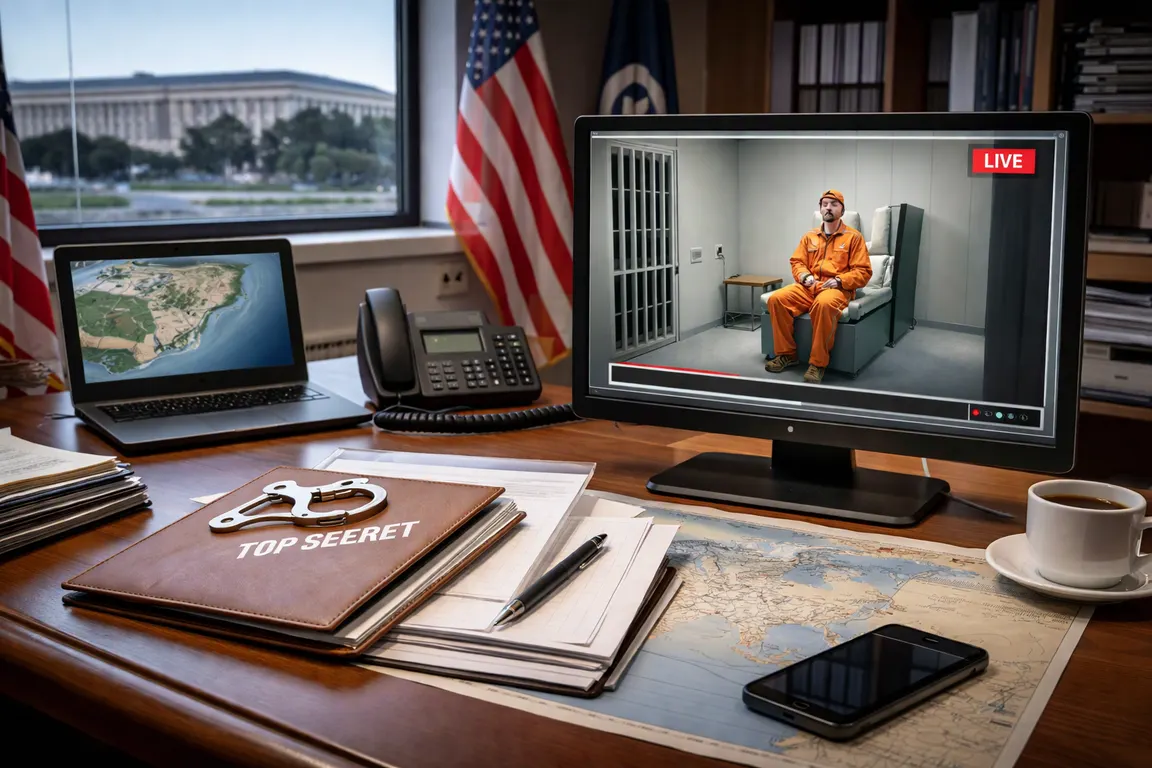
The Pentagon will broadcast a firing‑squad execution of former Army psychiatrist Nidal Hasan on Dec. 3, marking the first U.S. military execution by firing squad since 1945. The Pentagon calls the Pentagon livestream execution a transparency measure, while critics argue it could spread graphic state‑sanctioned violence.
Hasan, who killed 13 soldiers and wounded more than 30 at Fort Hood in 2009, was sentenced to death by a military court. Defense Secretary Pete Hegseth and Pentagon officials say the feed will be limited to official Pentagon sites, reducing the risk of unauthorized redistribution. Homeland Security Secretary Markwayne Mullin told CBS’s “Face the Nation” the livestream poses no heightened security risk.
Australian leaders have pushed back. Greens Senator Sarah Hanson‑Young called the plan “barbaric” and urged the government to block Australians from accessing the stream. The Australian Communications and Media Authority said it could order internet service providers to filter specific URLs, but blocking a live feed hosted on U.S. government servers would require cooperation that has not yet been secured. Legal scholars note that the Broadcasting Services Act does not clearly cover foreign state‑run content, leaving a regulatory gap.
U.S. officials argue that limiting the feed to official sites reduces the chance of unauthorized redistribution. Analysts counter that once a video is online, it can be captured, re‑uploaded and shared on platforms beyond U.S. jurisdiction, creating a potential tool for extremist propaganda.
Social‑media companies have received requests to apply geo‑blocking or add content warnings. Representatives from two major platforms said they are reviewing the Pentagon’s request but have not committed to a specific solution. Implementing a block for Australia alone would require coordination with local regulators and could set a precedent for handling future state‑produced violent content.
Mental‑health professionals warn that exposure to graphic, state‑sanctioned violence can exacerbate trauma, especially for veterans and individuals with anxiety disorders. The Australian Medical Association’s spokesperson emphasized the need for clear warnings and optional filters, noting that sudden exposure to such imagery can have lasting psychological effects.
As Dec. 3 approaches, the United States has not indicated any change to its livestream plan. Australian authorities continue to explore technical and legal avenues to limit access, while media platforms weigh the cost of compliance against reputational risk. The episode highlights the growing tension between digital sovereignty and the global reach of state actions, and may spur new international discussions on how to manage the flow of state‑produced violent content.