

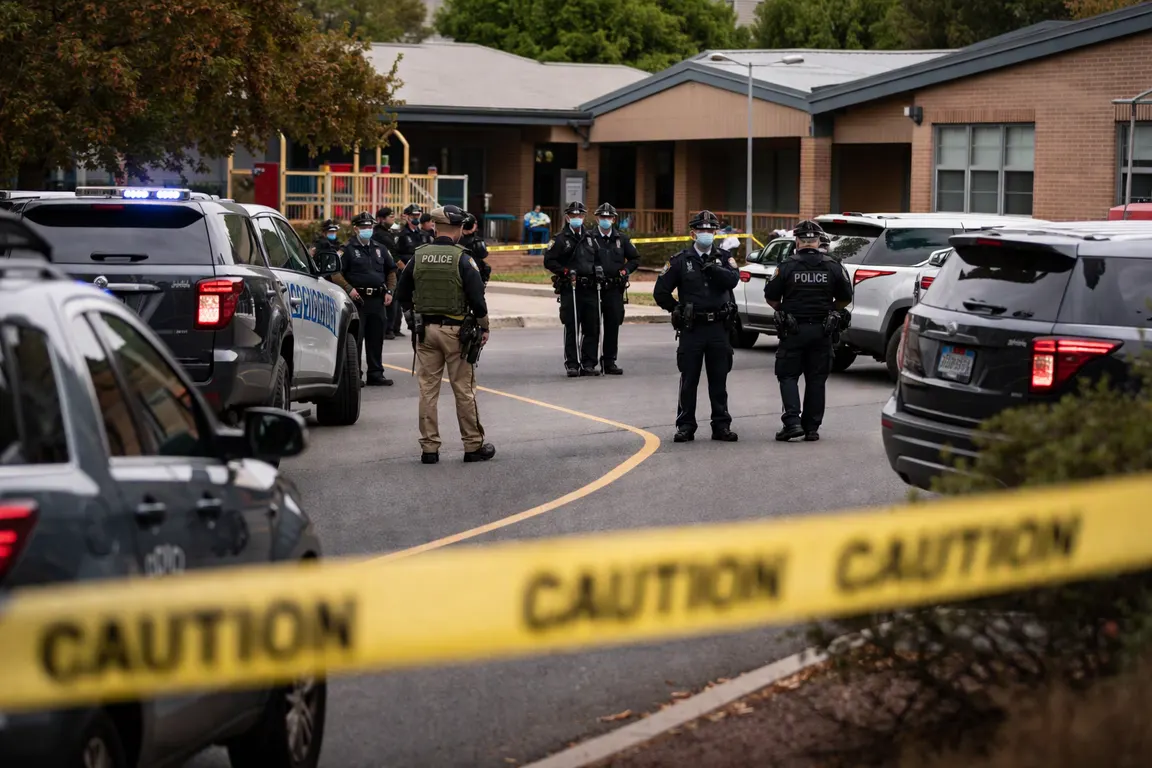
A 16‑year‑old male opened fire at Silver Rail Elementary in Bend, Oregon, at about 1:00 p.m. Thursday, killing three children—ages five, eight and eleven—and a teacher. Seconds after the first shots, an unidentified community member chased the shooter into a hallway and fired the round that ended the attack, halting the Oregon school shooting.
Police said the suspect used a long‑gun to fire through locked classroom doors, breaching the school’s perimeter quickly. Officers arrived at roughly 1:02 p.m., found the shooter already engaged, and secured the building after the civilian’s shot stopped the gunfire. District spokesperson Sheila Miller confirmed the suspect was down within minutes and that lockdown procedures were lifted shortly thereafter.
Students were escorted onto buses and taken to a reunification site while medics transported at least two injured individuals to a local hospital; their conditions have not been released. The school has not announced immediate policy changes, but the district released a statement saying it will review “all aspects of our safety protocols.”
The incident comes as the Gun Violence Archive records more than 360 mass shootings in the United States in 2023, renewing debate over school‑security funding and training. Media outlets have identified the shooter’s civilian interrupter only as a “local community member.” Officials have not confirmed the person’s identity, background, training or legal status of the firearm, and police have said no legal review has been initiated.
The teen’s use of a long‑gun to fire through locked doors highlights a vulnerability in many schools that rely on simple lock‑and‑key methods. In response, Oregon school officials are expected to convene emergency‑response teams to assess physical barriers, access control and active‑shooter drills. The Bend Police Department has pledged to work with the district on a comprehensive safety audit, though specific recommendations have not yet been made public.
The civilian intervention has reignited the longstanding debate over armed bystanders. Advocates argue the quick action prevented further loss of life, while critics warn that reliance on untrained individuals poses legal and safety risks. Oregon lawmakers have not announced any legislative response, but the shooting is likely to influence upcoming discussions on concealed‑carry policies and school‑security funding.
Families of the four victims now face an unimaginable loss, and surviving students will receive counseling as the community processes the trauma. Residents of Bend are left questioning how schools can balance openness with protection without depending on chance heroics.
Investigators continue to piece together the timeline. The next steps will include a formal review of Silver Rail’s security infrastructure, potential revisions to statewide safety guidelines, and a clearer understanding of the civilian’s role in the incident. The outcomes will shape how schools across the region prepare for future threats and whether armed civilian response will be viewed as a viable supplement to professional law‑enforcement action.