

Oleshky ceasefire opens aid window amid starvation
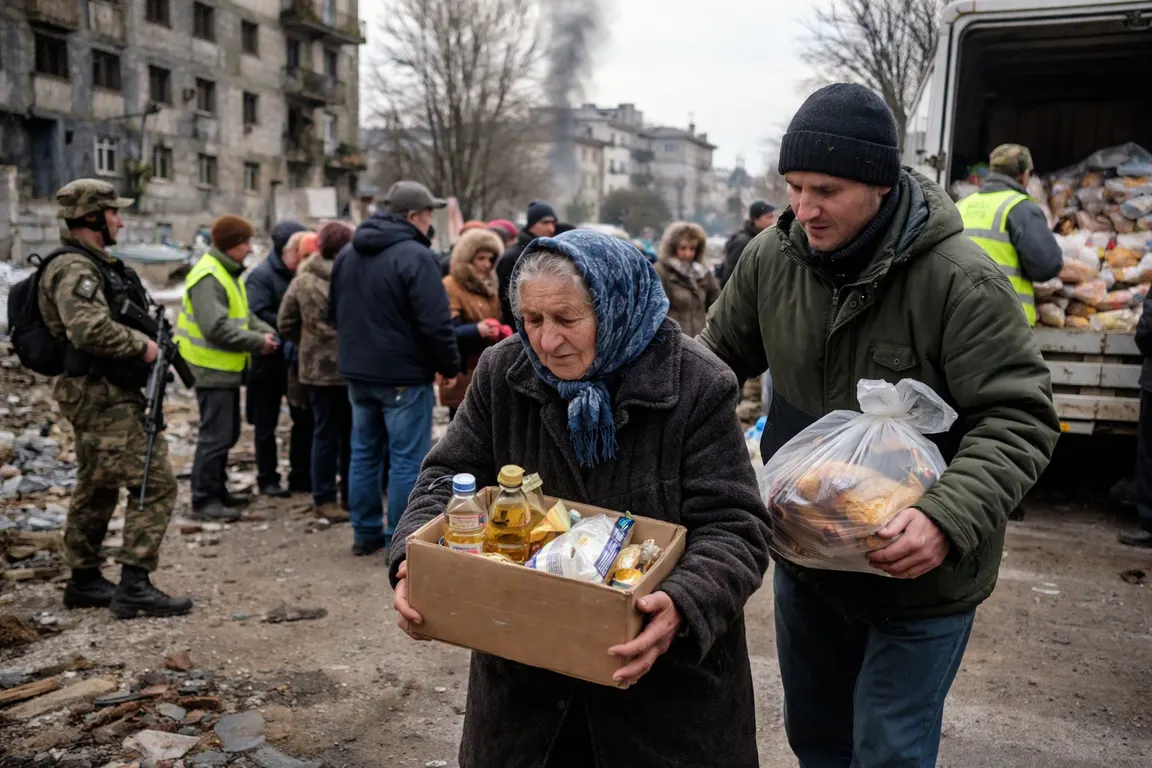
The White House announced Friday that Russia and Ukraine have agreed to an Oleshky ceasefire, set to begin on Oct. 29. The pause is intended to allow humanitarian deliveries and the evacuation of civilians who have been living without reliable food, water and electricity for months.
Oleshky’s humanitarian situation has reached a breaking point. Residents say water is rationed to a few buckets a day, power outages last weeks, and many are forced to eat garden weeds to survive. Without an immediate halt to fighting, the city’s several thousand inhabitants face imminent starvation and a collapse of basic services.
Russian forces seized Oleshky in the spring of 2022, and the city has remained a flashpoint in the wider conflict. Over the past year, aid convoys have repeatedly been turned back, and the United Nations has warned that the civilian population is on the brink of catastrophe. The new local cease‑fire, confirmed by both Ukrainian and Russian officials, applies only to Oleshky and does not extend to other parts of the front line.
Former First Lady Melania Trump publicly claimed she helped secure the agreement, and the White House referenced her statement in its briefing. Neither the administration nor the Ukrainian and Russian delegations provided details about her involvement, and independent verification of her role is lacking. The Independent and the BBC noted the personality‑driven claim, while The Guardian and Al Jazeera focused on operational uncertainties, including the exact timing of the cease‑fire’s implementation.
Humanitarian NGOs say even a brief window could enable the delivery of food parcels, medical supplies and clean water to thousands of people who have been surviving on limited rations. Evacuation plans are being drafted, but officials have not disclosed how many civilians can be moved before the pause ends. The duration of the truce remains unspecified, leaving aid groups to prepare for rapid deployment once hostilities cease on the agreed date.
The development does not signal a broader national cease‑fire or any shift in overall war strategy. It is a localized, tactical pause aimed at averting a humanitarian disaster in one city. Analysts warn that if the truce collapses, Oleshky could slip back into acute deprivation, undoing any gains made during the brief respite.
International monitors will watch the Oct. 29 start closely, and the United Nations has called for a clear timetable and verification mechanisms to ensure the cease‑fire holds. Should the pause prove effective, it could serve as a model for similar local agreements elsewhere, but any extension will depend on the willingness of both sides to maintain the silence and on the ability of aid agencies to move quickly enough to meet the urgent needs of Oleshky’s residents.