

Oleshky ceasefire faces timing gaps and verification doubts
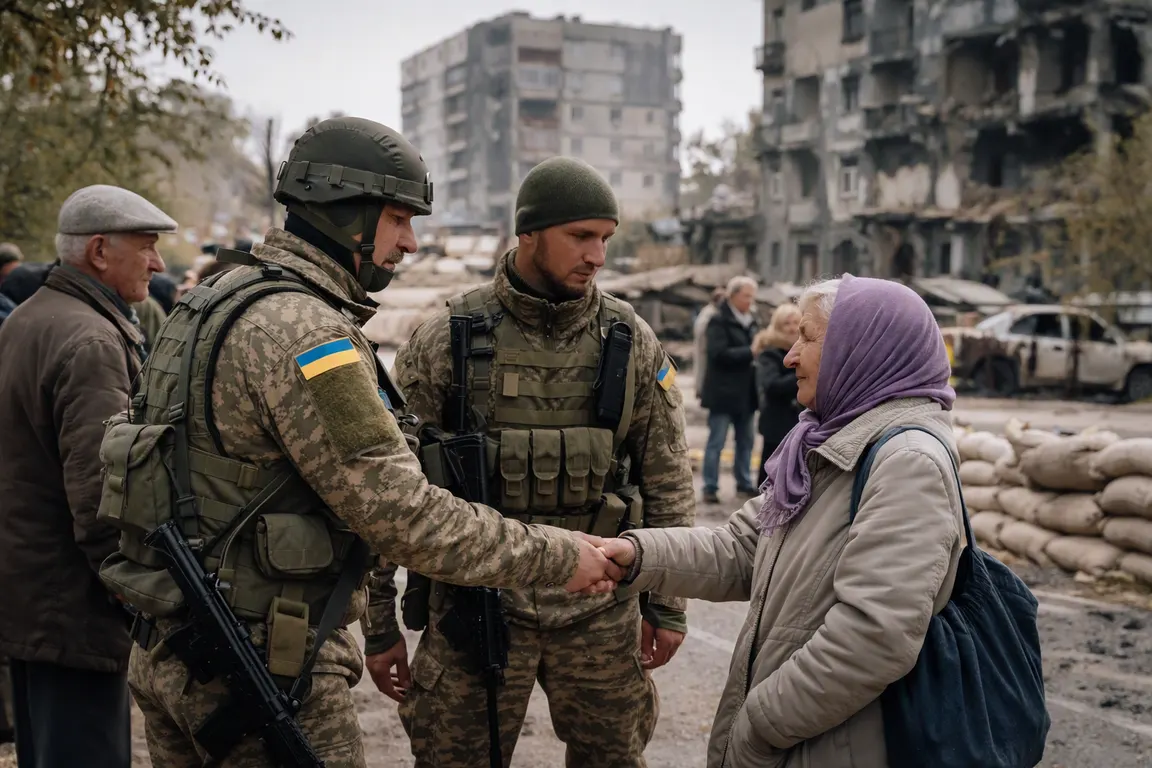
Melania Trump said on Oct. 23 she had brokered a localized Oleshky ceasefire for the Ukrainian town of Oleshky, and the White House confirmed the truce would begin on Oct. 29. Russian General Valery Gerasimov, however, announced that Russian forces would halt fire two days earlier, at 4 a.m. Moscow time on Oct. 27. The conflicting start dates and the lack of on‑the‑ground reporting have raised questions about whether the agreement will deliver real humanitarian relief for the roughly 2,000 civilians still trapped in the war‑scarred town.
The truce is meant to create a window for aid convoys and to evacuate the remaining residents, most of them elderly and about 50 children, from Oleshky in the Kherson region. Both Russian and Ukrainian military leaders have pledged to observe the ceasefire for humanitarian purposes, and an American media crew has been slated to document the process. Newsmax claims exclusive camera access, but no independent observers or UN monitors have been named.
Oleshky was seized by Russian troops in 2022. Its pre‑war population of roughly 24,000 has been reduced to an estimated 1,700‑2,000. Infrastructure is severely degraded, and access to food, medicine and safe transport remains limited. If the ceasefire is implemented as described, it could provide a critical lifeline for those who have endured months of shelling and shortages. Humanitarian NGOs, however, face significant logistical hurdles, including de‑mining roads, securing transport and coordinating with both military commands to ensure safe passage.
The diplomatic backdrop is unusual. Since October 2025, Melania Trump has claimed a private communication channel with Russian President Vladimir Putin and has previously said she helped reunite 30‑34 children separated by the conflict. Her latest claim follows a recent U.S. policy shift that includes a diesel trade deal with Russia and a pause on new sanctions, suggesting a broader recalibration of Washington’s approach to Moscow.
Key uncertainties remain. The White House’s Oct. 29 start date conflicts with Gerasimov’s Oct. 27 timeline, creating a two‑day window in which fighting could continue and aid deliveries could be delayed. Kremlin spokesman Dmitry Peskov praised Melania’s role, but Ukrainian officials have offered no details on how their side will execute evacuations or verify compliance. While Melania said evacuees could choose to move toward Russian‑held or Ukrainian‑held territory, the Kremlin has not confirmed the destinations, leaving families unsure of their options.
Monitoring mechanisms are vague. The plan calls for civilian leaders from both sides to visit homes and for an American media crew to document the effort, yet no third‑party observers have been mentioned. Without independent verification, any violations could go unreported, undermining confidence in the truce.
The episode tests whether ad‑hoc, personality‑driven diplomacy can produce measurable outcomes in a protracted war. If the ceasefire enables the delivery of food, medical supplies and the safe departure of vulnerable civilians, it could set a precedent for future localized truces. If logistical and verification gaps persist, the agreement may remain a symbolic gesture with limited effect.
The first humanitarian convoy is scheduled to arrive the weekend after the announced start dates. Observers will watch to see whether the convoy reaches Oleshky, whether residents can board evacuation buses, and how both militaries enforce the pause in hostilities. The outcome will shape assessments of U.S. diplomatic leverage in the conflict and inform future decisions on localized ceasefires.