

NYC releases 9/11 toxic cloud data after 25 years
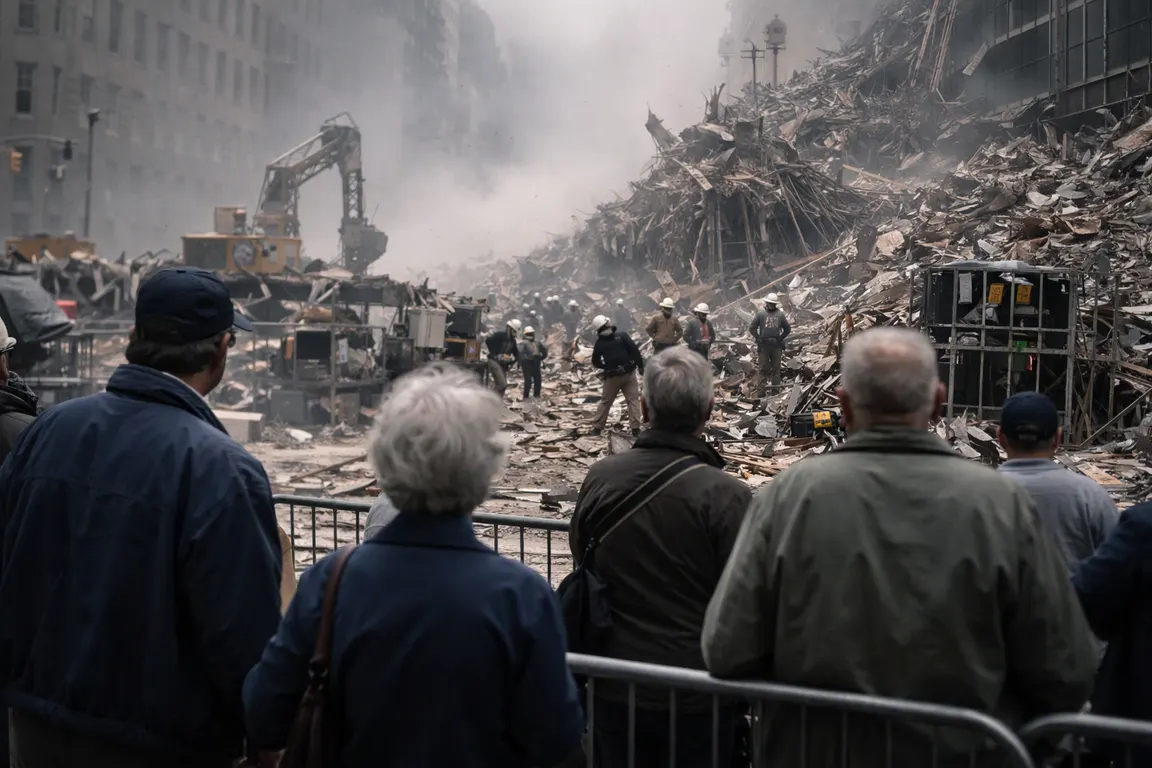
New York City has posted more than 170,000 pages of internal reports that document how city, state and federal agencies downplayed the presence of asbestos, benzene and other carcinogens in Lower Manhattan after the September 11 attacks. The release of this 9/11 toxic cloud data comes as the nation marks the 25th anniversary of the attacks and follows a court order stemming from a lawsuit by advocacy group 9/11 Health Watch.
The documents include a November 2001 audit submitted to the EPA that recorded a sharp spike in benzene near Ground Zero and a measurable rise in asbestos levels at the Fresh Kills landfill, which later became a primary disposal site for debris.
Internal memoranda from the Giuliani administration in 2001 and the Bloomberg administration through 2013 reveal discussions of potential legal liability and health risks posed by the dust cloud. Emails and meeting notes show city officials were aware of contamination weeks after the attacks but continued to publicly assert that the air was safe. EPA Administrator Christine Todd Whitman made similar statements in the weeks after the disaster and later apologized for the misrepresentation.
City engineers warned that asbestos concentrations at Fresh Kills were climbing as debris accumulated, yet the information was not shared with the public, Congress or the City Council. Survivors such as Denise Verzi, whose husband, a firefighter, was diagnosed with lymphoma, have criticized the lack of transparency, saying families were denied vital health guidance.
While the newly released files confirm officials possessed concrete data on toxic levels, they do not disclose how many lawsuits have been filed since the documents became public. The records, however, provide a factual basis for pending claims and could pressure the city to allocate additional resources for health monitoring, cleanup of contaminated sites and stricter occupational‑safety standards for emergency responders.
The broader impact reaches beyond individual lawsuits. Public confidence in municipal and federal health communication is at stake, and lawmakers have called for an independent review of the decision‑making process that led to the “air safe” pronouncements. City agencies are drafting revised guidelines for rapid toxic‑hazard assessment after large‑scale disasters.
State health officials have scheduled a series of hearings to examine the newly available evidence and consider further remediation measures, including soil testing in western Brooklyn and expanded medical support for affected workers. As the city commemorates the attacks, the document release underscores an unfinished chapter of the 9/11 legacy: a toxic cloud that was known, yet concealed.