

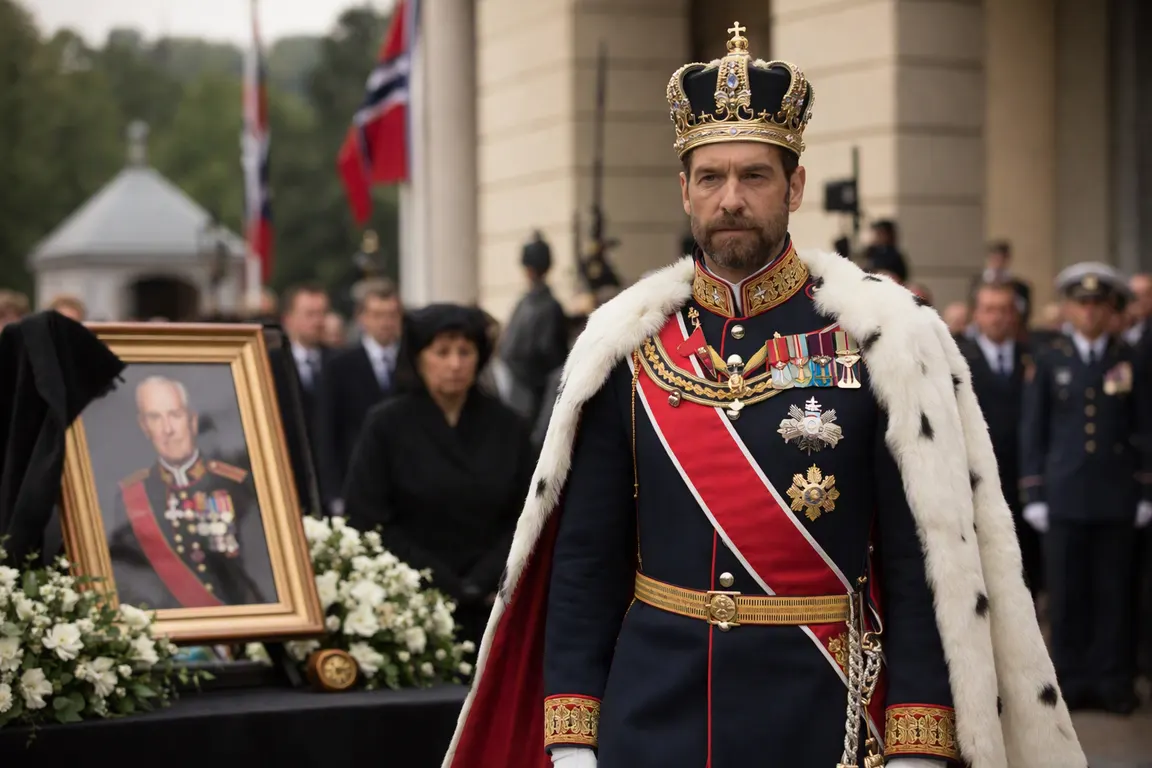
Norway king succession began on Monday when 89‑year‑old King Harald V died after a 35‑year reign, automatically elevating Crown Prince Haakon to King Haakon VIII under the Norwegian constitution.
Harald V had ascended the throne in 1991 and was known for a low‑key style, his 1968 marriage to schoolteacher Sonja, and occasional advocacy on social issues such as LGBTQ+ rights. His role was largely ceremonial, with executive power remaining in the hands of elected officials.
The new monarch inherits a modest but visible institution. The royal household’s budget, funded by taxpayers, will stay unchanged, and public scrutiny of its cost‑effectiveness is expected to rise. Tourism officials note that the monarchy adds cultural appeal, making a smooth transition important for Norway’s brand.
Crown Prince Haakon, a former competitive surfer and guitarist, brings a contemporary public persona. Observers suggest his interests could refresh the royal brand and attract younger audiences. The Independent reports Haakon’s immediate priority is to strengthen public support for the monarchy through increased visibility, modern communications, and continued engagement with social causes.
Government ministries are already coordinating the ceremonial protocols that accompany a change of head of state. Flag‑raising, diplomatic notifications and official statements are being prepared to ensure continuity. A formal accession ceremony will be scheduled by the government in consultation with the royal court, though no policy agenda has been announced and day‑to‑day governance is not expected to change.
The succession highlights Norway’s constitutional stability. By automatically transferring power to the heir, the system reassures both domestic and international partners that the nation’s political framework remains intact.
As Norway mourns Harald V and prepares for King Haakon VIII’s accession, the nation faces a test of public confidence in the monarchy. The next steps include setting a date for the accession ceremony, outlining the new king’s public agenda and monitoring public sentiment. Whether Haakon can translate his personal passions into broader support will shape the institution’s role in Norway’s future.