

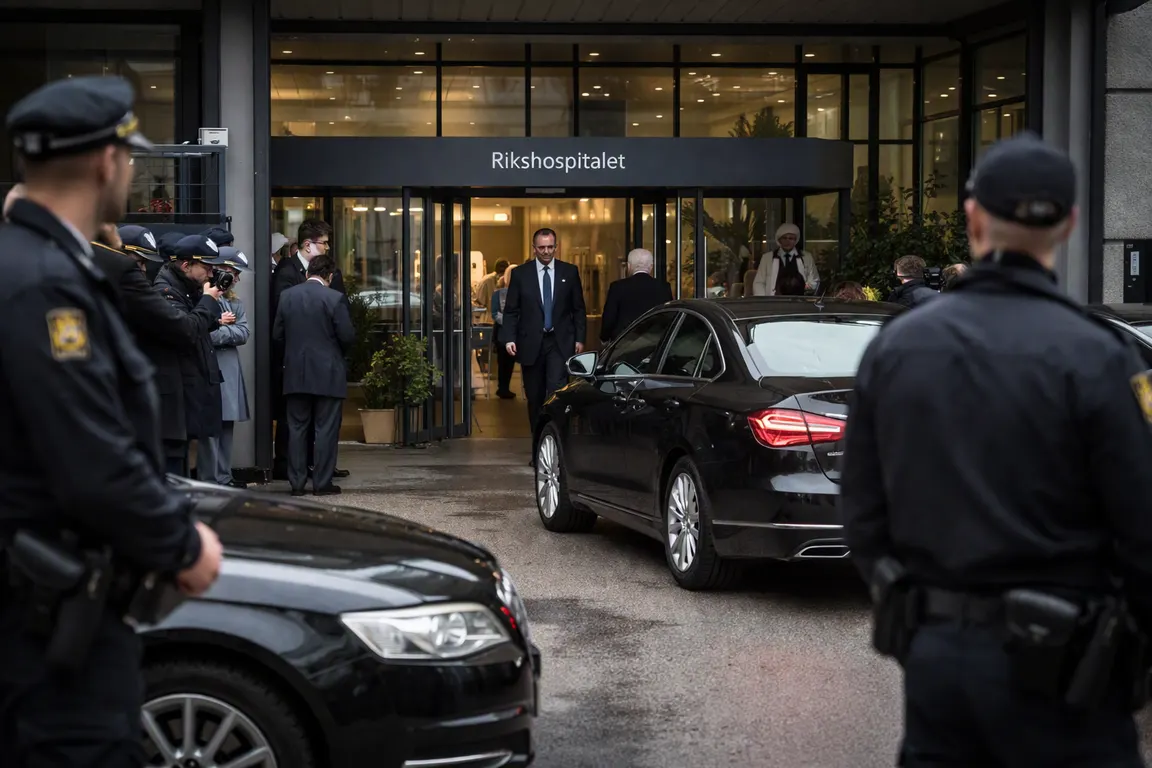
King Harald V, Norway’s 89‑year‑old monarch, has been in intensive care since August 17 after being admitted for a rare blood‑related illness, officials said. The BBC confirmed his hospital stay has now exceeded a week, and The Independent described the condition as "very serious" while noting that members of the royal family have been at his bedside. All royal engagements scheduled for the coming weeks have been cancelled.
The king’s health crisis matters because Norway’s constitution assigns the monarch a purely ceremonial role that underpins key state functions. He normally opens the Storting each year, receives foreign dignitaries and presides over state visits. With Harald incapacitated, officials must decide how to handle these duties and whether to adjust protocols for the parliamentary opening slated for early October.
Norway’s constitution provides a clear line of succession but does not automatically transfer day‑to‑day ceremonial responsibilities when a monarch is temporarily unable to act. Crown Prince Haakon is the heir apparent, yet the royal household has not announced any formal delegation of the king’s duties. In practice, senior officials and the Office of the Prime Minister would likely assume responsibility for signing documents and attending events, but the lack of an official statement leaves the exact process ambiguous.
The cancellation of royal events has already had tangible effects. Receptions for foreign heads of state, a planned visit by a European delegation, and a public ceremony marking the anniversary of Norway’s NATO membership have been called off. Tourism operators that counted on the influx of visitors warn of lost revenue, and local businesses that normally benefit from heightened media attention anticipate a shortfall.
Beyond logistics, the situation tests Norway’s public‑ceremonial tradition. The king’s presence is a symbol of national unity, and his prolonged absence could influence public sentiment. Polls earlier this year showed a majority of Norwegians view the monarchy as an important cultural institution, so uncertainty may affect civic morale as the country approaches the autumn holiday season, when public gatherings are common.
Legal scholars note that the constitution’s provisions for an incapacitated monarch are deliberately vague, relying on a council of ministers to advise the Crown Prince and, if necessary, to convene a special session of the Storting to formalise a temporary transfer of duties. Such a move would be unprecedented in modern Norway, where monarchs have traditionally remained active into their nineties.
For now, the royal family has refrained from offering a medical prognosis, and hospitals have not disclosed details beyond the description of a “rare blood condition,” a phrase used by the BBC that contrasts with the Independent’s reference to a “blood infection.” The differing terminology reflects the limited information available to the public.
Government agencies are reviewing contingency plans for the opening of parliament and other state ceremonies, while Crown Prince Haakon remains on standby to assume any duties the king cannot perform. The next public update from the royal household, expected within the coming days, will likely shape how quickly Norway can restore its ceremonial calendar and reassure both citizens and international partners that the constitutional framework remains functional despite the monarch’s illness.