

Nor'easter Power Outage Knocks Out Millions, Causes Fatality
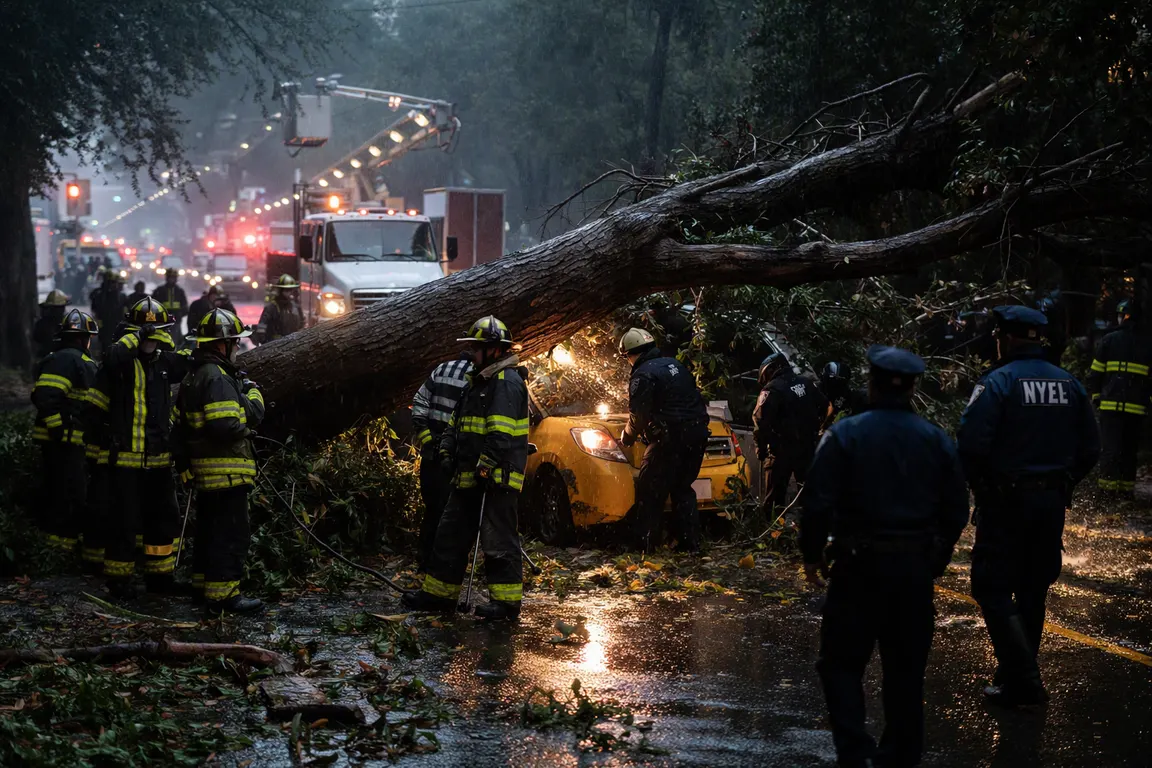
A powerful nor'easter power outage that made landfall early Thursday has left millions without electricity, grounded flights at major airports and caused a fatal tree collapse in New York City. Sustained winds exceed 60 mph, waves surge along the coast and torrential rain is already flooding low‑lying neighborhoods.
State officials from Maine to Virginia have declared emergencies and federal weather agencies have issued severe alerts. The loss of power, transportation paralysis and the death create an immediate public‑safety crisis for residents, commuters and businesses.
High‑speed winds have toppled power lines across New England and the Mid‑Atlantic, prompting utility crews to work around the clock. Early estimates put the outage count at more than three million customers, a figure that could rise as the storm pushes inland. In New York, a 70‑year‑old man died when a large oak fell onto his apartment balcony, the first confirmed fatality linked to the storm, according to NBC News.
Air travel is severely disrupted. Boston Logan, New York’s LaGuardia and Newark Liberty have canceled hundreds of flights, stranding thousands of passengers and creating long lines for rebooking and refunds. The Department of Transportation says cancellations are expected to continue through Friday as the storm’s outer bands linger.
Coastal flooding is evident from Bar Harbor, Maine, to Virginia Beach, Virginia. Tidal surges combined with heavy rain have inundated streets, forced road closures and prompted local officials to open emergency shelters. The American Red Cross has activated dozens of sites, and FEMA has set up a dedicated hotline (1‑800‑621‑3362) for residents seeking assistance.
Emergency declarations give governors authority to mobilize National Guard units, request additional federal resources and waive certain regulatory requirements for utility repairs. Maine, New Hampshire, Massachusetts, Rhode Island, Connecticut, New York, New Jersey, Delaware, Maryland and Virginia have all activated emergency operations centers, according to the BBC.
Public‑safety officials are urging residents to secure loose outdoor items, avoid travel on flooded roads and prepare emergency kits with flashlights, batteries and bottled water. Power‑outage shelters are stocked with generators, and many municipalities are offering free cell‑phone charging stations. Churches and community centers are providing warming areas for those without heat.
Economically, the storm threatens millions of dollars in lost revenue for retailers and restaurants that rely on consistent power and foot traffic. Utilities brace for a surge in repair calls, straining crews already stretched thin by earlier winter weather events.
Forecasters expect the nor'easter to move inland by Friday, but warn that additional low‑pressure systems could follow, extending hazardous conditions. Residents are advised to stay tuned to local alerts and follow guidance from state emergency‑management agencies.
The region now faces the pressing question of how quickly power can be restored and whether the cumulative strain on infrastructure will spur longer‑term investments in grid resilience.