

Nobel Peace Prize Honors Navi Pillay, Boosting
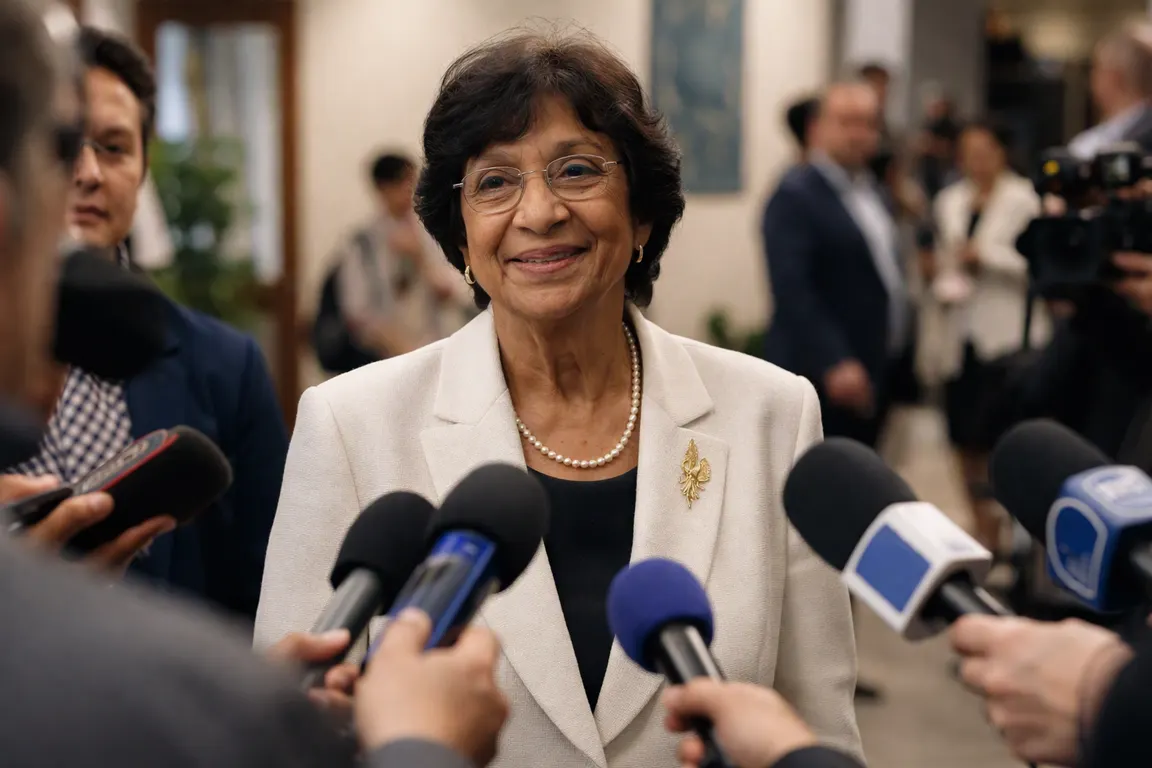
Former UN High Commissioner for Human Rights and International Court of Justice judge Navanethem “Navi” Pillay was named the 2026 Nobel Peace Prize laureate on Friday. Nobel Committee chair Inger‑Lise Skarstein said Pillay was "instrumental in ensuring war crimes, crimes against humanity and genocide are prosecuted" and praised her work strengthening the institutions of international law. The award, dubbed the Nobel Peace Prize Pillay honor, arrives as the world grapples with multiple armed conflicts and growing calls for accountability.
By honoring a jurist whose career has centered on building the legal architecture for war‑crimes prosecution, the prize may enhance the credibility of the International Criminal Court (ICC) and the International Court of Justice (ICJ). Greater visibility could translate into political pressure on member states to cooperate with investigations and allocate resources for complex prosecutions.
Pillay led the UN human‑rights office from 2008 to 2014, overseeing investigations in Darfur, Myanmar and the Democratic Republic of Congo. She served as an ICJ judge from 2015 until 2024. The Nobel Committee cited her "work in strengthening the institutions of international law" as the primary reason for the award. No funding announcements accompanied the prize, but the recognition aligns with ongoing debates in the UN General Assembly and the ICC Assembly of States Parties about expanding jurisdiction and improving enforcement mechanisms.
Media outlets—including The Guardian, The Wall Street Journal and Al Jazeera—reported the decision without indicating immediate policy shifts. Coverage varied in how Pillay’s professional identity was described, with some outlets calling her a "lawyer" and others a "judge" or "human‑rights chief," reflecting differing editorial angles.
For victims of war crimes, the prize offers symbolic validation. Human Rights Watch and Amnesty International said they will use the heightened attention to press governments for stronger cooperation with ICC investigations in Ukraine, the Tigray region and Myanmar. Law schools with international‑law programs expect a surge in enrollment and research funding, potentially expanding the pool of expertise available to tribunals.
State parties to the ICC may feel increased diplomatic pressure to meet obligations under the Rome Statute, especially regarding the arrest and surrender of indicted individuals. The ICJ could see renewed interest from nations seeking advisory opinions on alleged breaches of the Genocide Convention. However, without any announced budgetary increase or legislative proposal, the concrete impact of the Nobel award remains uncertain.
The Nobel ceremony later this year in Stockholm will be the next milestone, where Pillay is expected to receive the medal. Observers will watch for statements from the Nobel Committee or ICC and ICJ officials that hint at concrete support measures. Until such signals emerge, the prize stands as a powerful endorsement of the legal frameworks that aim to hold the world’s worst perpetrators accountable, while the path to stronger enforcement remains to be charted.