

Nobel Peace Prize awarded to former UN rights chief Navi
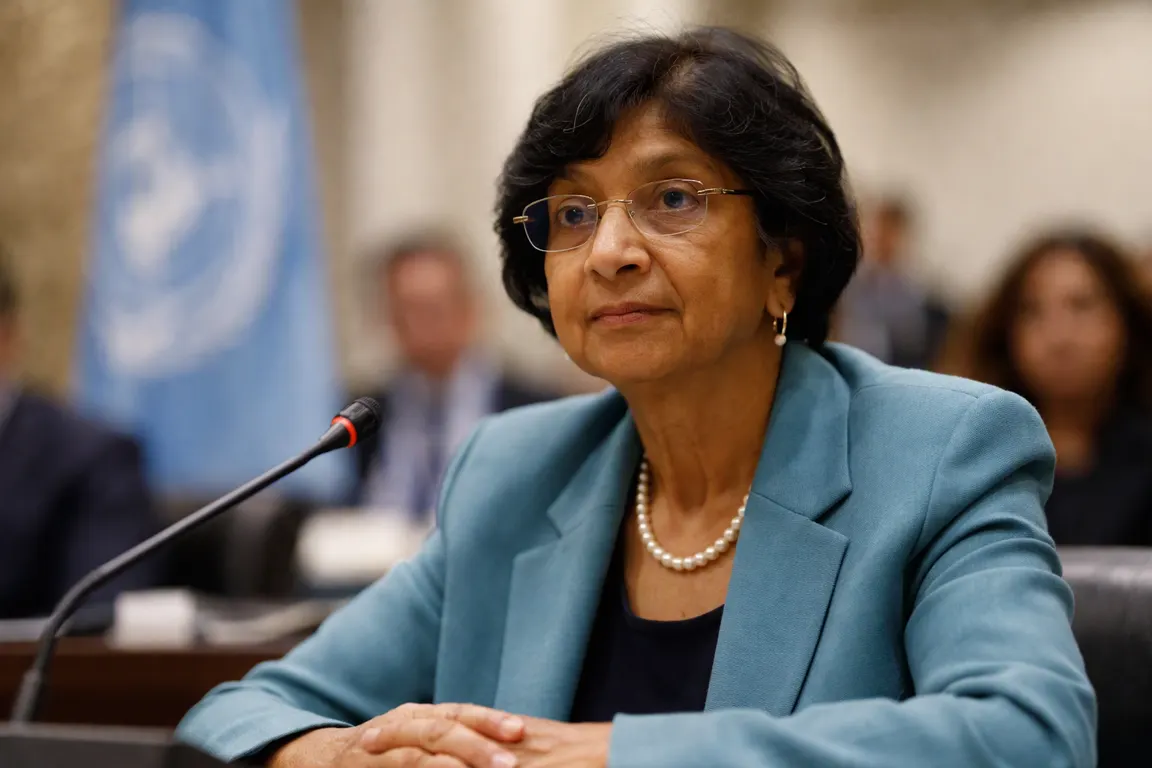
The Norwegian Nobel Committee announced Tuesday that former UN High Commissioner for Human Rights Navanethem “Navi” Pillay will receive the 2026 Nobel Peace Prize. The award comes as fighting between Israel and Hamas intensifies and the UN’s human‑rights system faces heightened scrutiny.
Pillay served as UN High Commissioner from 2008 to 2014. During that time she helped launch the first UN Human Rights Council special procedures on gender‑based violence and advocated for refugees and minority groups. Since leaving office, she has repeatedly warned that Israel’s actions in Gaza could amount to genocide, comments that have drawn sharp criticism from Israeli officials and some media outlets.
The Committee’s brief statement praised Pillay’s “work to promote peace” but gave no detail on which achievements justified the prize. Analysts say the timing is significant because the honor could influence diplomatic postures, donor decisions and public confidence in international human‑rights mechanisms.
Human‑rights organizations, including Amnesty International and Human Rights Watch, welcomed the award and highlighted Pillay’s long‑term commitment to universal rights. Israel’s foreign ministry condemned the decision as politicising the Nobel Peace Prize, and pro‑Israel groups have launched campaigns framing the prize as endorsing anti‑Israel sentiment. Several donor governments said they will monitor any impact on UN funding but have not announced policy changes.
No UN agency has reported operational shifts following the announcement. The immediate effect is likely to be seen in diplomatic discourse and future budget negotiations rather than in concrete policy reforms. Observers note that the prize may amplify Pillay’s voice in UN debates on alleged violations in Gaza, potentially shaping how the agency addresses the conflict.
Whether the Nobel Peace Prize will alter the trajectory of the Israel‑Palestine conflict remains uncertain. What is clear is that the award has reignited debate over the role of international accolades in contested geopolitical narratives and highlighted the delicate balance between human‑rights advocacy and political perception.