

Nobel Peace Prize Data Sharing Allegations Raise UN Concerns
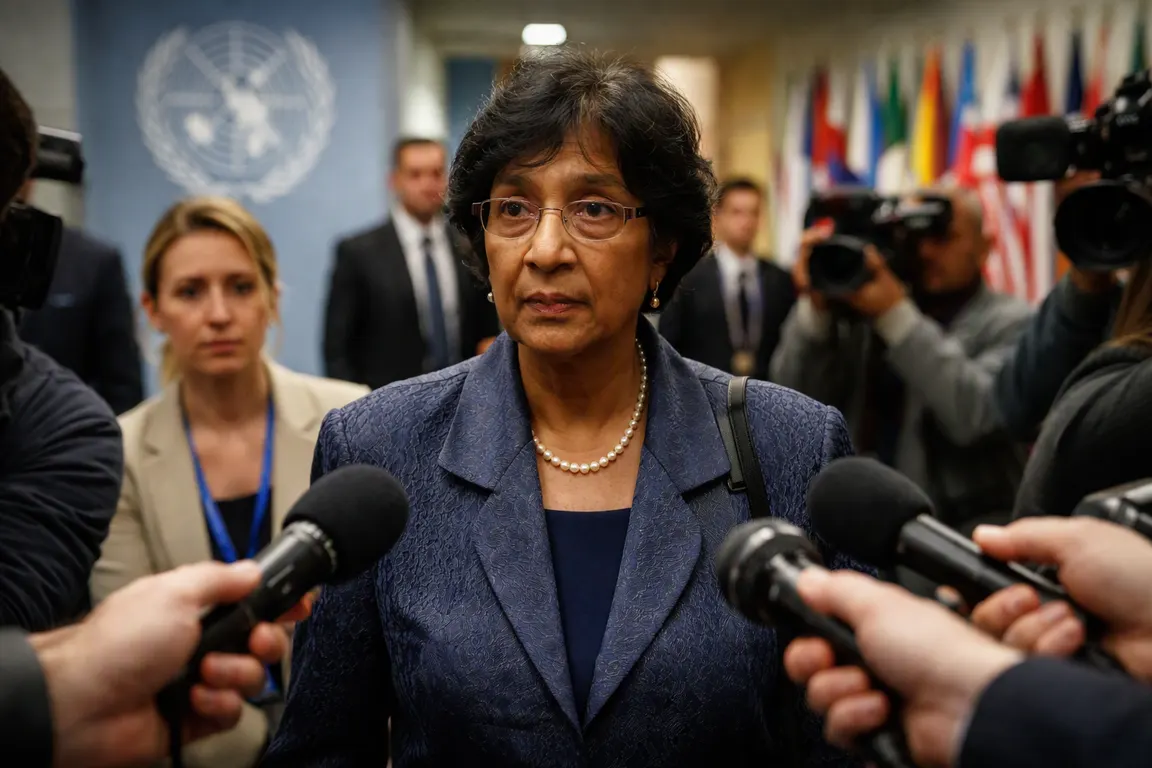
The Norwegian Nobel Committee announced former UN High Commissioner for Human Rights Navi Pillay as the 2026 Nobel Peace Prize laureate on Friday, sparking immediate accusations that her office passed personal data on Uyghur activists to Chinese authorities. The Nobel Peace Prize data sharing allegations have quickly become a focal point of the story.
The award, cited for Pillay’s work on gender equality, climate‑related rights and combating impunity, arrives as the Xinjiang situation remains under intense international scrutiny. Within days of the announcement, Dolkun Isa, former president of the World Uyghur Congress, claimed the UN office under Pillay’s leadership transmitted his name and those of other activists to Beijing without consent. A second source, identified as Emma Reilly, alleged that details of more than 50 Uyghur dissidents were shared with Chinese officials.
Neither the Nobel Committee nor Pillay has responded publicly. Independent verification of the data‑transfer claims has not been presented, and Chinese officials dismissed the allegations as unfounded, reiterating their denial of genocide or mass repression in Xinjiang.
UN Watch executive director Hillel Neuer urged the Nobel Committee to explain the situation, warning that unaddressed claims could damage the prize’s credibility. The controversy has already prompted partisan commentary. Opinion pieces in outlets such as the Wall Street Journal and RealClearPolitics have framed the award as undeserved, while a ZeroHedge report reproduced the allegations without independent corroboration.
If the accusations prove true, the repercussions for the named activists could be severe, ranging from intensified surveillance to detention, given China’s documented use of personal data to target dissenters. Even absent confirmation, the perception that a UN office may have shared such information erodes trust in the agency’s ability to protect vulnerable populations.
The episode also raises questions about the Nobel Committee’s vetting process. Past awards to figures and organizations involved in contentious conflicts have drawn criticism over the prize’s political dimensions, and this latest controversy may intensify calls for greater transparency in the selection process.
As the ceremony approaches, the Nobel Committee faces mounting pressure for clarification, while activists and watchdog groups await concrete answers. The unresolved status of the data‑sharing allegations leaves open whether additional investigative mechanisms will be invoked and what impact, if any, the controversy will have on the ceremony’s reception and future assessments of UN human‑rights leadership.