

Netanyahu UN speech amid Gaza war and Israeli election
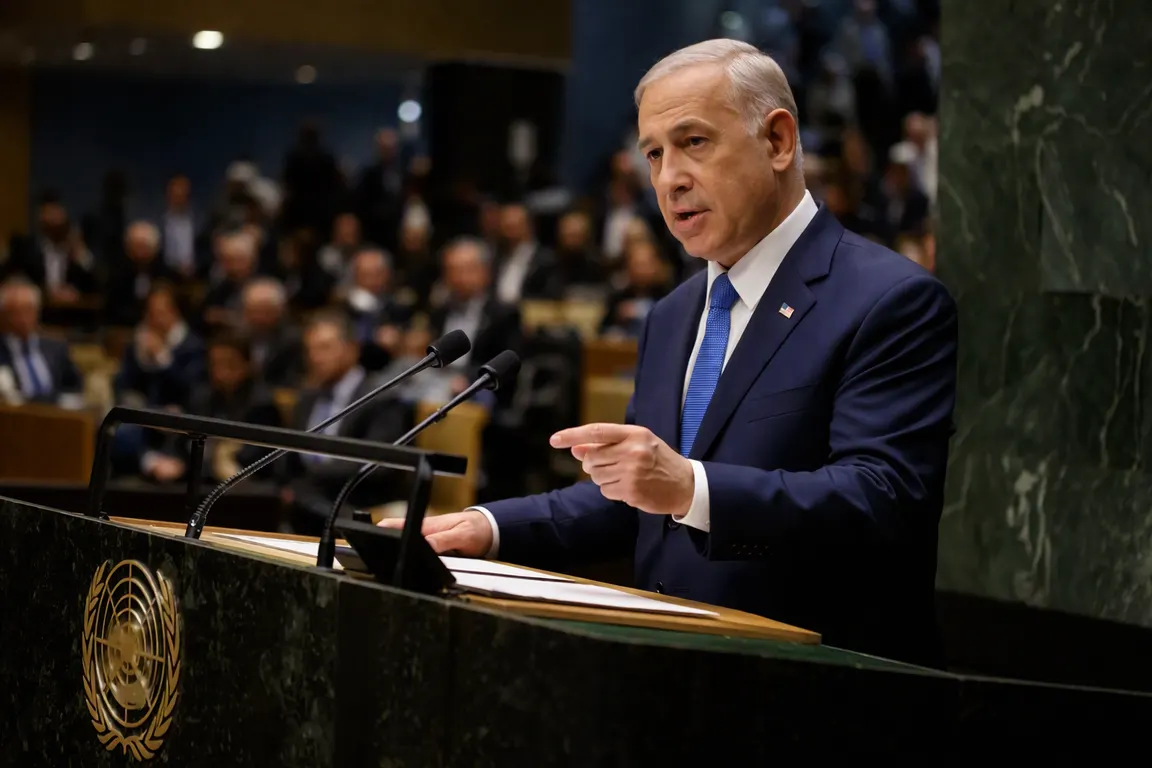
Israeli Prime Minister Benjamin Netanyahu arrived in New York Thursday and addressed the United Nations General Assembly, delivering a Netanyahu UN speech that came as Israel fights on three fronts – a ground and air campaign in Gaza, escalating clashes along the Lebanese border, and strained ties with Iran – while domestic polls show his re‑election bid facing its toughest test.
Netanyahu used the UN podium to frame Israel’s security narrative for an international audience and for voters who will decide the country’s leadership in the September election. He reiterated Israel’s right to self‑defence, rejected calls for an immediate cease‑fire in Gaza and warned that any concession would embolden hostile forces.
The appearance drew attention from several media outlets. World highlighted the timing with the upcoming vote, Al Jazeera noted the logistical coordination of the trip, and The Guardian expected a defiant tone that emphasizes Israel’s “achievements” despite the conflict. All three agreed that Netanyahu is confronting growing political isolation at home and abroad.
In Gaza, Israeli forces continue air strikes and limited ground operations that have drawn condemnation from human‑rights groups. On the northern frontier, skirmishes with Hezbollah‑aligned militias have intensified, and diplomatic channels with Tehran remain strained after recent missile alerts. The three‑front security environment forms the backdrop for Netanyahu’s remarks.
Protesters gathered outside the UN chamber to condemn civilian casualties in Gaza, the humanitarian crisis in the West Bank and what they described as violations of international law. The Guardian linked these demonstrations to a broader wave of global protests targeting Israel’s war conduct. Israeli officials warned that the protests could disrupt the proceedings, but no security incidents were reported.
While the speech offered no new policy proposals, analysts say the hard‑line rhetoric could shape the election campaign. Voters who prioritize security may respond positively to a strong defence narrative, whereas segments of the electorate concerned with diplomatic isolation and humanitarian issues may view the address as evidence of an entrenched approach.
International partners, including the United States and the European Union, will watch for cues that could affect aid packages or sanctions decisions. After Netanyahu finished, the UN is expected to receive statements from member states and possibly draft resolutions addressing the conflict.
Netanyahu concluded by reaffirming Israel’s commitment to combat terrorism and to pursue “peace through strength.” How the diplomatic response intersects with Israel’s electoral dynamics remains uncertain as the country moves toward a decisive vote later this year.