

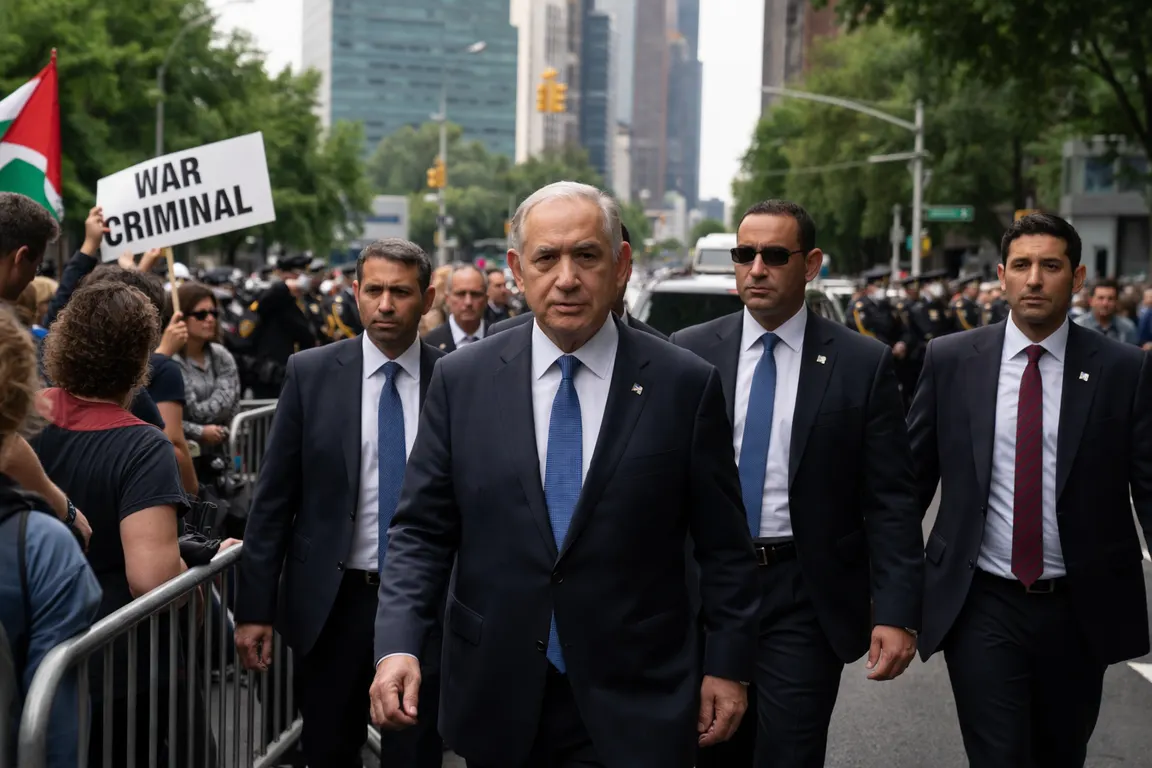
Israeli Prime Minister Benjamin Netanyahu's planned visit to New York City in September for the UN General Assembly has sparked diplomatic tension. The visit has raised questions about international law, diplomatic immunity, and the ability of world leaders to participate in global gatherings without fear of arrest. The International Criminal Court has issued war crime charges against Netanyahu, which he has denounced as 'bogus'. New York City Mayor Zohran Mamdani has encouraged the federal government to execute an arrest warrant if Netanyahu visits New York City.
The situation has created uncertainty over whether the federal government will take action on the arrest warrant. The specific details of the ICC charges and the evidence against Netanyahu are not clear, adding to the tension. The UN General Assembly is scheduled to take place in September, and Netanyahu has accused Mamdani of 'fomenting hate' over the call for arrest. The disagreement between Netanyahu and Mamdani has significant implications for global diplomacy and cooperation, particularly in the relationship between Israel and the United States, as well as the international community.
The calls for arrest may also affect the Jewish community in New York City, with some members expressing fear and concern. As the world prepares for the UN General Assembly, the question remains whether the federal government will take action on the arrest warrant, and what the implications will be for diplomatic immunity and global diplomacy. The ICC issued war crime charges against Netanyahu, followed by Mamdani's call for arrest, and then Netanyahu's denial of the charges and accusation of 'fomenting hate'. The chronology of events has led to the current diplomatic showdown, with the outcome still uncertain.
The potential consequences for global diplomacy and cooperation are significant, and the situation will be closely watched in the coming weeks. The federal government's decision on the arrest warrant will be a key factor in determining the outcome, and the international community will be waiting to see how the situation unfolds. The visit has raised important questions about the balance between international law and diplomatic immunity, and how these concepts will be applied in this situation. The answer to these questions will have far-reaching implications for global diplomacy and cooperation, and will be closely watched by leaders and citizens around the world.
The situation is complex, with multiple factors at play. The ICC charges against Netanyahu are a significant factor, as is the call for arrest by Mayor Mamdani. The response of the federal government will be critical in determining the outcome, and will have significant implications for the relationship between the United States and Israel, as well as the international community. The visit has also raised questions about the role of the UN General Assembly in promoting global diplomacy and cooperation, and how this event will impact the assembly's ability to achieve its goals.
In the coming weeks, the situation will continue to unfold, with the federal government's decision on the arrest warrant being a key factor in determining the outcome. The international community will be watching closely, as the implications of this situation are far-reaching and significant. The balance between international law and diplomatic immunity will be tested, and the outcome will have important implications for global diplomacy and cooperation. The visit of Netanyahu to New York City has sparked a diplomatic showdown, and the world will be watching to see how the situation unfolds.